Understanding Wall-Hung and One-Piece Toilets
Selecting the right plumbing fixtures is pivotal when building or renovating a modern bathroom. In the debate of a wall hung vs one piece toilet, both designs represent modern upgrades over traditional two-piece models, offering distinct advantages in spatial efficiency, maintenance, and architectural aesthetics.
Wall-Hung vs. One-Piece Toilet: Key Differences
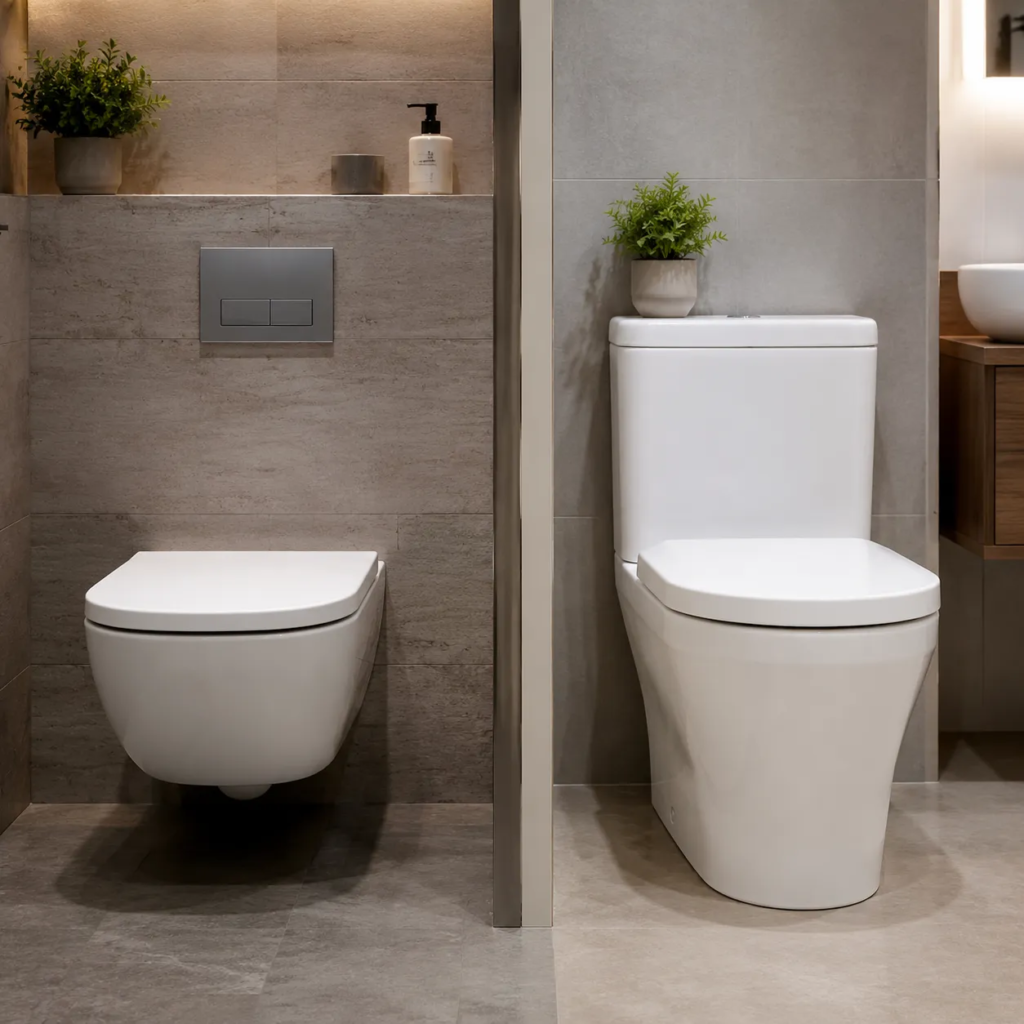
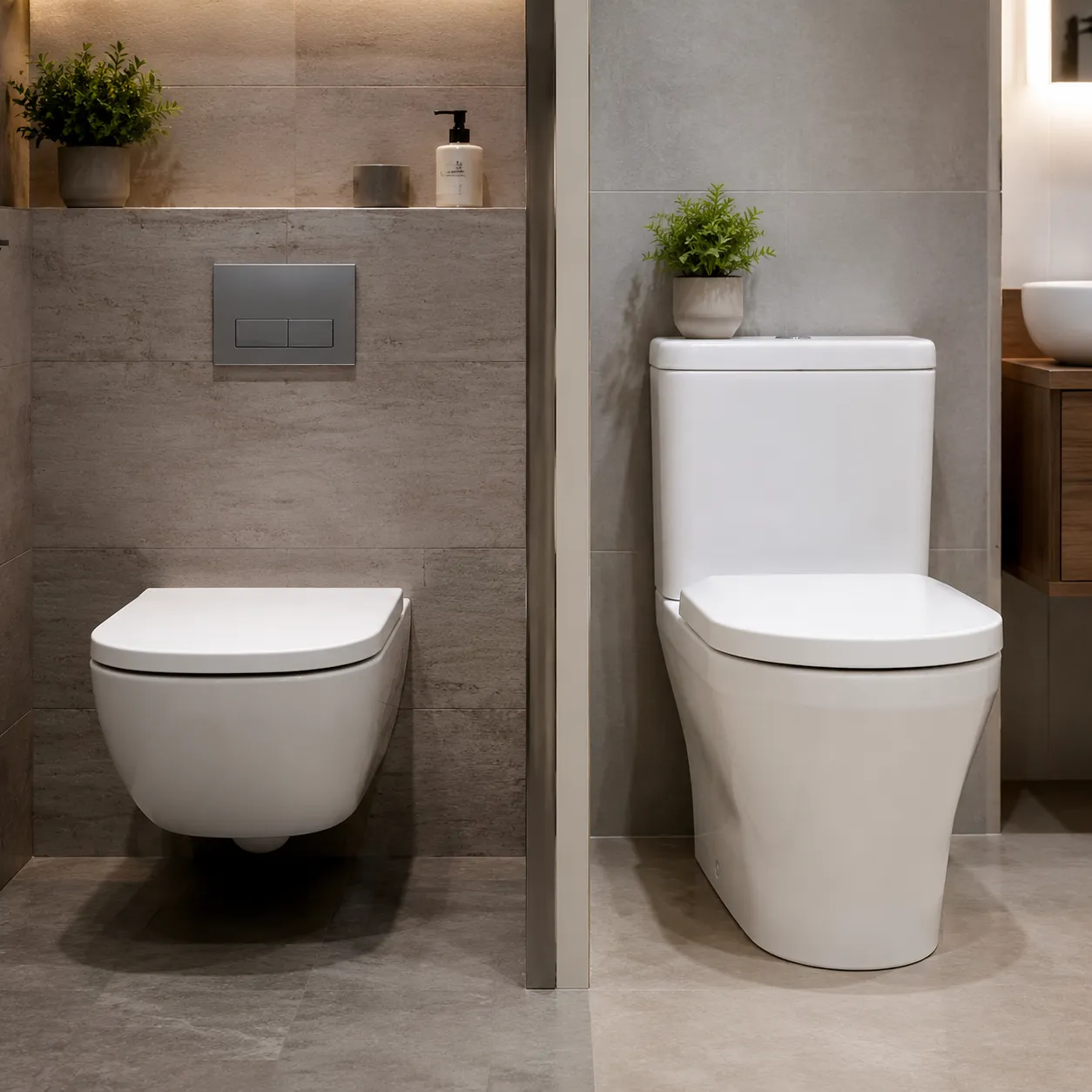
When I compare a wall hung vs one piece toilet for modern layout projects, the choice comes down to balancing aesthetic preference, spatial efficiency, and functional utility.
Design and Aesthetics
- Wall-Hung: Features a floating bowl mounted directly to the wall, concealing the water tank inside the wall studs framing for a minimalist, ultra-modern visual profile.
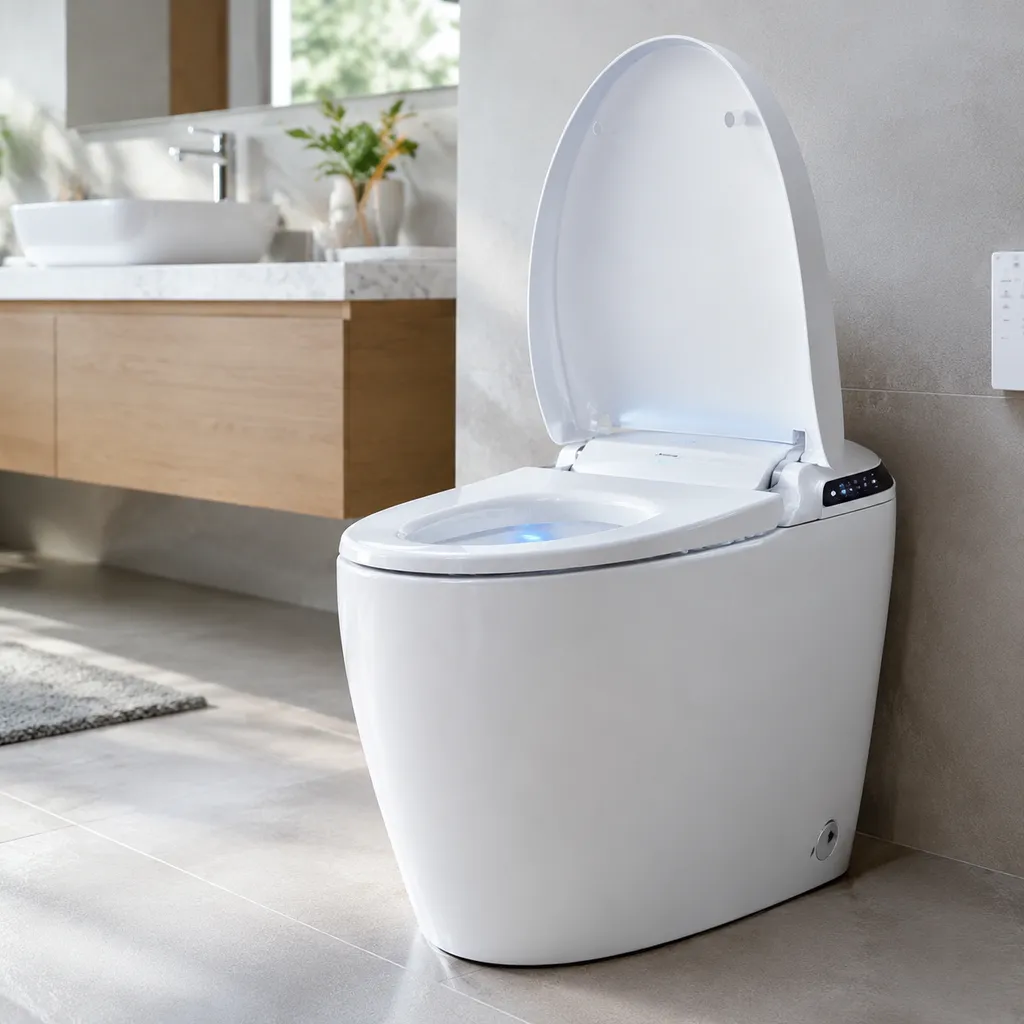
- One-Piece: Merges the tank and bowl into a single, seamless ceramic molding that offers a solid, upscale appearance fitting both traditional and contemporary styles.
Space Savings and Layout Efficiency
- Spatial Footprint: Wall-hung units save 10 to 12 inches of usable floor room by hiding the carrier tank behind drywall, creating an open feeling in compact bathrooms.
- Layout Flexibility: One-piece models maintain a standard projection depth, requiring standard clearance from the back wall forward.
| Key Feature | Wall-Hung Toilet | One-Piece Toilet |
|---|---|---|
| Room Impact | Saves up to 12 inches of floor depth | Standard full-depth footprint |
| Acoustics | Muffled flushing noise behind wall | Standard flushing volume |
| Flush Control | Wall plate with dual flush mechanism | Top dual-button or side trip lever |
| Floor Access | Completely open floor clearance below | Fixed base sealed directly to floor |
Cleaning and Maintenance
- Floor Maintenance: Wall-hung units keep the floor underneath 100% open, allowing quick mopping with zero corners or base crevices to scrub around.
- Exterior Wipe-Down: One-piece designs eliminate the dirt-collecting seam found between separate tanks and bowls, making outer surfaces fast to clean.
- Component Access: Wall-hung tanks are accessed directly through the flush actuator panel, allowing straightforward maintenance without disturbing surrounding plumbing fixtures.
Height Flexibility and Ergonomics
- Custom Height Settings: Wall-hung frame carriers adjust anywhere between 15 and 19 inches off the finish floor during installation to match custom ergonomic needs.
- Fixed Heights: One-piece models are manufactured at set dimensions—either standard height (15 inches) or ADA comfort height (17 to 19 inches)—offering reliable, fixed seating out of the box.
Installation and Cost Comparison
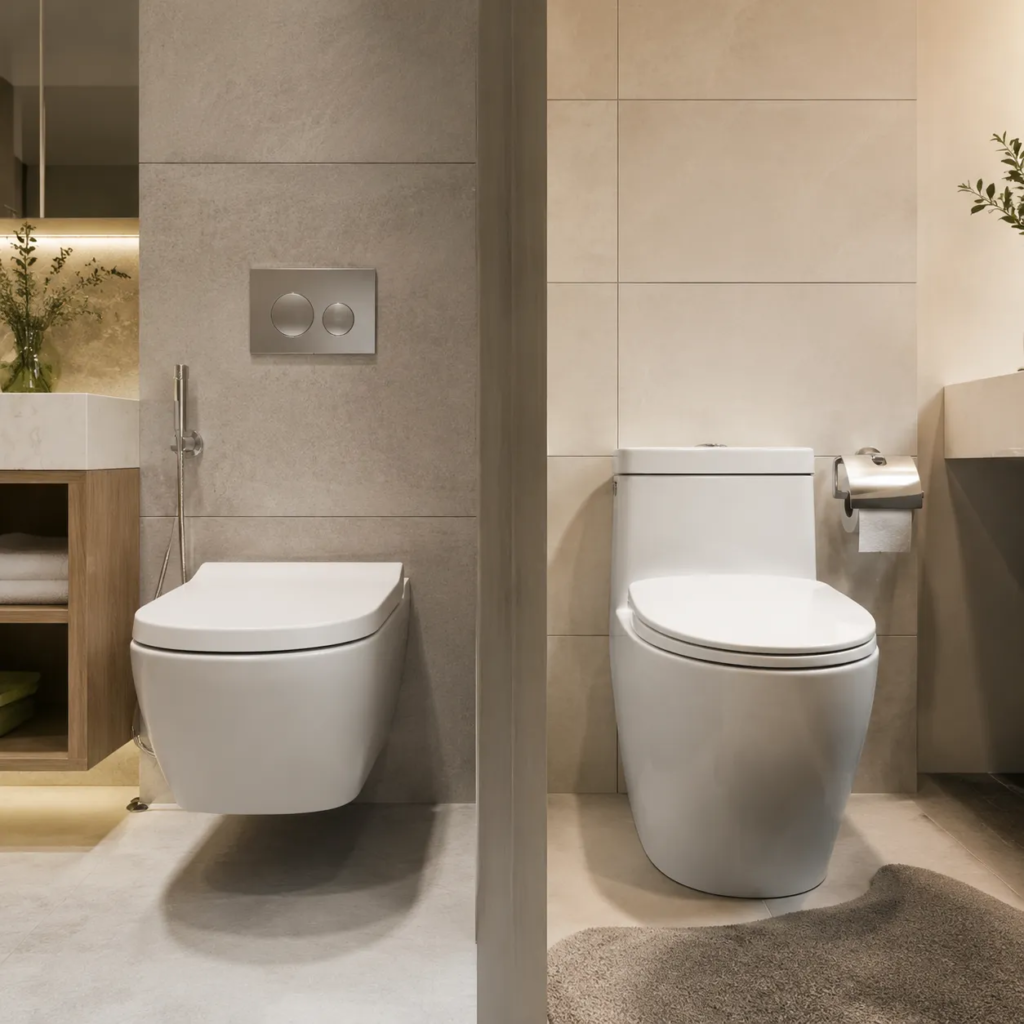
When comparing a wall hung vs one piece toilet, installation needs and total budget often dictate the final choice. Both options serve modern bathrooms well, but they require vastly different structural setups and upfront investments.
Plumbing and Installation Complexity
Installing a one-piece toilet follows standard plumbing procedures. It mounts directly onto the floor flange and connects to existing plumbing fixtures without major wall modifications. Most installers can swap a one-piece unit in a few hours.
A wall-hung toilet requires a far more complex setup:
- Wall Cavity Prep: The concealed tank and steel carrier frame mount directly inside the wall studs framing, requiring 2x6 stud depth or extra wall thickening.
- Drainage Rerouting: Waste lines must run through the wall structure rather than straight down into the subfloor.
- Drywall & Tile Finish: The wall must be opened, reinforced, sealed, and re-tiled after securing the carrier frame.
Upfront Costs vs. Long-Term Value
While a wall-hung toilet costs more upfront due to specialized carrier systems and structural labor, both designs deliver distinct long-term value.
| Feature | Wall-Hung Toilet | One-Piece Toilet |
|---|---|---|
| Average Fixture Cost | $500 – $1,200 (Bowl + In-Wall Carrier) | $250 – $700 (Complete Unit) |
| Installation Effort | High (Structural framing, tile work) | Low to Moderate (Standard floor mount) |
| Maintenance Access | Access panel behind the flush plate | Direct exterior access behind bowl |
| Long-Term Value | High spatial yield, built-in dual flush mechanism | Extreme durability, simplified future repairs |
While a one-piece model keeps initial labor low, a wall-hung setup maximizes floor clearance and elevates modern property value over time.
Pros and Cons Breakdown
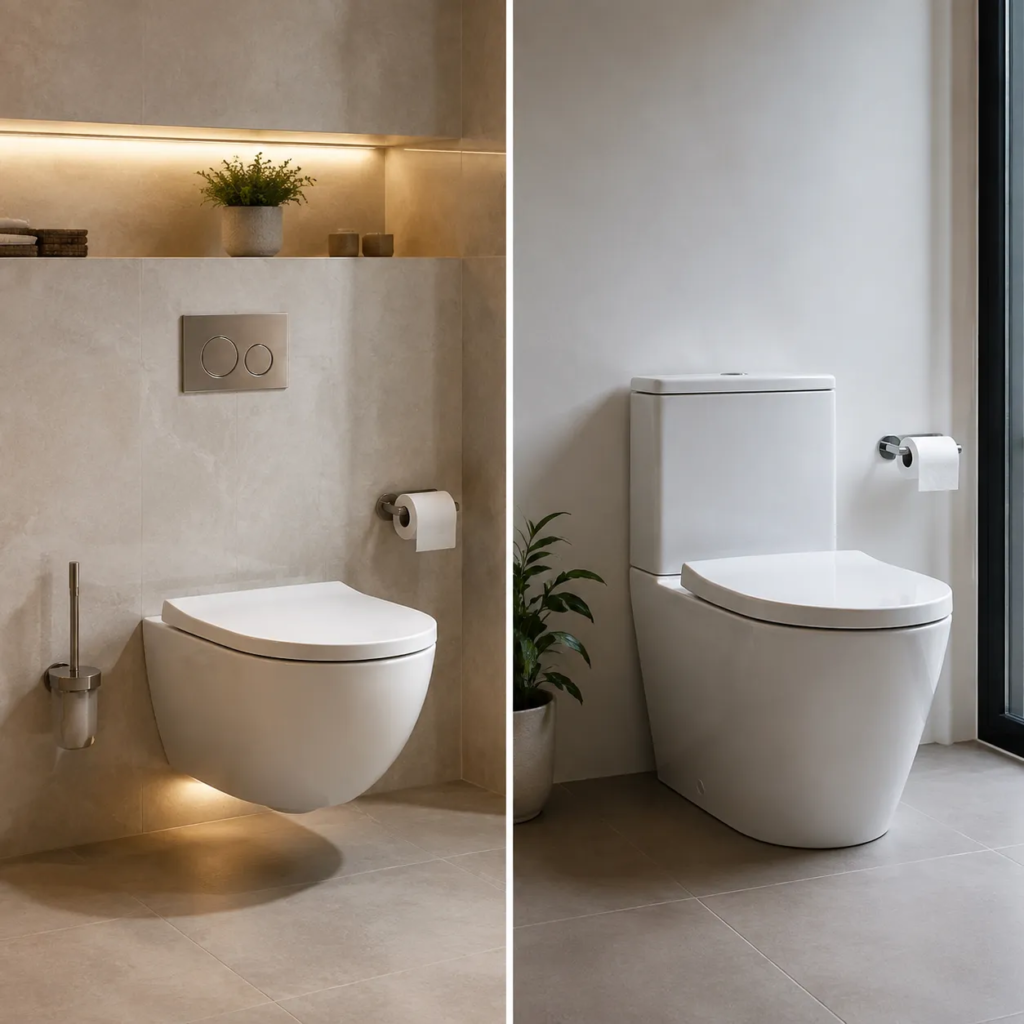
Evaluating a wall hung vs one piece toilet comes down to balancing installation complexity against long-term maintenance and layout goals. We broke down the essential trade-offs to help you decide which setup suits your renovation project best.
Pros and Cons of Wall-Hung Toilets
Pros: Sleek Aesthetic: Floating designs create a clean, elevated look that visually expands small bathroom spaces. Effortless Floor Cleaning: Without a porcelain base on the floor, sweeping and mopping underneath takes seconds. Customizable Height: Mounting height can be adjusted during installation to match your exact ergonomic preferences. Quieter Operation: Concealing the water tank behind the wall studs framing significantly dampens flushing noise.
Cons: Complex Installation: Demands opening drywall, adding structural support, and adjusting existing plumbing fixtures. Higher Upfront Cost: Specialized mounting carrier systems and concealed tanks increase overall material and labor expenses. In-Wall Servicing: Repairing hidden tank valves requires working through a small access plate behind the flush button.
Pros and Cons of One-Piece Toilets
Pros: Seamless Hygiene: Integrated single-mold ceramic builds eliminate the gap between tank and bowl where grime usually accumulates. Straightforward Setup: Installs directly onto standard floor flanges without structural wall modifications. Leak Minimization: Removing the traditional tank-to-bowl rubber gasket eliminates a common leak point. Water Efficiency: Easily incorporates a modern dual flush mechanism for reliable water savings.
Cons: Heavy Handling: Molded ceramic units are heavy and unwieldy to carry and align during placement. Larger Footprint: Occupies permanent floor space, which can crowd tighter bathroom layouts. Fixed Height: Restricted to standard factory seating dimensions once manufactured.
How to Choose the Right Toilet for Your Bathroom
Choosing between a wall hung vs one piece toilet comes down to your floor plan, budget, and renovation goals. I guide clients through this decision regularly, and matching the right plumbing fixtures to your specific wall structure guarantees a hassle-free installation and long-term durability.
Bathroom Size and Structural Considerations
Your bathroom layout and wall framing determine which fixture fits best without unnecessary plumbing work:
- Small Bathrooms & Powder Rooms: A wall-hung toilet saves up to 10 to 12 inches of floor space by housing the tank inside the wall.
- Wall Studs Framing Requirements: Wall-hung units require sturdy 2x4 or 2x6 wall studs framing to secure the structural in-wall carrier system.
- Drain Configuration: One-piece toilets connect directly to standard floor waste outlets, whereas wall-hung systems require waste pipes routed through the wall cavity.
Budget and Renovations Scope
Matching your toilet choice to your project scope keeps plumbing and labor expenses predictable.
| Selection Factor | Wall-Hung Toilet | One-Piece Toilet |
|---|---|---|
| Project Fit | Full bathroom rebuild / studs-out renovation | Quick swap / simple retrofit update |
| Initial Cost | Higher (Bowl + Carrier Frame + Wall Plate) | Lower to Moderate (Integrated single unit) |
| Installation Complexity | Requires wall drywall removal and framing | Drops directly onto existing floor flange |
| Maintenance Access | Behind-the-wall tank access via flush plate | Standard top lid access to flush valve |
Accessibility and Personal Style
Comfort, water savings, and overall visual balance round out your selection:
- Custom Height Positioning: Wall-hung bowls can be mounted at customized heights from 15 to 19 inches off the floor to meet specific physical accessibility needs.
- Seamless Aesthetics: One-piece models deliver a solid, gap-free look that eliminates grime traps between tank and bowl, while wall-hung units offer an ultra-modern floating appearance.
- Water & Sound Control: Select models equipped with an efficient dual flush mechanism to cut water usage while reducing overall flushing noise.