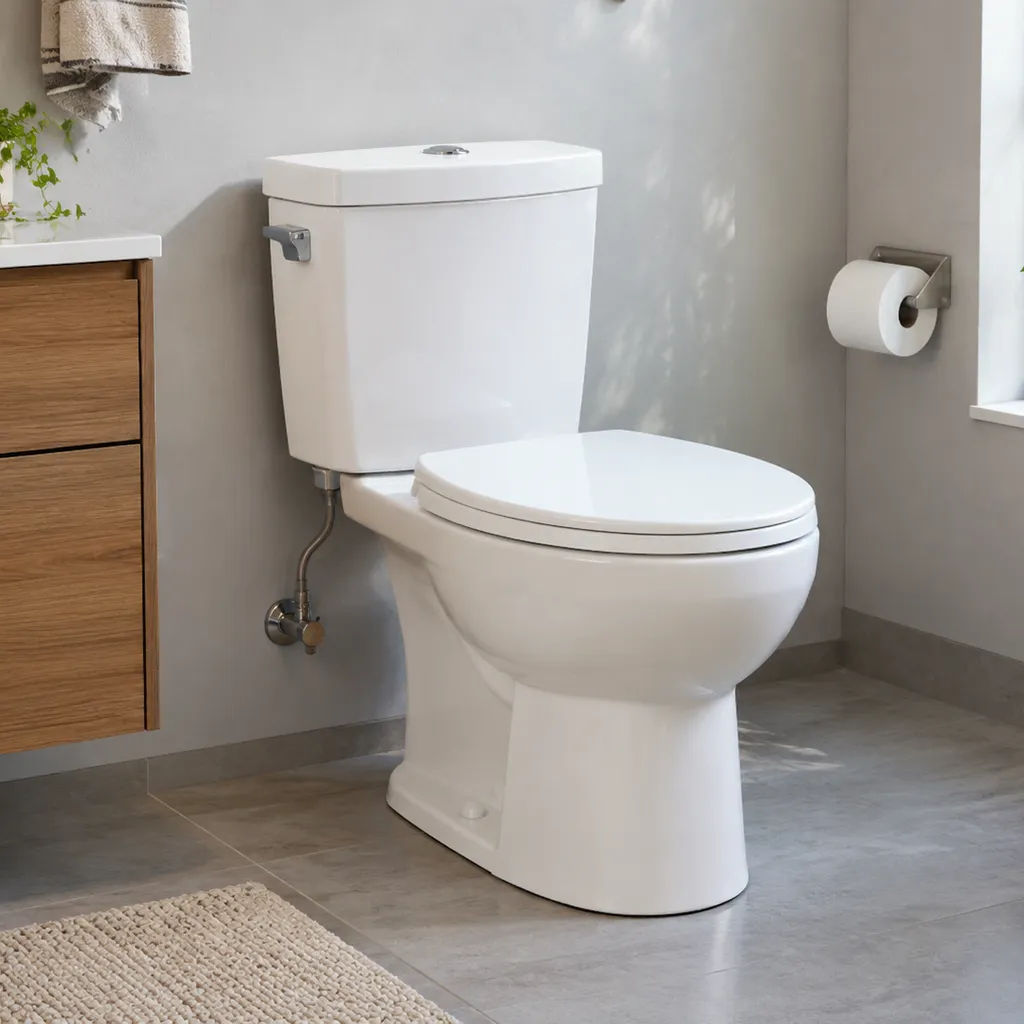
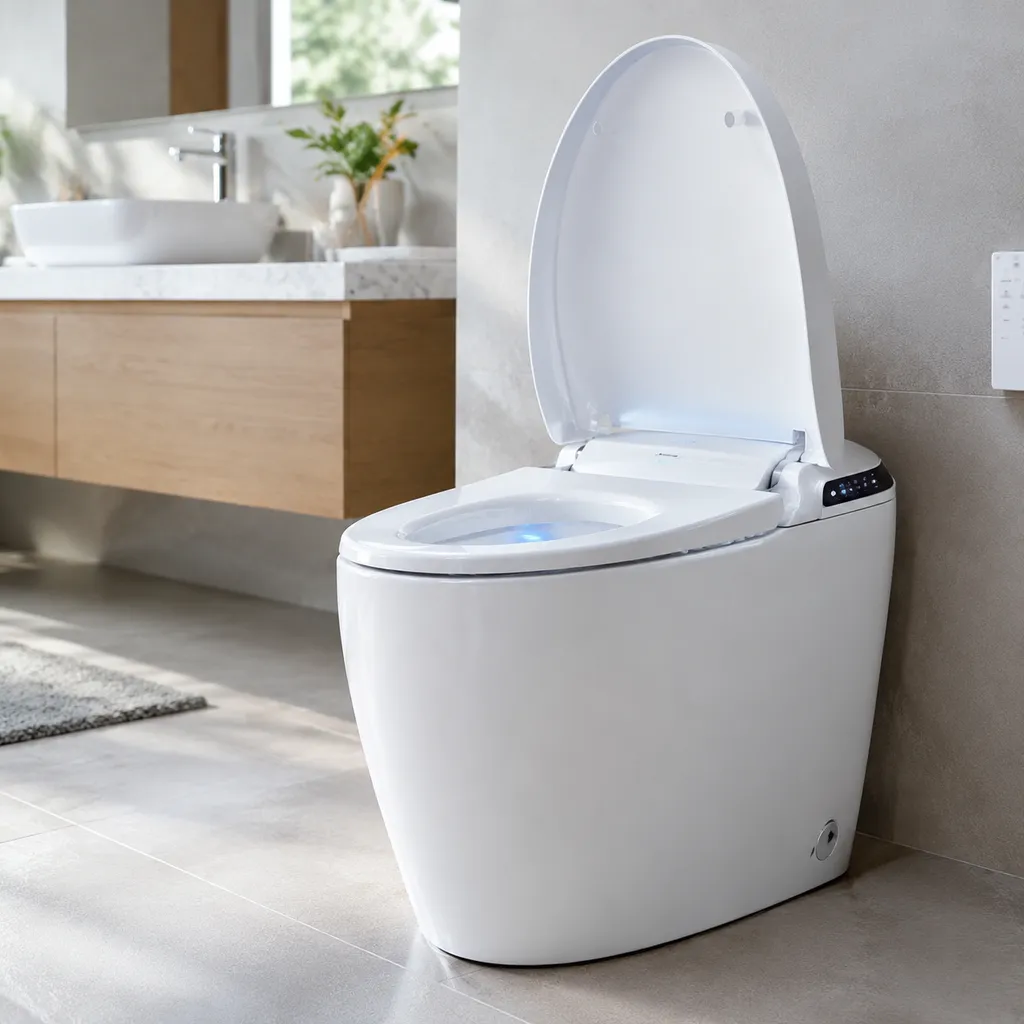
What Is Smart Toilet Cleaning Technology?
Smart toilet cleaning technology represents an integrated ecosystem of automated sanitation mechanisms, advanced material engineering, and intelligent fluid dynamics designed to maintain optimal hygiene. Rather than relying solely on manual scrubbing and chemical disinfectants, modern fixtures leverage automated cycles to sanitize the bowl, nozzle, and internal components before and after every use.
Definition and Working Principles
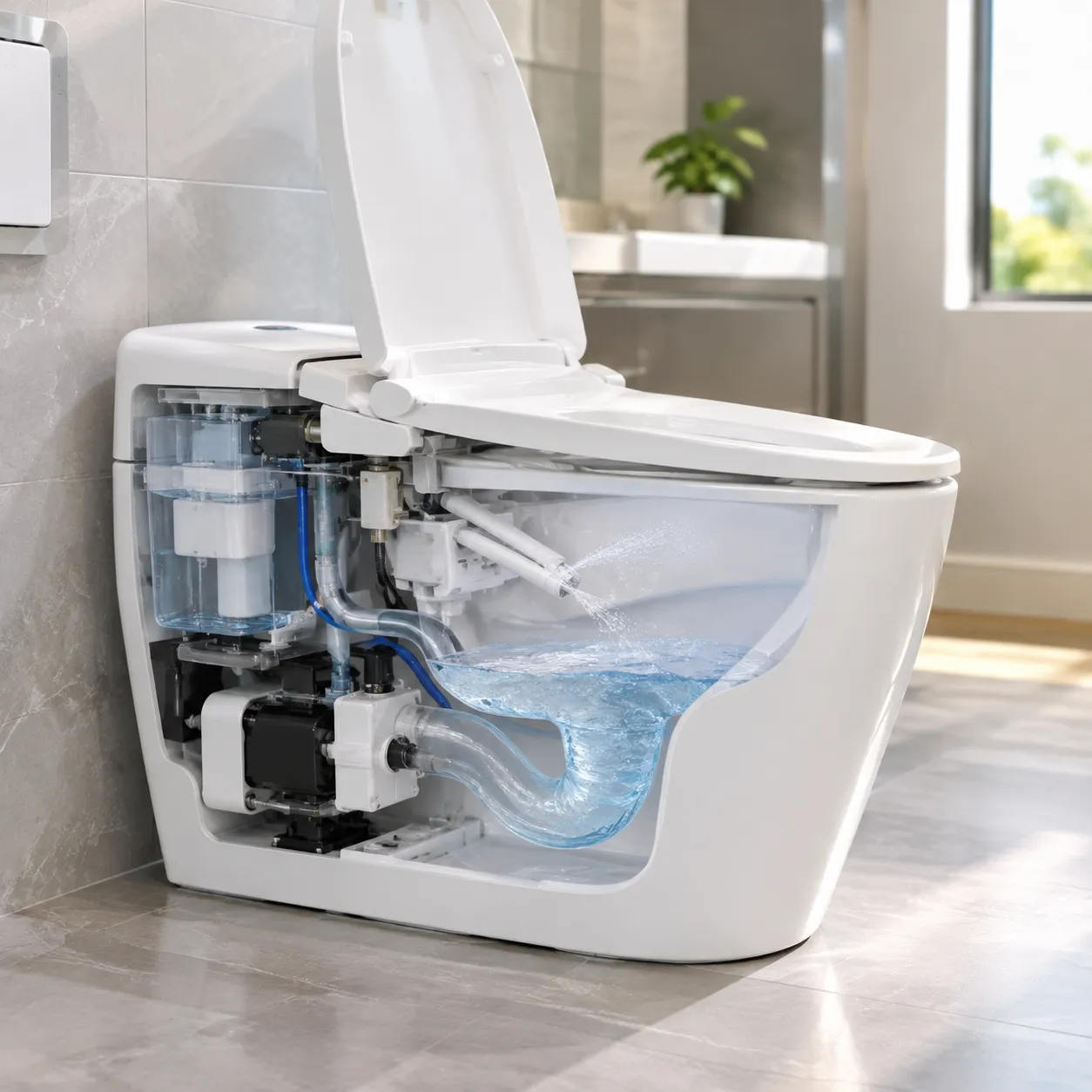
Smart toilet cleaning systems operate through a combination of automated surface treatment, hydrodynamic efficiency, and targeted sterilization. The system actively prevents waste buildup and eliminates bacteria through several core processes:
- Pre-Wetting and Surface Prep: An automated mist coats the bowl surface before use, reducing waste adherence on the ceramic surface.
- Targeted Sterilization Cycles: Integrated modules deploy active sanitizing agents, such as electrolyzed water or ultraviolet light, directly across high-contact zones.
- Automatic Nozzle Maintenance: A dedicated self-cleaning nozzle rinses its housing and wand assembly with fresh water before and after every bidet extension.
- Optimized Rinse Hydrodynamics: High-velocity, swirling water streams maximize surface coverage while minimizing water consumption during toilet bowl sanitization.
Evolution of Modern Bathroom Sanitation
Bathroom fixtures have evolved from purely mechanical plumbing to fully automated hygiene stations:
- Traditional Mechanical Fixtures: Relied entirely on manual brushing, caustic chemical cleaners, and high-volume gravity flushes that left micro-fissures prone to bacterial growth.
- Early Electronic Bidets: Introduced basic water-spray functions and manual rinse settings, though nozzle hygiene still required frequent hands-on maintenance.
- Next-Generation Smart Systems: Modern systems feature complete, hands-free automation. Advanced smart toilet cleaning technology integrates continuous sterilization, hydrophobic glazing, and automated disinfectant cycles to deliver an effortless, hospital-grade standard of domestic cleanliness.
Key Cleaning Technologies in Smart Toilets
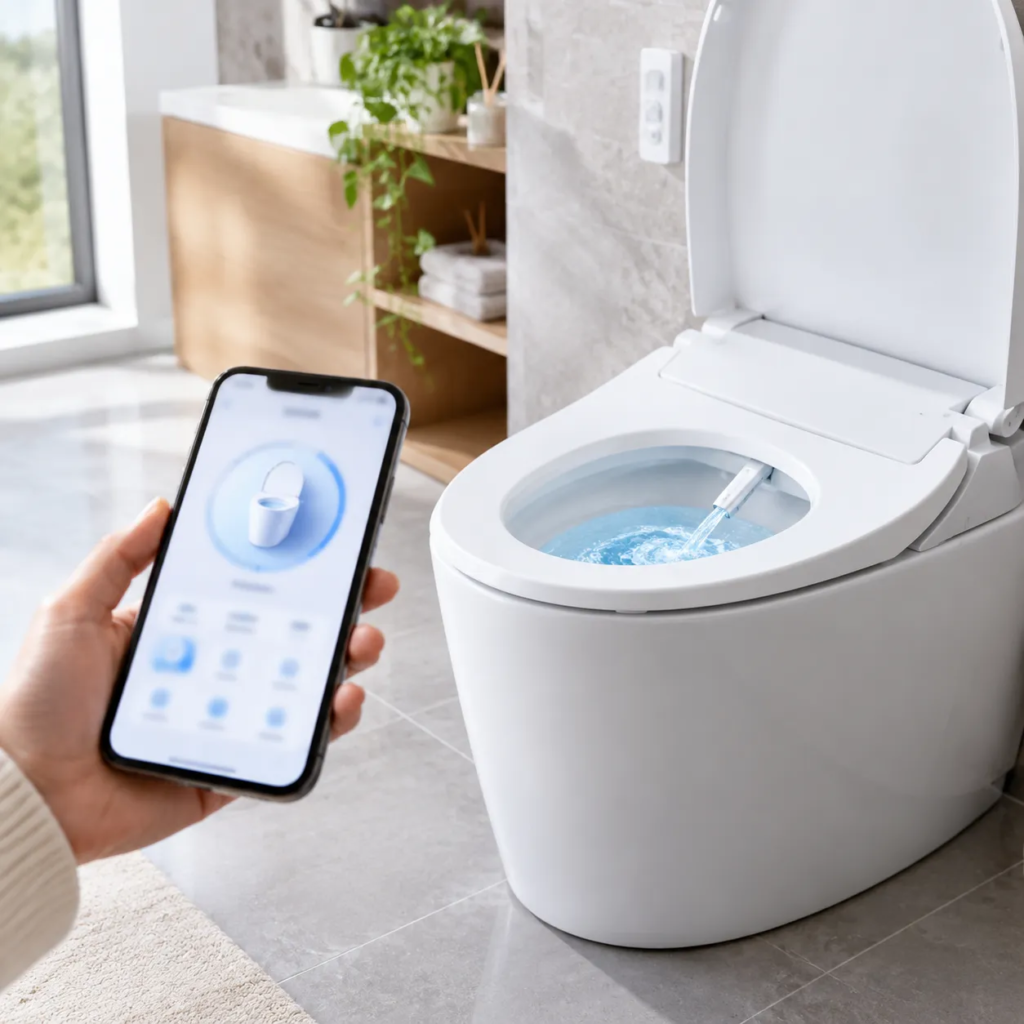
Modern smart toilet cleaning technology combines automated chemistry, specialized materials, and fluid dynamics to keep the fixture spotless with minimal manual effort. We design these integrated systems to target bacteria and waste at every stage of use.
| Technology Component | Primary Function | Key Advantage |
|---|---|---|
| Pre-Mist & Electrolyzed Water | Surface wetting & chemical-free disinfection | Prevents waste adhesion and sanitizes on contact |
| UV-C Light Treatment | Deep microbial eradication | Sterilizes the wand and interior bowl automatically |
| Retractable Bidet Wand | High-pressure multi-stage rinsing | Ensures pure hygiene before and after each spray |
| Antimicrobial Glaze & Swirl Flush | Non-stick surface & dynamic water scouring | Eliminates residue without harsh scrubbers |
Electrolyzed Water and Pre-Mist Systems
We use automated pre-mist cycles to spray a fine coating of water over the ceramic surface the moment a user sits down. This lubrication stops waste from clinging to dry porcelain.
For advanced toilet bowl sanitization, the system electrolyzes standard tap water to produce a mild, sanitizing solution. This active agent breaks down residual matter and keeps the bowl fresh without requiring bottled chemical cleaners.
- Instant Surface Prep: Coats the ceramic to reduce waste adherence by over 80%.
- Eco-Friendly Sanitation: Converts ordinary minerals in water into a powerful cleaning rinse that naturally returns to normal tap water over time.
UV Light Sanitization for Nozzles and Bowls
Integrated ultraviolet (UV-C) light systems provide an extra layer of defense against microscopic contaminants. Once the lid closes and the cycle begins, the unit exposes the interior bowl and wash components to targeted UV light.
- Targeted Exposure: Directs sterilizing rays onto the wand housing and interior ceramic walls.
- Hands-Off Protection: Runs automatically during idle periods to eliminate lingering bacteria without user intervention.
Self-Cleaning Bidet Wands and Automatic Nozzle Rinsing
The bidet wand remains the most critical component requiring constant hygiene. Our systems employ a dedicated self-cleaning nozzle routine that flushes both the interior water channels and exterior casing.
- Dual-Stage Rinsing: Cleans the nozzle with pressurized water immediately before extending and right after retracting.
- Optional Disinfectant Delivery: Certain models incorporate an automatic disinfectant dispenser channel to wash the wand housing between extended uses.
- Durable Materials: High-grade stainless steel and antimicrobial polymers prevent mineral scale and mold buildup.
Antimicrobial Ceramic Glazes and Advanced Swirl Flushing
Effective bowl maintenance relies heavily on surface engineering and hydrodynamic force.
- Micro-Level Glaze: Ultra-smooth ceramic glazes seal microscopic pores, leaving no rough textures for grime or limescale to grip.
- Cyclonic Swirl Flush: High-velocity water jets create a 360-degree vortex that scours the entire perimeter, delivering maximum waste-clearing power using minimal water volume.
Benefits of Self-Cleaning Smart Toilets
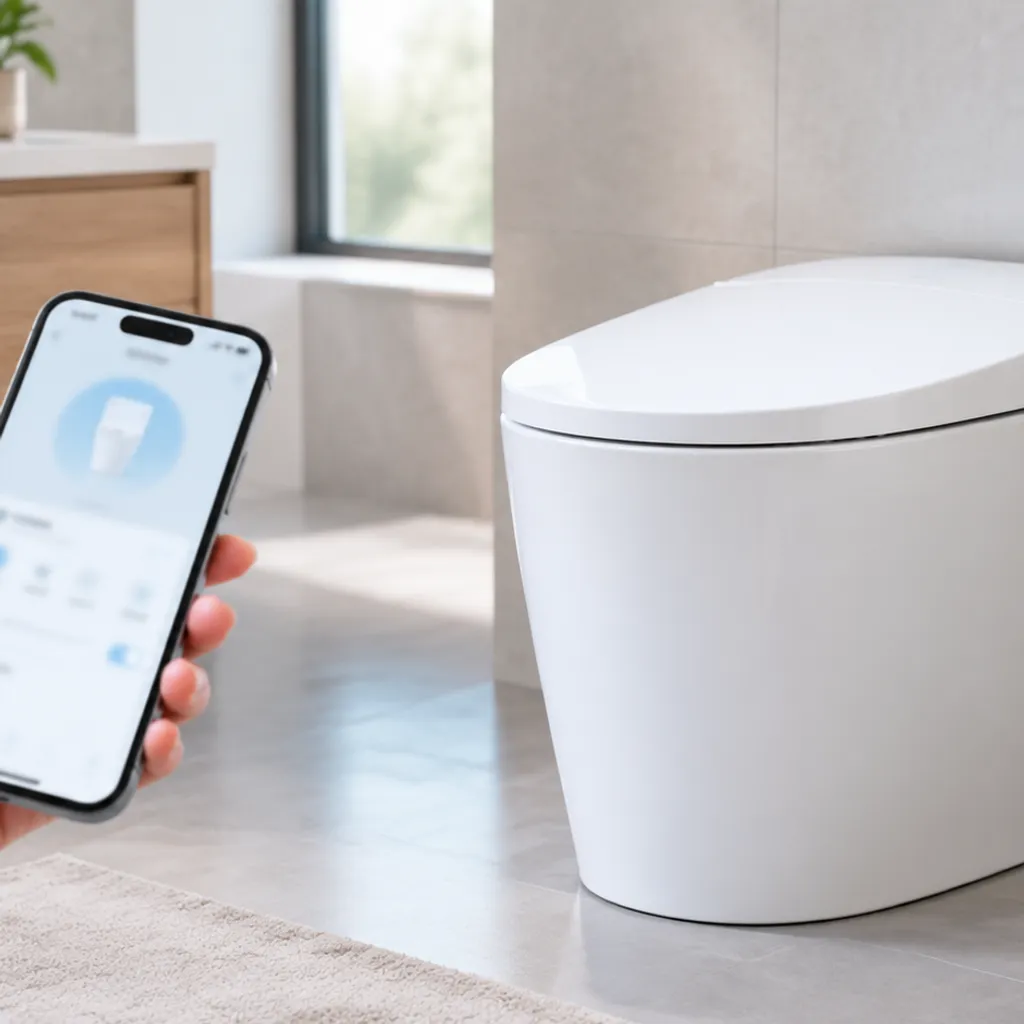
Upgrading to smart toilet cleaning technology completely changes how we maintain everyday bathroom hygiene. By automating daily maintenance, we eliminate the dirtiest chores while keeping fixtures pristine around the clock.
Superior Hygiene and Bacteria Elimination
Traditional toilets harbor unseen microbes even after a thorough scrub. Our systems integrate continuous protection to keep surfaces sterile:
- Automatic Toilet Bowl Sanitization: Automated rinsing cycles prevent residue buildup before it clings to the bowl.
- Self-Cleaning Nozzle: The bidet wand flushes itself with clean water before and after every use to block cross-contamination.
- Targeted Sterilization: Built-in sanitizing systems break down surface pathogens without manual scrubbing.
Hands-Free Convenience and Time Savings
Automated cleaning routines handle standard maintenance so you spend less time scrubbing on your hands and knees.
| Feature | Standard Toilet | Smart Toilet Cleaning Technology |
|---|---|---|
| Nozzle Care | Manual wiping required | Automatic self-cleaning nozzle rinse |
| Bowl Freshness | Weekly manual scrubbing | Continuous toilet bowl sanitization |
| Dispenser System | Manual chemical pouring | Built-in automatic disinfectant dispenser support |
| Daily Upkeep | High physical effort | Fully automated and hands-free |
Eco-Friendly Cleaning with Reduced Chemical Use
Smart sanitation systems rely on advanced water pressure, specialized glazes, and automated misting to keep ceramics spotless. This drastically cuts down the need for harsh bleach, corrosive acid cleaners, and single-use plastic wipes. You get a spotless finish that is safer for indoor air quality, gentler on plumbing, and better for the environment.
Integrated Air Deodorization and Odor Control
Odors are stopped at the source rather than masked with heavy sprays. Built-in carbon air filters and active suction draw air directly from the bowl, neutralizing unpleasant scents before they escape into the bathroom. The result is a consistently fresh, clean space after every single visit.
Maintenance Guide: How to Clean a Smart Toilet Manually
Smart toilet cleaning technology significantly cuts down everyday bathroom chores, but periodic manual upkeep remains essential to preserve the internal mechanics, sensors, and sensitive bidet components.
Do Self-Cleaning Toilets Still Require Manual Cleaning?
Yes, self-cleaning toilets still require occasional manual care. While automated toilet bowl sanitization and built-in rinsing cycles eliminate daily bacteria and waste residue, they cannot completely prevent hard water scale, external dust buildup, or debris along exterior seals.
| Maintenance Task | Frequency | Focus Area |
|---|---|---|
| External Wipe-Down | Weekly | Seat, lid, side panels, and sensor windows |
| Nozzle Descaling | Monthly | Bidet spray head and nozzle housing |
| Mesh Filter Cleaning | Every 6 months | Water inlet valve and inline filter |
| Deep Ceramic Clean | Monthly | Rim crevices and base exterior |
Cleaning and Descaling the Bidet Wand
Even with a self-cleaning nozzle, mineral deposits from hard water can clog the microscopic water outlets over time.
- Activate Maintenance Mode: Use the remote control or side panel button to extend the wand for manual inspection without spraying water.
- Remove Limescale: Dip a soft-bristle brush in a 1:1 solution of warm water and white vinegar, then gently scrub the spray apertures.
- Avoid Physical Force: Never pull, push, or bend the motorized wand manually to avoid damaging the internal retraction gear.
- Run a Rinse Cycle: Retract the wand and trigger a self-rinse cycle to flush out any loosened mineral particles.
Maintaining Water Filters and Electrical Components
Protecting internal water lines and sensitive electronics guarantees consistent water pressure and prevents system faults.
- Clean the Water Inlet Filter: Turn off the shut-off valve, unscrew the inline mesh strainer, and rinse away trapped sediment under running water to protect the internal automatic disinfectant dispenser and heating tank.
- Protect Electrical Connections: Always disconnect the power supply before performing wet maintenance near the back housing or electrical cord.
- Sensor Care: Wipe optical proximity sensors and seat-occupancy sensors with a dry, lint-free microfiber cloth to prevent phantom flushing or delayed bidet activation.
Safe Cleaning Agents for Ceramic and Bidet Seats
Smart toilets combine vitreous china with specialized antimicrobial polypropylene or ABS plastics. Using incorrect chemicals can permanently damage surface coatings and cause plastic housings to crack or discolor.
- Approved Cleaners: Use neutral dish soaps, diluted vinegar solutions, warm water, and non-abrasive microfiber cloths.
- Prohibited Cleaners: Avoid chlorine bleach, hydrochloric acid, abrasive scouring pads, benzene, acetone, and petroleum-based solvents on the seat and nozzle assembly.
What to Look for When Choosing a Self-Cleaning Smart Toilet
Selecting the right smart toilet cleaning technology requires a balance between hands-free hygiene, reliable mechanics, and practical bathroom compatibility. I focus on key sanitation features, flushing performance, and installation specs to ensure long-term durability and effortless maintenance.
| Feature Category | Key Consideration | Best Standard |
|---|---|---|
| Sanitization | Active sterilization & wand hygiene | UV-C light + electrolyzed water |
| Flushing | Waste removal with low water use | Siphonic swirl or dual-cyclone system |
| Dispensing | Surface barrier & scale protection | Integrated automatic disinfectant dispenser |
| Power & Setup | Reliable electrical and plumbing fit | Dedicated GFCI outlet & 0.14+ MPa dynamic pressure |
Automated Cleaning Features and Sterilization Modes
The core value of an intelligent toilet is its ability to sanitize itself without constant manual scrubbing.
- Self-Cleaning Nozzle: I always look for stainless steel or antimicrobial wand designs that perform automated high-pressure rinsing before and after every use.
- Toilet Bowl Sanitization: Top-tier units utilize electrolyzed water or active UV sterilization cycles that continuously suppress bacterial growth and mineral accumulation.
- Automatic Disinfectant Dispenser: Integrated foam shield systems add a lubricating, scented barrier over the water surface, preventing splash-back and keeping the bowl clean after every flush.
Flushing Power and Water Efficiency
High-performing cleaning technology relies heavily on intelligent fluid dynamics to maximize bowl cleanliness while minimizing resource consumption.
- Cyclonic and Rimless Flushing: Advanced swirl flushing delivers complete 360-degree bowl coverage, utilizing high-velocity water paths that leave no blind spots for waste to adhere to.
- Dual-Flush Options: Water-efficient systems provide variable flush volumes (such as 1.0 GPF / 3.8 LPF for light waste and 1.28 GPF / 4.8 LPF for full flushes), meeting global conservation standards without sacrificing clearing power.
- Pre-Wet Functionality: Automatic bowl pre-misting creates a slick surface layer that significantly reduces waste adhesion before use.
Installation Requirements and Power Source Compatibility
Before finalizing your choice, verify that your bathroom infrastructure supports the technical requirements of an advanced electronic unit.
- Electrical Setup: Ensure a dedicated GFCI electrical outlet is positioned within 3 to 4 feet (approx. 1 meter) of the toilet base to safely power heating elements and electronic valves.
- Water Pressure Compatibility: Smart tankless designs often require a minimum dynamic water pressure (typically 20–35 PSI or 0.14–0.24 MPa) to execute high-power flushing cycles effectively.
- Rough-In Measurements: Standard installations require a 12-inch (305 mm) rough-in clearance from the finished wall to the center of the drain pipe, though 10-inch and 14-inch configurations exist for specific layouts.
Frequently Asked Questions About Smart Toilet Cleaning
Are self-cleaning smart toilets worth the investment?
Yes. Upfront costs are higher than standard fixtures, but the long-term benefits of smart toilet cleaning technology easily justify the price.
- Time savings: Automated cycles dramatically reduce the hours you spend scrubbing on your hands and knees.
- Superior hygiene: Features like continuous toilet bowl sanitization and automated wand sterilization eliminate bacteria at the source.
- Lower chemical costs: You buy fewer harsh detergents and disposable cleaning tools over the life of the unit.
From our experience delivering modern sanitation solutions worldwide, the daily comfort and elevated hygiene standards deliver immediate value for any modern home.
How often do smart toilets run self-cleaning cycles?
Smart toilets automate their hygiene routines continuously based on user presence and idle timers:
- Before and after each use: The self-cleaning nozzle automatically flushes fresh or electrolyzed water over the wand to prevent cross-contamination.
- During flushing: The system activates pre-mist coatings and high-power swirl flushing to keep waste from clinging.
- Idle periods: Advanced models trigger deep sanitization routines—such as UV light exposure or an automatic disinfectant dispenser cycle—every few hours or during nighttime inactivity to maintain pure conditions.
Can standard bathroom chemicals damage smart toilet surfaces?
Yes. Standard abrasive cleaners, bleach-heavy solutions, and acidic toilet gels can permanently ruin your smart toilet.
- Nozzles and seats: Harsh chemicals cause delicate bidet wands and plastic seats to crack, discolor, or malfunction.
- Specialized ceramic glazes: Abrasive powders strip away the ultra-smooth, hydrophobic glaze that prevents dirt from sticking in the first place.
To protect the built-in smart toilet cleaning technology, we always advise cleaning external components with a soft microfiber cloth, warm water, and neutral, non-abrasive soap.