Overview
What Is a Built-In Booster Pump for Smart Toilets?
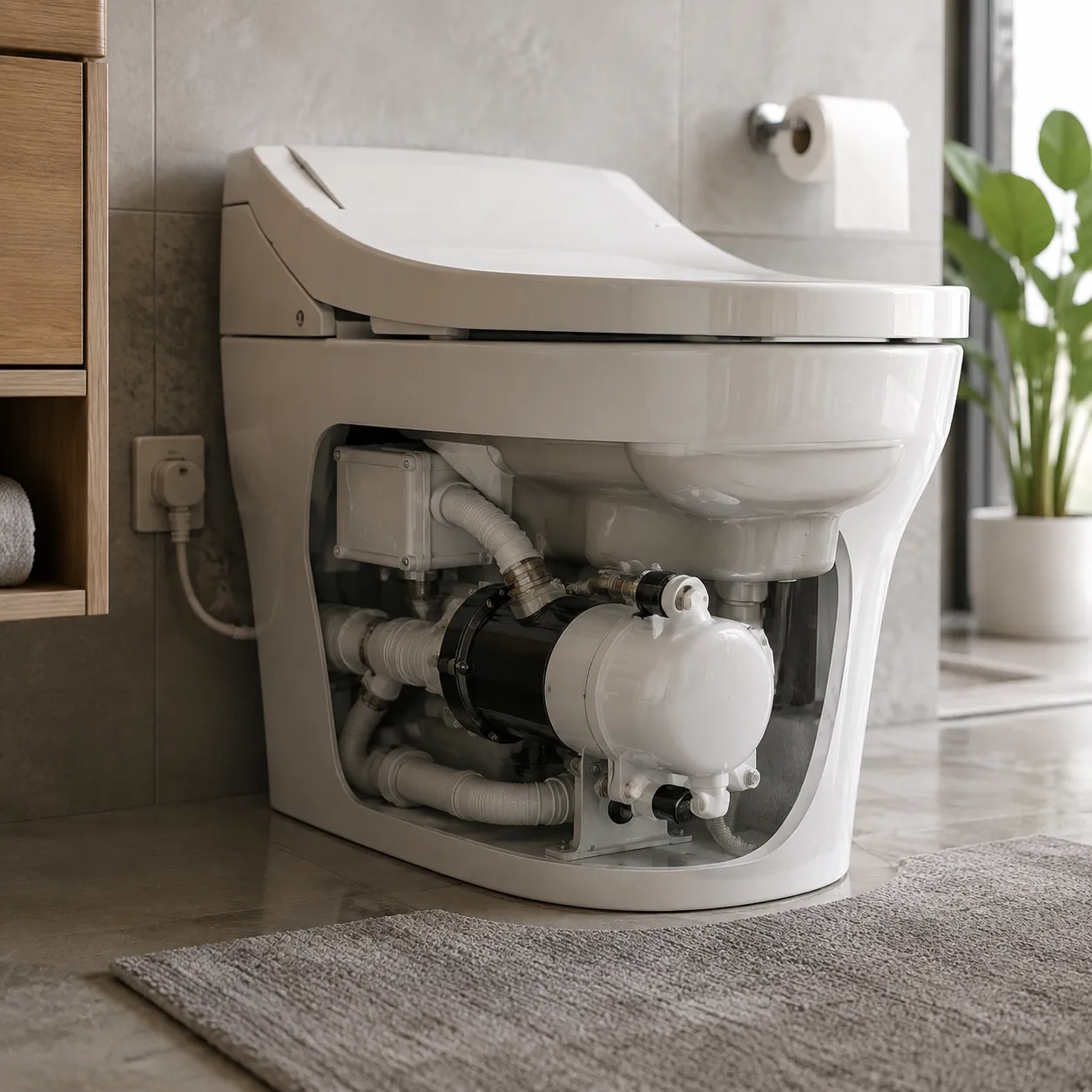
A built-in booster pump for smart toilets is a specialized, compact mechanical system engineered directly into the ceramic base or internal chassis of modern electronic bidet units. Unlike traditional gravity-fed systems relying on large, visible cisterns, this integrated solution pressurizes water internally to ensure consistent, powerful flushing and cleansing cycles regardless of external plumbing limitations.
How Integrated Toilet Booster Pumps Work
The integrated booster system functions via synchronized electronic control and targeted fluid dynamics:
- Signal Activation: Activating the flush button, remote control, or auto-sensor triggers the main circuit board (PCB) to start the system.
- Direct Pressurization: A compact internal motor draws water and instantly accelerates flow rate and pressure within a sealed fluid channel.
- Dual-Action Delivery: The pressurized water splits into two directed streams:
- A high-velocity jet stream aimed directly at the bottom siphon trapway.
- A pressurized rim rinse to thoroughly scrub the entire inner bowl surface.
- Complete Evacuation: The sudden burst creates a powerful, rapid siphonic pull that evacuates waste cleanly using minimal water volume.
Why Smart Toilets Struggle with Low Water Pressure
Smart toilets, especially streamlined tankless designs, require immediate kinetic energy to clear waste effectively without a traditional gravity water reservoir. Standard residential plumbing often creates operational issues:
| Pressure Condition | Impact on Smart Toilets | Built-In Pump Solution |
|---|---|---|
| Low Static Pressure (<0.15 MPa) | Incomplete waste evacuation and frequent clogs | Generates mechanical pressure on demand |
| Peak Usage Drops | Weak bowl rinsing during simultaneous household water use | Stabilizes output pressure automatically |
| High-Rise Friction Loss | Inadequate water volume reaching upper floors | Restores required flow velocity inside the unit |
Without an integrated booster mechanism, low supply pressure leads to weak flushes, residue buildup, and recurring plumbing maintenance.
Key Benefits of Smart Toilets with Integrated Booster Pumps
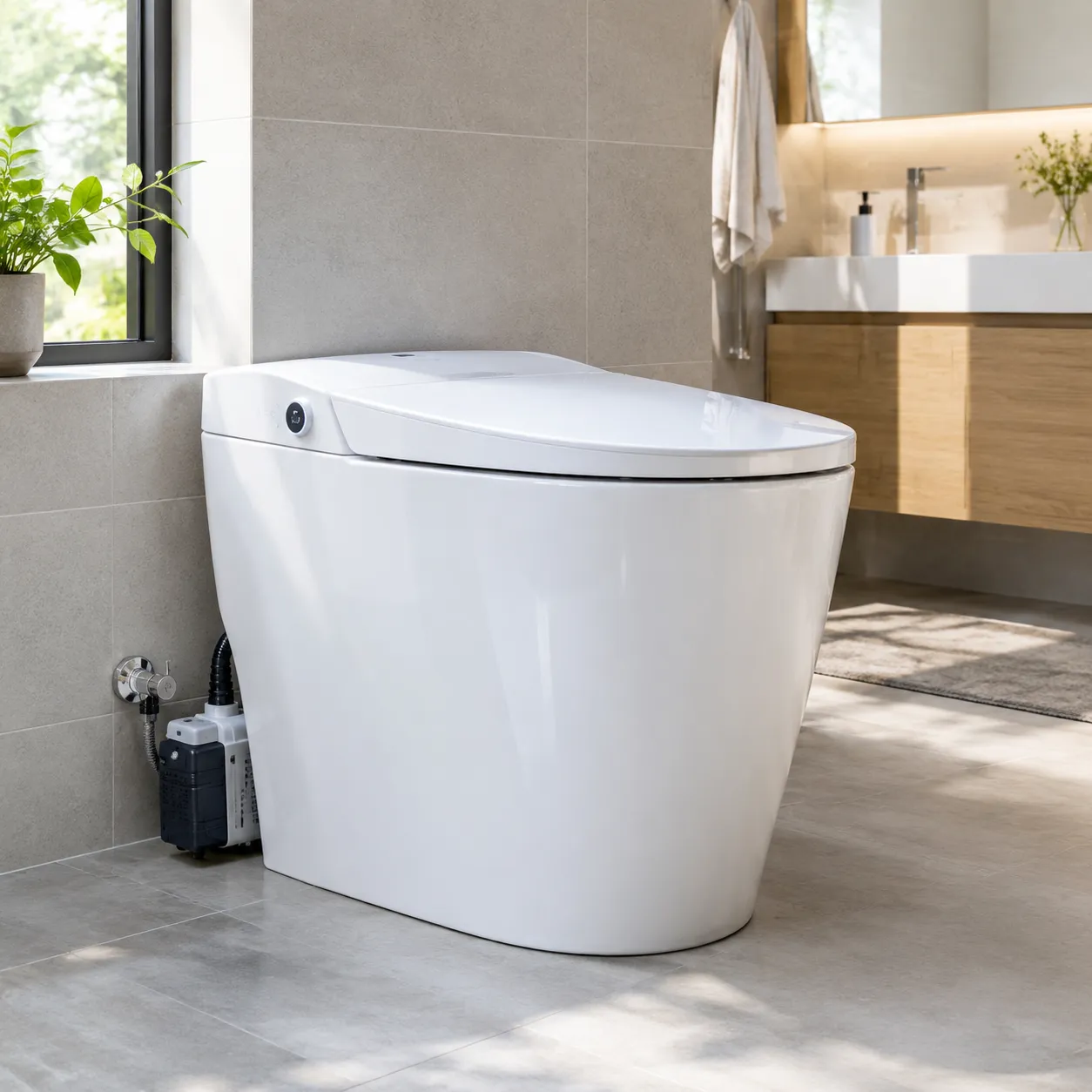
Upgrading to a smart toilet featuring an integrated booster pump solves the primary issues of weak residential plumbing. We design these systems to deliver high-performance cleaning, maximum water savings, and quiet functionality directly inside modern fixtures.
| Key Benefit | How It Works | Primary Advantage |
|---|---|---|
| Zero Pressure Flush | Internal pressurized water delivery | Reliable flushing under any water supply conditions |
| Eco Siphon Action | High-velocity siphon jet streams | Complete waste removal with minimal water volume |
| Silent Operation | Concealed housing and vibration dampening | Quiet flushes without disturbing household members |
Zero Water Pressure Flushing Performance
Low water line pressure often ruins the experience of owning a tankless toilet. With a built-in booster pump for smart toilets, reliance on static plumbing pressure is eliminated.
- Direct pressure generation: The internal unit automatically accelerates incoming water to the exact force required for a clean bowl.
- Consistent results: Every flush provides full power, regardless of pipe diameter, high-demand household hours, or low municipal baseline supply.
- Seamless installation: No need for extra exterior pressure tanks or secondary plumbing modifications.
Powerful and Eco-Friendly Siphon Flush
Combining an integrated pump with a precision siphon jet maximizes waste clearing while keeping water consumption to an absolute minimum.
- High-velocity clearing: The boosted flow triggers an immediate, aggressive siphon action that clears bulk waste in a single cycle.
- Reduced water waste: Delivers full evacuation using less volume per cycle than traditional gravity-fed systems.
- Cleaner bowl surfaces: Targeted high-pressure rim jets scrub the ceramic walls, preventing residue and reducing the need for chemical cleaners.
Silent and Concealed Operation
Traditional add-on pumps can be noisy and visually disruptive in a modern bathroom. Integrated units prioritize noise control and clean aesthetics.
- Internal placement: The silent booster pump sits entirely inside the ceramic base, leaving no visible wires, external hoses, or extra boxes.
- Vibration isolation: Built-in acoustic dampening materials absorb motor hum and pipe rattle during the cycle.
- Discreet day-and-night use: Runs smoothly and quietly, preventing loud disruptions during late-night bathroom visits.
Core Features of Smart Toilet Booster Pump Systems
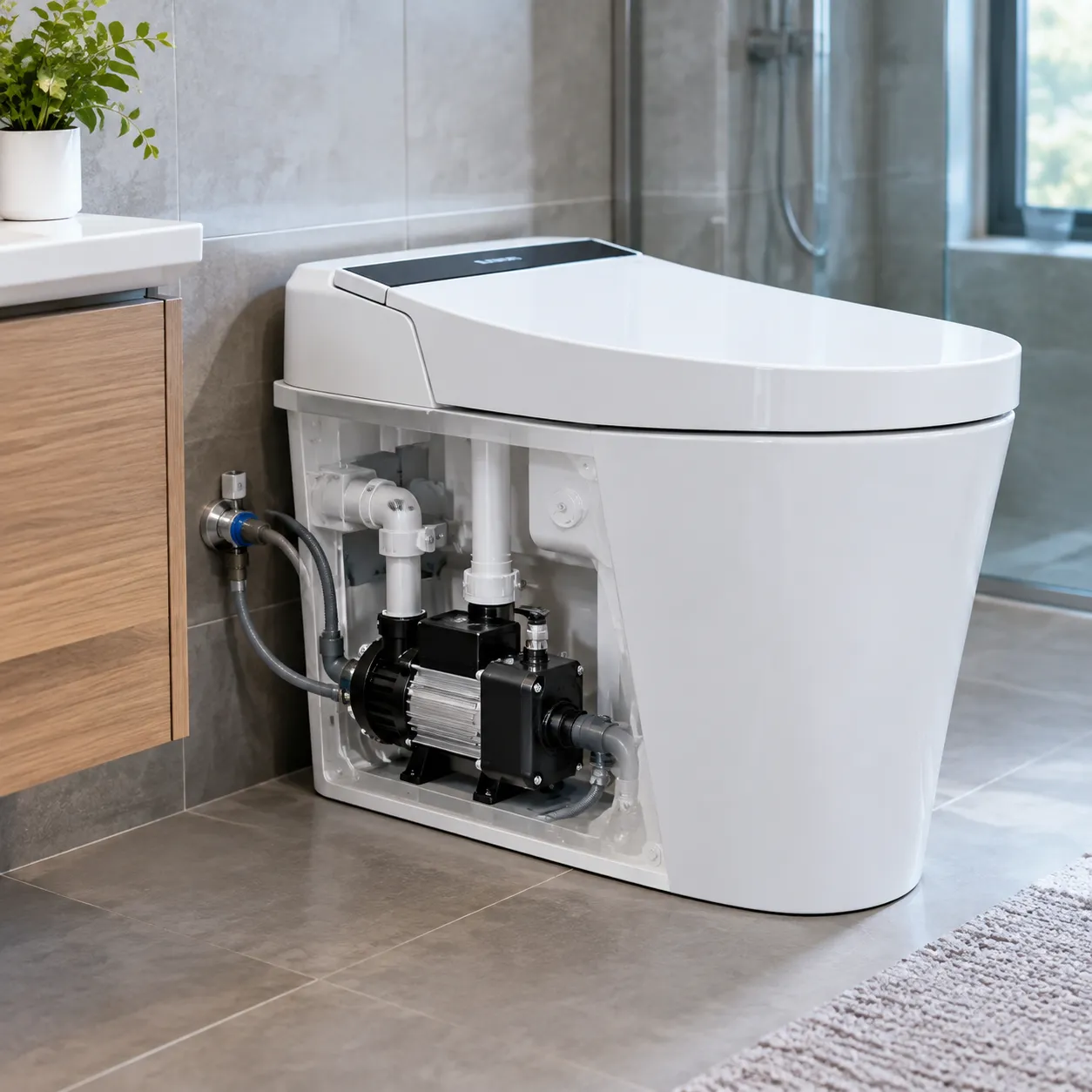
A high-performance built-in booster pump for smart toilets transforms how modern fixtures handle water delivery. By pairing mechanical drive systems with digital controls, these units ensure reliable waste removal regardless of external plumbing constraints.
| Core Feature | Technical Implementation | Practical Benefit |
|---|---|---|
| Integrated Reservoir | Internal hidden water chamber | Delivers instant volume for zero-pressure flushing |
| DC Drive System | Brushless micro DC water pump | Delivers high torque with minimal power draw |
| Intelligent Cycles | Automated sensor-driven valves | Synchronizes bidet cleansing and waste evacuation |
Combination of Built-in Water Tank and Pump
A standard tankless toilet often struggles when building lines bottleneck. We solve this by embedding a compact water reservoir directly alongside a dedicated pressure unit inside the ceramic base.
- Dual-Stage Delivery: The internal tank stores a precise volume of water, while the integrated pump accelerates it instantly through the rim jets and siphon jet.
- Line Independence: The system does not rely on direct municipal pipe pressure during the flush cycle, eliminating weak flushes during peak household water usage hours.
- Compact Footprint: Everything stays concealed inside the skirted porcelain, maintaining a sleek, minimalist profile without bulky external plumbing.
Energy-Efficient DC Motor Technology
At the center of the mechanism is a specialized, low-voltage silent booster pump motor engineered for maximum hydraulic lift with minimal electrical demand.
- Brushless DC Operation: Micro DC motors generate high rotational force instantly, pushing water through the trapway at high velocity.
- Low Power Consumption: Operates safely on low-voltage DC power converted internally, consuming negligible electricity per flush cycle.
- Vibration Dampening: Internal rubberized mounts isolate motor oscillation from the ceramic bowl, keeping operation whisper-quiet.
Smart Automatic Cleansing and Flushing Modes
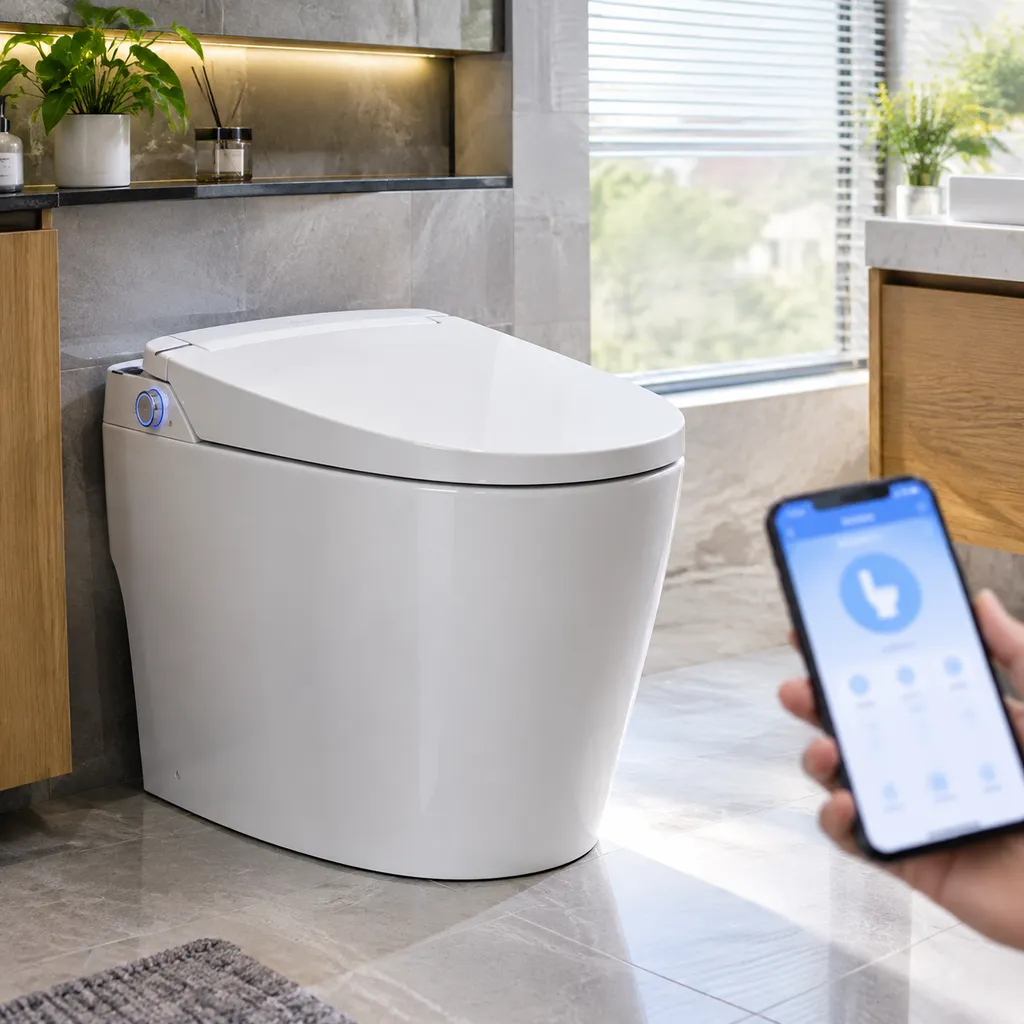
The pump control board integrates directly with the smart toilet's central processing unit to optimize water distribution between personal hygiene features and bowl evacuation.
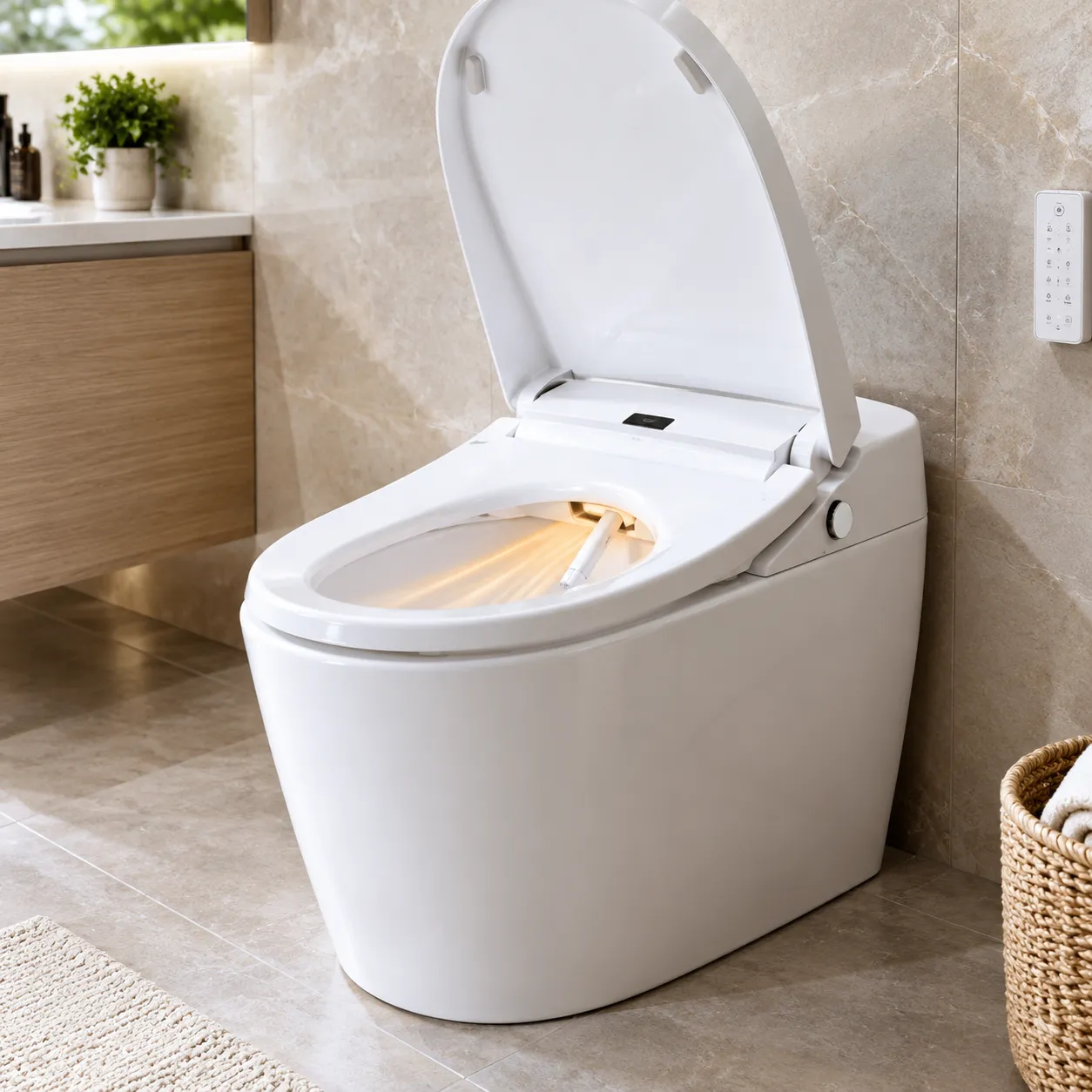
- Split-Stream Management: The system diverts high pressure to the evacuation siphon while regulating gentle, steady pressure for the rear and feminine bidet wands.
- Sensor-Activated Flushing: Foot sensors, off-seat auto-flush triggers, and remote buttons send direct signals to the pump controller to initiate exact water-metered cycles.
- Pre-Wet Cleansing: Before use, the pump delivers a micro-mist across the ceramic surface, preventing waste adhesion and cutting down overall water consumption.
Who Needs a Smart Toilet with a Built-In Pump?
Not every home has the steady, high-pressure water supply required for modern bathroom fixtures. If weak plumbing causes incomplete flushes or slow tank refills, upgrading to a smart toilet featuring a built-in booster pump solves the problem directly at the source.
- Consistent Performance: Delivers a complete, powerful flush regardless of incoming pressure drops.
- Compact Integration: Eliminates the need for bulky external plumbing hardware.
- Universal Compatibility: Works seamlessly with standard household plumbing setups.
High-Rise Apartments and Upper-Floor Bathrooms
Water pressure drops significantly as it travels upward. In high-rise condominiums, top-floor apartments, and multi-story houses, gravity works against the plumbing system. During peak morning and evening hours when neighbors use water simultaneously, standard toilets often fail to clear the bowl. A built-in booster pump for smart toilets creates the necessary mechanical force internally, ensuring reliable performance regardless of building height or shared pipeline demand.
Rural Homes and Low Municipal Pressure Areas
Properties operating on well water, gravity-fed storage tanks, or aging municipal networks frequently experience fluctuating pressure. Installing a tankless toilet in these conditions usually leads to weak siphon action and frequent clogs.
| Location Type | Common Water Issue | Built-In Pump Advantage |
|---|---|---|
| Rural / Well Systems | Inconsistent flow from pressure tanks | Delivers steady flush velocity on demand |
| Old Urban Districts | Low baseline municipal pressure | Overcomes narrow or corroded supply lines |
| Top-Floor Units | Pressure loss due to elevation | Ensures full siphon action every cycle |
Off-Grid Living, RVs, and Tiny Homes
Compact living spaces require high efficiency with minimal water usage. Standard gravity tanks take up valuable room and require heavy water volume to function. Smart models equipped with an integrated micro DC water pump provide maximum clearing power using minimal water, making them ideal for:
- Tiny Houses: Maximizes bathroom layout space without sacrificing flush capability.
- Luxury RVs & Campers: Operates smoothly on limited onboard pump systems.
- Off-Grid Cabins: Reduces overall water consumption while maintaining modern sanitation standards.
Built-in Booster Pumps vs. External Toilet Booster Pumps
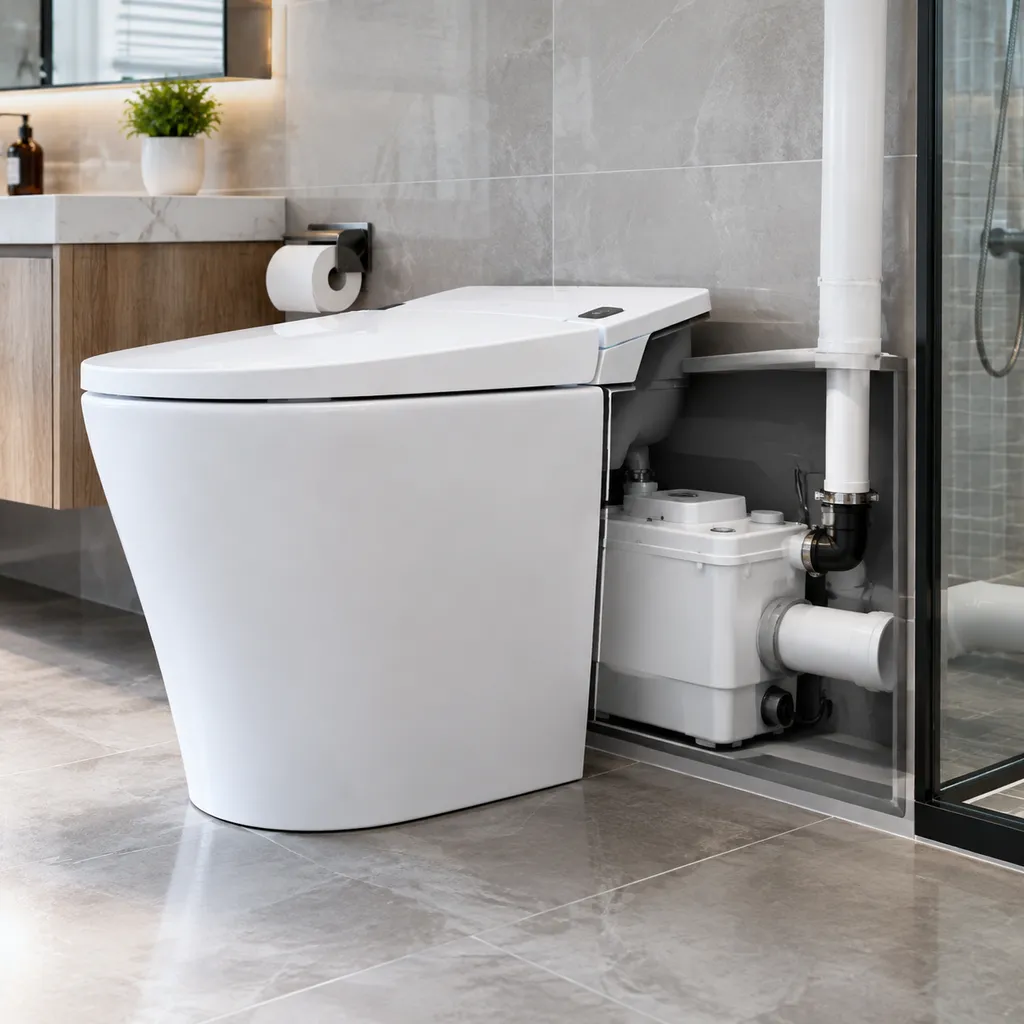
Choosing between an integrated system and an add-on unit comes down to how you want your bathroom to look, sound, and function. While both options solve low water pressure issues, a built-in booster pump for smart toilets offers a seamless experience that external units simply cannot match.
| Feature | Built-in Booster Pump | External Booster Pump |
|---|---|---|
| Visual Appeal | Fully concealed inside the ceramic | Exposed pipes, wiring, and motor |
| Space Required | Zero extra floor or wall space | Requires dedicated utility area |
| Noise Profile | Insulated, quiet operation | High vibration and audible hum |
| Installation | Plug-and-play internal setup | Complex external plumbing required |
Aesthetics and Space-Saving Design
A built-in booster pump for smart toilets fits entirely inside the base of the fixture. This eliminates the clutter of exposed hoses, bulky hardware, and extra power cords running across your floor. For modern, minimalist bathrooms or compact powder rooms, an integrated tankless toilet setup keeps the focus on sleek design rather than plumbing mechanics.
- Clean Lines: Everything stays hidden within the ceramic housing.
- Compact Footprint: Perfect for tight urban layouts and small bathrooms.
- No Wall Damage: Avoids mounting extra brackets or cutting into finished drywall.
Noise Level and Vibration Control
External booster units often rattle against walls and floors, creating an irritating drone every time the water runs. In contrast, an integrated silent booster pump relies on heavy ceramic shielding and internal rubber dampeners to absorb movement.
- Ceramic Soundproofing: The thick structure of the smart toilet naturally muffles mechanical sounds.
- Dampened DC Motors: Micro DC water pump technology delivers steady flow without the sudden pipe-hammer noise common in external setups.
- Discreet Operation: Nighttime flushes remain quiet without disturbing neighboring rooms.
Installation and Long-Term Maintenance
External pumps introduce multiple potential leak points with separate inlet valves, additional couplings, and exposed seals. An integrated booster pump kit arrives pre-calibrated from the factory, reducing the risk of improper installation.
- Single-Point Setup: Connect your standard water supply line directly to the fixture without secondary pump plumbing.
- Fewer Leak Hazards: Internal connections are factory-tested and sealed inside the unit.
- Protected Components: Shielding the pump from dust, humidity, and accidental kicks ensures a longer operational lifespan with minimal upkeep.
How to Choose and Maintain a Smart Toilet Booster Pump
Selecting and taking care of the right built-in booster pump for smart toilets ensures reliable flushing power and extends the lifespan of your unit. We focus on durable components that handle daily demand without unnecessary wear or high energy draw.
Checking Voltage and Power Specifications (110V/220V/DC)
Matching electrical configurations prevents motor burnout and ensures steady operation. Most integrated units utilize a dedicated internal transformer paired with a micro DC water pump for safe, low-voltage performance inside wet bathroom environments.
| Specification Type | Standard Range | Best Suited For | Key Benefit |
|---|---|---|---|
| AC Input (110V / 220V) | 100V–240V (50/60Hz) | Standard residential wall outlets | Universal grid compatibility |
| Internal DC Voltage | 12V / 24V DC | Internal pump drive systems | High electrical safety & low heat |
| Power Consumption | 35W – 65W per flush cycle | Energy-efficient modern setups | Minimal electricity use per flush |
Flow Rate and Water Pressure Output
A high-performing tankless toilet needs instant pressure delivery to execute a clean siphon cycle. We calibrate our integrated systems to deliver consistent hydraulic force regardless of fluctuating mainline supply.
- Target Output Pressure: Delivers between 0.15 MPa to 0.25 MPa directly at the nozzle and jet paths.
- Flow Volume: Requires a minimum flow delivery of 18 to 25 liters per minute during the active flush window.
- Acoustic Management: A well-balanced silent booster pump maintains high pressure output while keeping operational sound levels below 45 dB.
Troubleshooting and Replacement Pump Kits
Regular maintenance prevents mineral buildup, while modular components make repairs straightforward if flow rates drop over time.
- Debris and Sediment Checks: Clean the inlet filter screen every 6 to 12 months to stop sediment from restricting the pump impeller.
- Weak Flush Diagnosis: Check electrical connectors and ensure the water supply shut-off valve is fully open before inspecting internal seals.
- Modular Swaps: If internal motor failure occurs, an OEM booster pump kit allows for a quick, drop-in replacement without needing to change the entire ceramic bowl or electronic seat assembly.