Understanding Toilet Heights
Choosing the right toilet involves more than just aesthetics; the heights of toilets directly impact daily comfort, bathroom accessibility, and long-term usability. Selecting the correct dimensions ensures your bathroom remains functional for every member of the household.
Why Toilet Height Matters
The height of a toilet dictates how easily you sit down and stand up. Getting this measurement right prevents physical strain and enhances safety, particularly in multi-generational homes.
- Joint Pressure: The correct height minimizes stress on the knees, hips, and lower back.
- Accessibility: Proper dimensions accommodate individuals with limited mobility or those recovering from injuries.
- Ergonomics: The right setup promotes a natural, comfortable posture during daily use.
How Toilet Height Is Measured
Accurately evaluating the heights of toilets requires a specific measurement standard to ensure a perfect fit.
- Base to Rim: Measure vertically from the finished floor directly up to the top lip of the porcelain bowl.
- Ignore the Tank: Do not include the toilet tank or the toilet seat in this baseline measurement.
- Level Ground: Always ensure the measuring tape is perfectly vertical and resting on a flat, finished floor surface.
Seat Height vs. Bowl Height
Understanding the distinction between these two terms prevents common purchasing mistakes:
- Bowl Height: This is the manufacturer’s baseline specification, measuring strictly from the floor to the top rim of the bare porcelain.
- Seat Height: This represents the actual seating height during use. Adding a standard toilet seat typically adds an extra 0.5 to 1 inch to the total bowl height, which must be factored into the final calculation for optimal comfort.
Standard Height Toilets
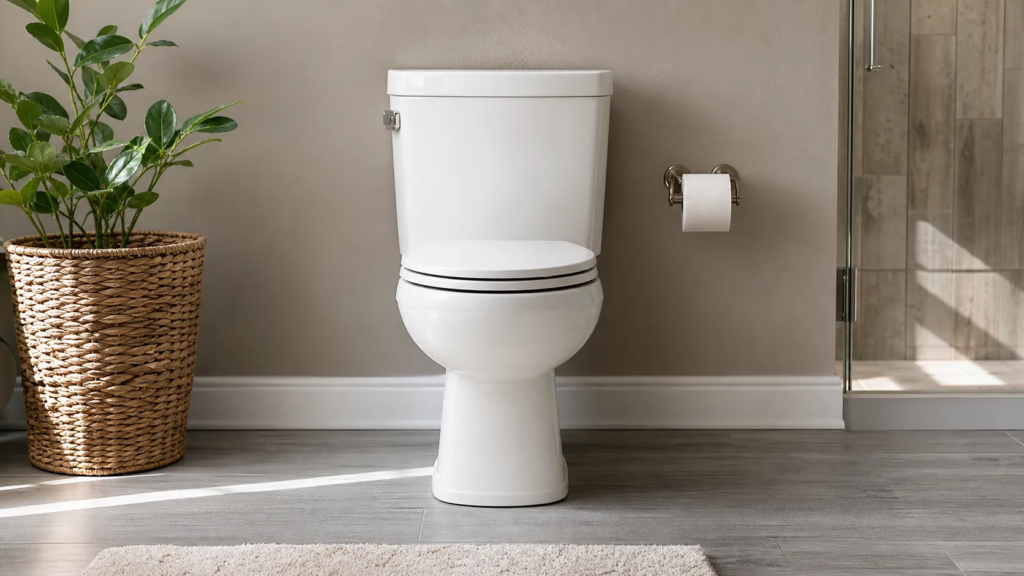
Standard height toilets remain the traditional benchmark in residential bathroom design. In our experience, understanding these baseline specs helps you decide whether sticking with tradition or upgrading to modern alternatives fits your space best.
Standard Height Dimensions
- Bowl Height: Measures 14 to 15 inches from the finished floor to the top edge of the bowl rim.
- Total Seating Height: Reaches roughly 15 to 16 inches once you add a standard seat.
- Overall Height: Measures around 28 to 30 inches from the floor to the top of the toilet tank lid.
Pros and Cons of Standard Height
Here is how standard height toilets stack up in daily use:
- Pros:
- Better Body Alignment: Sitting lower creates a natural squatting angle that supports healthy digestion.
- Kid-Friendly Clearance: Lower rims make it easy for children to sit down without struggling.
- Cost-Effective: Widely available at budget-friendly prices with abundant replacement parts.
- Cons:
- Joint Strain: Requires more effort from knees and hips when standing up, especially for taller adults.
- Lower Accessibility: Does not meet ADA compliance guidelines for users with mobility challenges compared to taller comfort height options.
Who Standard Height Is Best For
We generally recommend standard height toilets for:
- Families with Young Children: Makes independent bathroom use safer and easier for kids.
- Shorter Adults: Ideal for individuals under 5 feet 7 inches who want their feet resting flat on the floor.
- Budget-Focused Renovations: A solid choice for guest bathrooms or rental properties looking to keep costs low.
Comfort Height and Chair Height Toilets
When exploring the various heights of toilets, comfort height—often referred to as chair height—has quickly become the leading choice for modern bathrooms. We recommend these models because they align with natural sitting postures, making daily use significantly easier for most adults.
Comfort Height Dimensions
Comfort height models sit noticeably higher than a traditional standard height bowl.
| Toilet Type | Bowl Height (Floor to Rim) | Total Seating Height (With Seat) |
|---|---|---|
| Standard Height | 14 – 15 inches | 15 – 16 inches |
| Comfort / Chair Height | 16.5 – 17.5 inches | 17 – 19 inches |
- Rim Measurement: Measures roughly 16.5 to 17.5 inches directly from the finished floor.
- Overall Elevation: Reaches 17 to 19 inches once the seat is installed, matching standard household chair proportions.
Benefits of Comfort Height Toilets
Upgrading to a elevated bowl brings immediate functional advantages to your bathroom:
- Joint Strain Relief: Minimizes bending effort, reducing stress on knees, hips, and lower back.
- Ergonomic Sitting: Mirrors a standard sitting posture for improved comfort and stability.
- Modern Integration: Pairs effortlessly with any modern bathroom aesthetic and standard toilet tank configuration.
ADA Height Requirements and Compliance
To meet Americans with Disabilities Act (ADA) standards, public accommodations and accessible residential spaces must follow strict dimensional guidelines:
- Required Elevation: The total seating height must measure between 17 and 19 inches from the finished floor to the top of the seat.
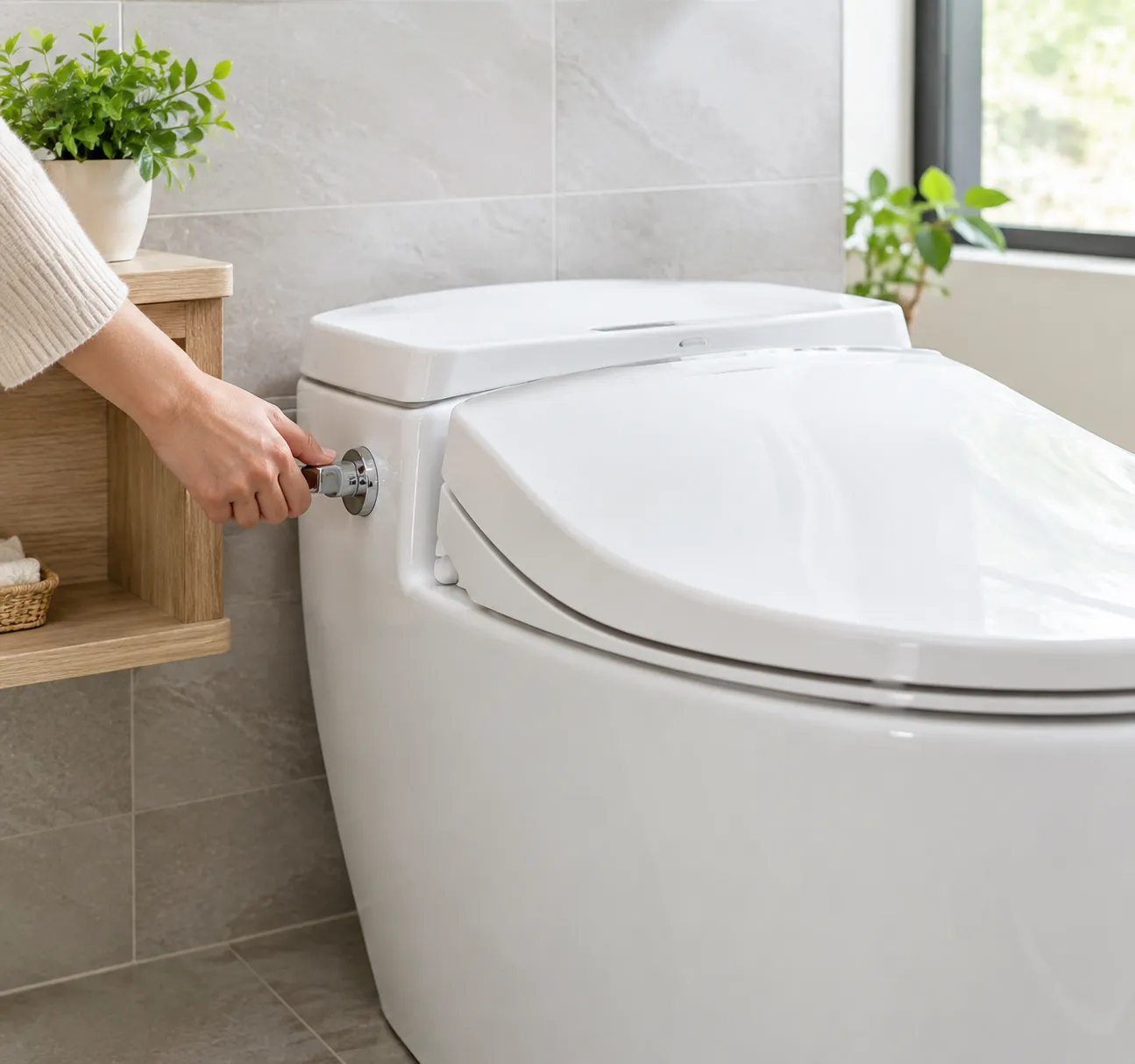
- Access Control: Flush levers must be easily reachable on the wide side of the toilet tank.
- Universal Usability: Chair height toilets naturally comply with ADA mandates, ensuring reliable accessibility for users with mobility challenges.
Comparing Toilet Height Options
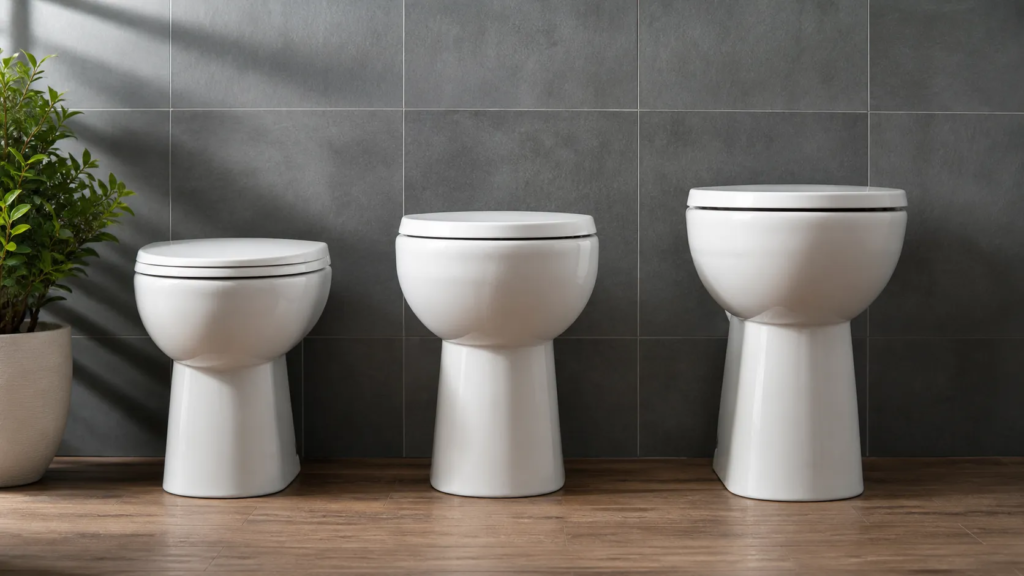
When we look at the heights of toilets across different bathroom setups, choosing the right fit comes down to comfort, accessibility, and daily convenience. We break down the primary toilet height choices below to help you find the perfect match for your space.
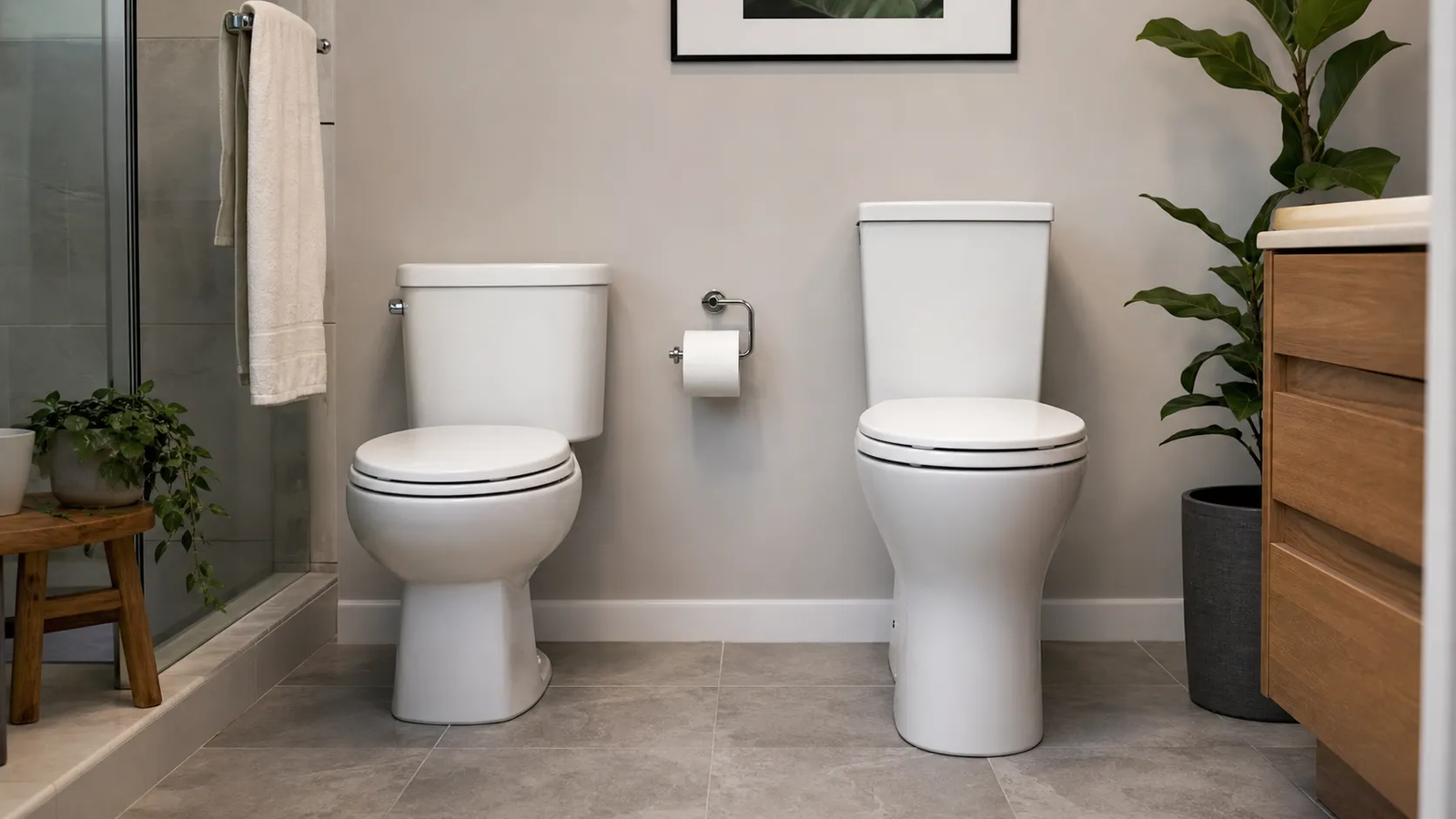
Standard Height vs. Comfort Height
The two main choices available today are standard height and comfort height options. Here is a quick breakdown of how they compare:
| Feature | Standard Height | Comfort Height |
|---|---|---|
| Seating Height | 15 to 16 inches | 17 to 19 inches |
| Best For | Children, shorter adults | Adults, taller individuals, seniors |
| Sitting Position | Slightly lower, natural squat | Elevated, feels like sitting in a standard chair |
| ADA Compliance | Generally no | Yes (most 17–19 inch models) |
Standard height is a reliable choice for family bathrooms used by kids, while comfort height minimizes joint strain when sitting down and standing up.
Wall-Mounted Toilets for Custom Heights
If standard preset dimensions do not fit your needs, wall-mounted designs offer total customization:
- Adjustable Installation: Mounted to in-wall frame studs, allowing you to set the seating height anywhere from 15 to 20 inches off the floor.
- Concealed Plumbing: The toilet tank is hidden inside the wall cavity, saving valuable floor space.
- Sleek Look: Creates a clean, modern aesthetic with no base sitting on the tile floor.
Specialty and Extra-Tall Toilets
For unique accessibility needs, specialty models provide specialized support:
- Extra-Tall Toilets: Reach 20 to 21 inches high, engineered specifically for individuals with severe mobility issues or knee and hip surgeries.
- Commercial and Heavy-Duty Models: Built with reinforced bases and specialized bowl designs for heavy-use environments.
How to Measure for Your New Toilet
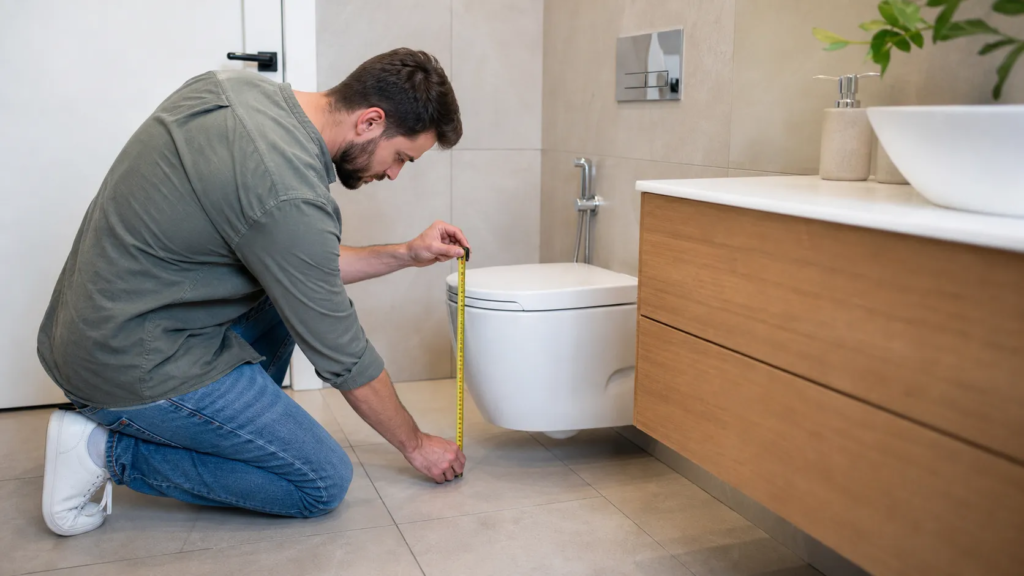
Getting the right fixture starts with accurate measurements. When evaluating the heights of toilets, measuring your space correctly ensures your replacement fits comfortably and aligns perfectly with your plumbing setup.
Measuring Bowl Height from the Floor
To determine the true bowl height of an existing toilet, measure straight from the base to the porcelain rim:
- Position the tape: Place the tape measure flat on the finished floor directly beside the toilet base.
- Measure to the rim: Extend the tape vertically to the top edge of the porcelain bowl.
- Identify your category: A standard height bowl measures 14 to 15 inches from the floor, whereas a comfort height bowl measures 16 to 17 inches.
Understanding Rough-In Dimensions
The rough-in measurement dictates whether your fixture and toilet tank will clear the wall properly.
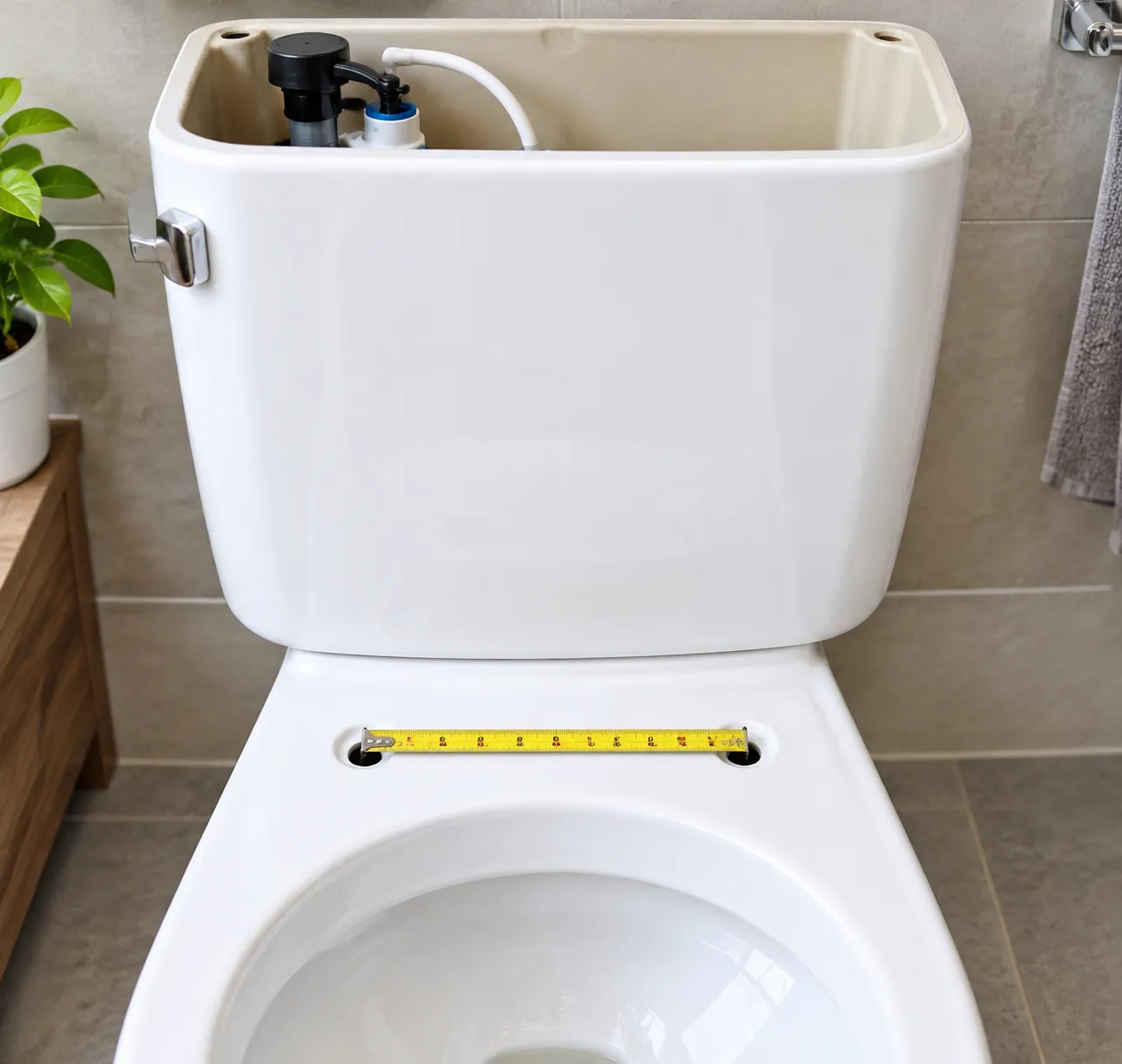
- Locate the bolts: Measure from the finished wall behind the toilet to the center of the floor bolts securing the base. Always measure from the wall itself, not the baseboard.
- Standard sizing: The standard rough-in distance is 12 inches, though some bathrooms require 10-inch or 14-inch configurations.
Factoring in Toilet Seat Thickness
Bowl height alone does not determine your final physical stance. You must calculate total seating height by adding the seat thickness.
- Average seat thickness: Standard toilet seats add an extra 1 to 1.5 inches to the overall rim measurement.
- Target total height: Adding a standard seat to a 16.5-inch bowl creates an overall seating height of 18 inches, providing optimal comfort for most adults.
How to Choose the Right Toilet Height
Finding the right heights of toilets for your project comes down to who uses the space and how it functions daily. We always recommend evaluating user needs, room layout, and design style before making a final selection.
Selecting Height Based on Age and Mobility Needs
Different user groups require specific seating height levels for optimal comfort and safety:
| User Group | Recommended Toilet Height | Key Benefit |
|---|---|---|
| Children & Shorter Adults | Standard height (14–15" bowl height) | Keeps feet flat on the floor, reducing strain on legs. |
| Seniors & Taller Adults | Comfort height (16.5–19" bowl height) | Eases knee and hip stress when sitting or standing. |
| Mobility-Impaired Users | Comfort height (ADA compliant 17–19") | Meets accessibility standards and pairs cleanly with safety rails. |
Matching Height with Bowl Shape and Style
Pairing bowl height with the right shape creates a comfortable, cohesive bathroom setup:
- Elongated Bowls: Pair exceptionally well with a comfort height frame to maximize thigh support and ergonomic comfort.
- Round Bowls: Work best with a standard height profile in compact powder rooms or children's bathrooms where space is limited.
- Tank Clearance: Check the clearance above your toilet tank to ensure high-profile models fit smoothly under low-hanging vanities or shelving.
Buying Considerations for Multi-User Bathrooms
When outfitting a shared family bathroom or commercial space, versatility is essential:
- Choose a versatile middle ground: A 16-inch bowl height serves a broad range of household members comfortably.
- Incorporate step stools: If you install taller toilets for adults, keep a sleek stool handy for younger children.
- Consider wall-mounted units: Wall-hung models let you set a custom mounting height to suit unique multi-user requirements.