What Is a Smart Toilet?
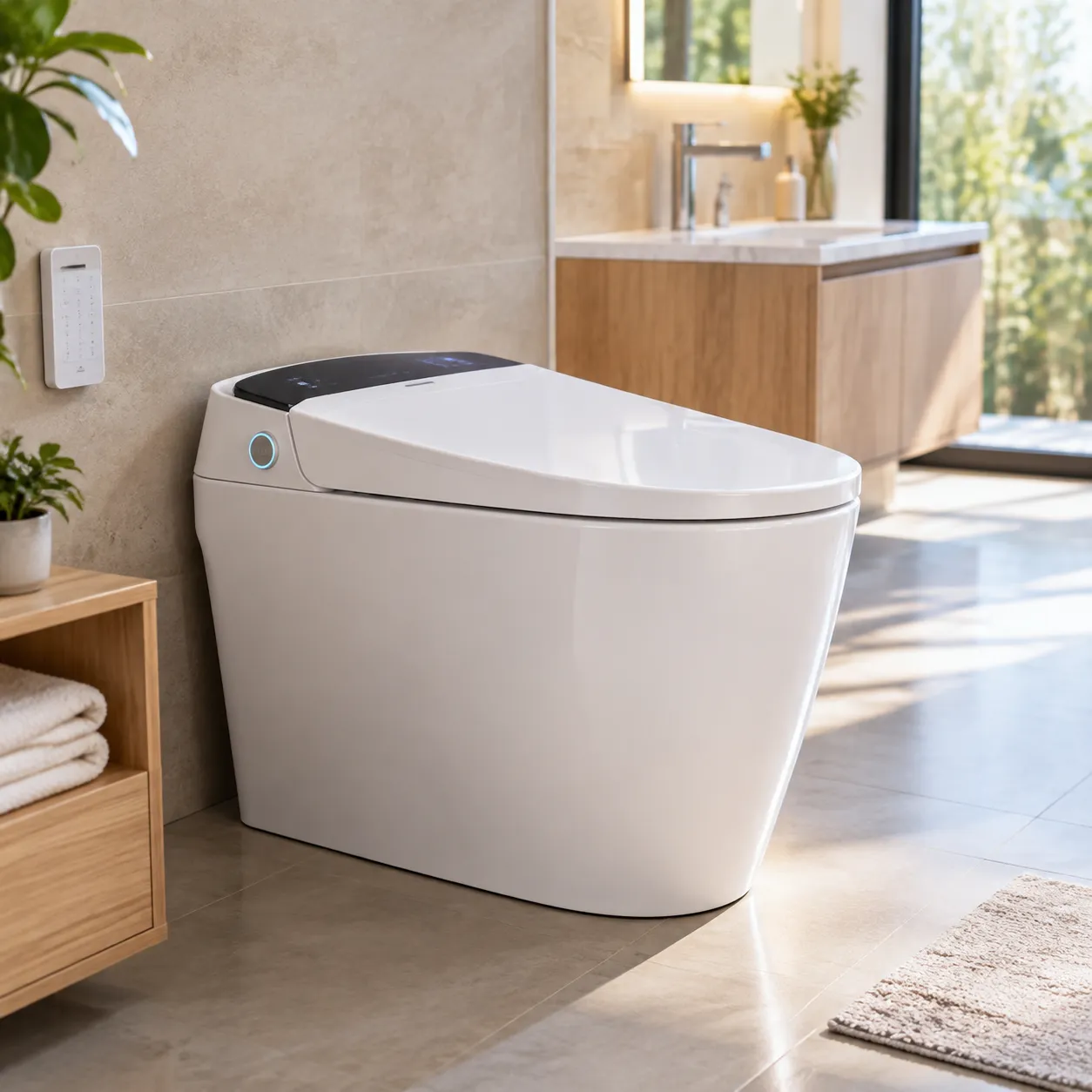
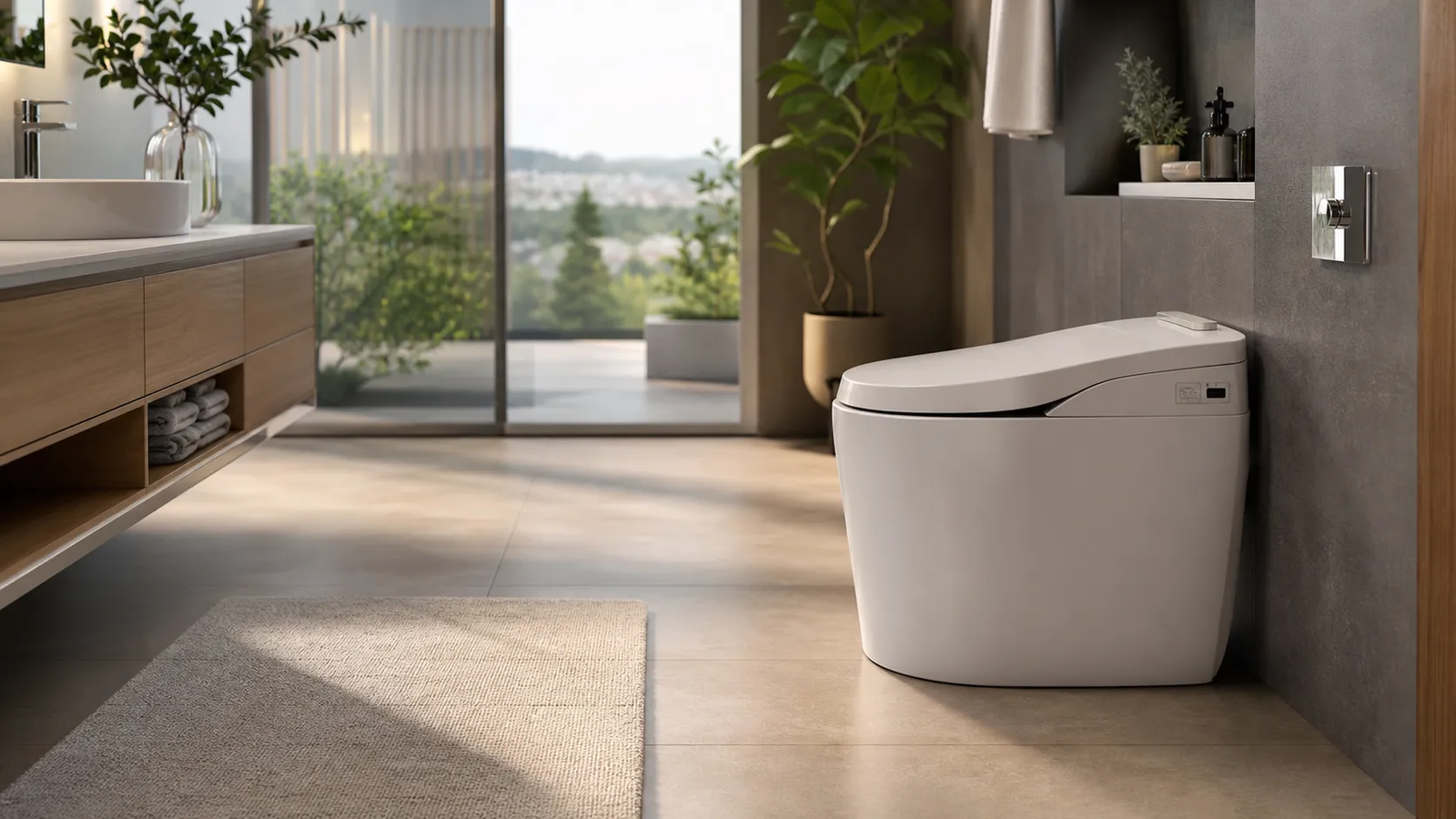
A smart toilet is an advanced sanitary fixture that integrates electronic technology into traditional porcelain plumbing. Designed to elevate modern personal hygiene, this premier bathroom upgrade combines automated washing, climate control, and hands-free operation into a single cohesive unit. As home automation expands globally, consumers searching for superior comfort and hygiene continually evaluate: are smart toilets worth it?
How Smart Toilets Work
Smart toilets connect directly to a standard water line and standard electrical connection. Internal microprocessors receive commands via remote controls, side panels, or proximity sensors to orchestrate various functions seamlessly:
- Integrated Heating Modules: Tankless ceramic heaters rapidly warm water on demand for continuous wash cycles.
- Proximity Sensors: Infrared detectors signal automatic lid opening, auto-flushing, and foot-touch controls.
- Air Circulation: High-efficiency blowers direct airflow through carbon deodorizing filters and customized air ducts.
Smart Toilets vs. Traditional Toilets
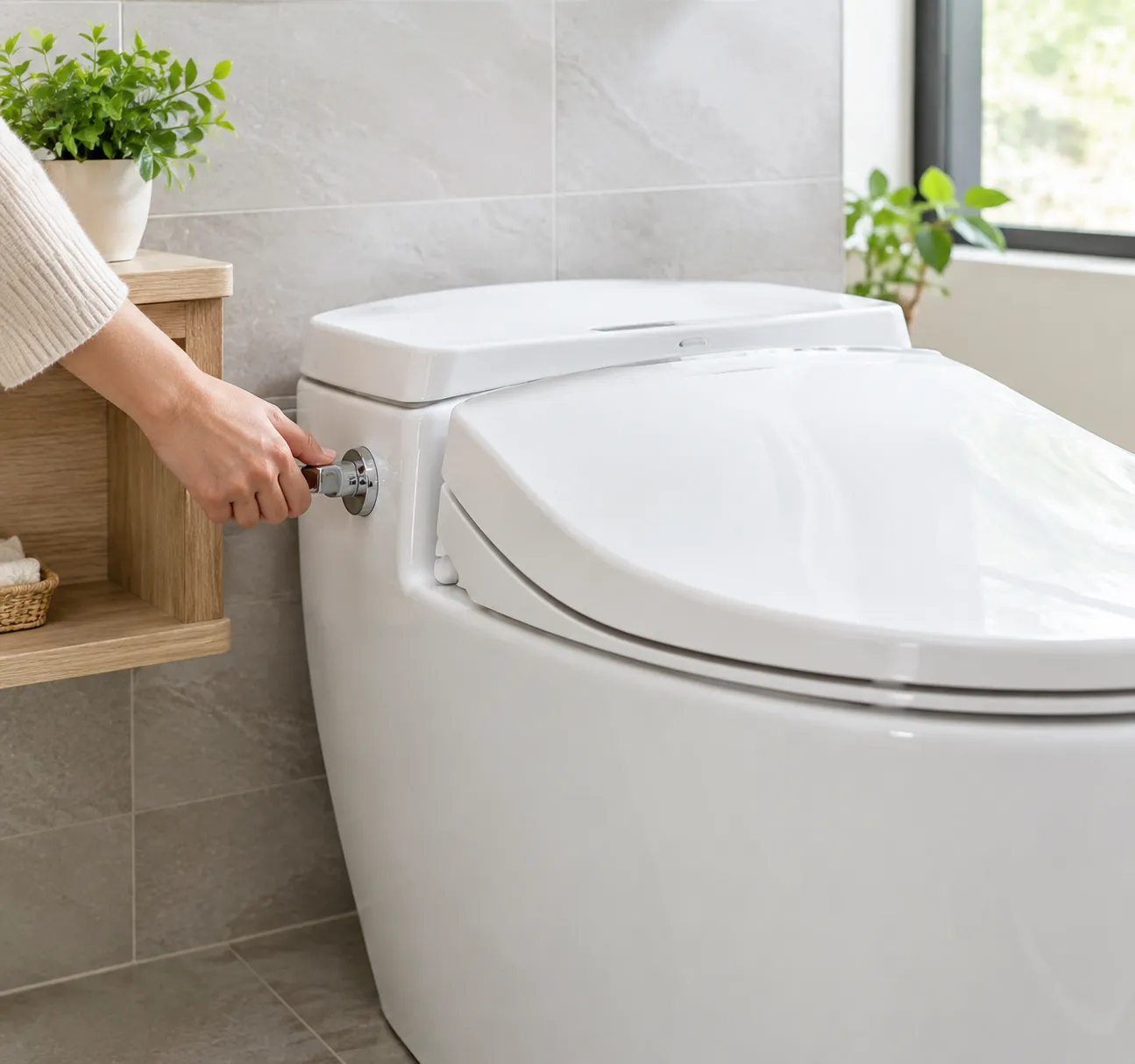
Traditional toilets depend strictly on mechanical gravity valves and toilet paper. Smart toilets replace these manual processes with automated, customizable personal care.
| Feature | Traditional Toilet | Smart Toilet |
|---|---|---|
| Flush Mechanism | Manual handle / trip lever | Sensor-based touchless auto-flush |
| Personal Hygiene | Standard dry paper | Multi-angle wash with self-cleaning function |
| Comfort Features | Ambient temperature seat | Multi-stage heated seat & warm air dryer |
| Maintenance | Manual scrubbing required | UV sterilizing and antimicrobial nozzle rinses |
Smart Toilets vs. Add-On Bidet Seats
While add-on bidet attachments bolt onto existing porcelain bowls, complete smart toilets offer an all-in-one architecture designed for maximum performance.
- Seamless Design: Smart toilets hide plumbing connections and power cords internally, eliminating the bulky look and overhang of retrofitted seats.
- Flushing Power: Built-in dual-flush rim jets deliver cleaner bowl rinses than traditional gravity tanks fitted with bidet attachments.
- System Integration: Built from the ground up, integrated units feature unified electronics for higher durability and direct smart-home connectivity.
Key Features and Technologies of Smart Toilets
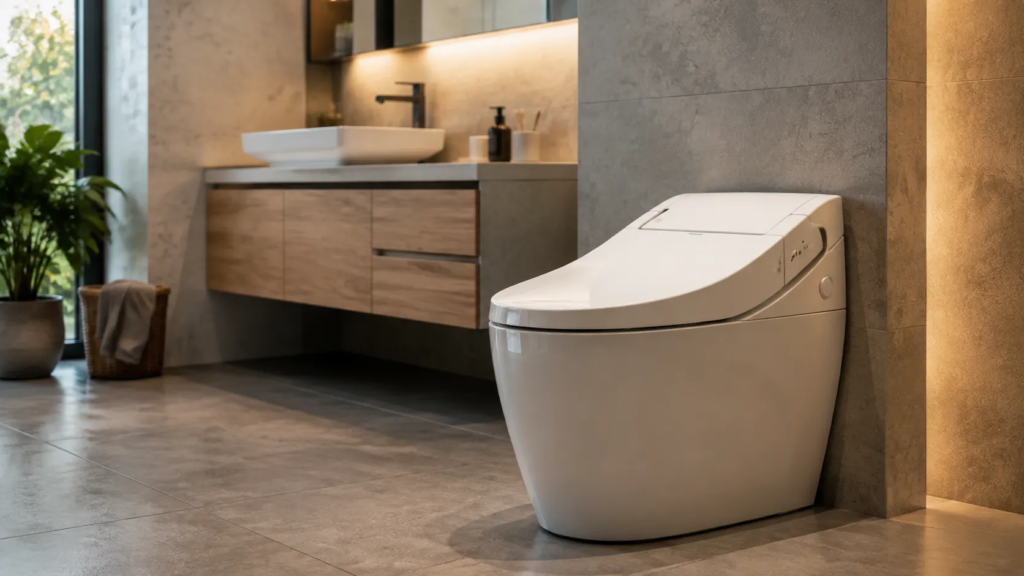
When evaluating whether smart toilets are worth it, the decision comes down to the core technology built into the fixture. I have managed and curated modern bathroom upgrade projects globally, and these four feature sets consistently drive user satisfaction.
Bidet Functions and Water Temperature Controls
- Adjustable Cleansing Modes: Precision nozzles offer front, rear, oscillating, and pulsating spray options.
- Instant Water Heating: Ceramic heating systems deliver continuous warm water without waiting.
- Customizable Pressure: Fine-tuned pressure settings ensure maximum personal comfort and hygienic performance.
Heated Seats and Warm Air Dryers
- Ergonomic Heated Seat: Multi-level temperature controls keep the surface comfortable year-round while keeping overall energy consumption low.
- Integrated Warm Air Dryer: Adjustable airflow drastically reduces or eliminates toilet paper usage, giving you a completely hands-free clean.
Touchless Operation and Auto-Flushing
- Motion Sensors: Lids open automatically as you approach and close when you leave to eliminate surface contact.
- Smart Auto-Flush: Sensor-based flushing senses usage time to deliver the precise amount of water needed, lowering overall consumption.
- Foot Kick Sensors: Convenient tap-to-flush or tap-to-open options offer quick operation without bending down.
Self-Cleaning and Deodorizing Capabilities
- Self-Cleaning Function: Electrolyzed water pre-misting and UV light sterilization keep the bowl and nozzle hygienic automatically.
- Active Deodorization: Powerful carbon filters pull air from the bowl to eliminate odors before they enter the room.
| Feature Category | Core Advantage | Practical Value |
|---|---|---|
| Bidet & Temperature Control | Superior personal hygiene | Saves money on paper products |
| Heated Seat & Warm Air Dryer | All-season comfort | Reduces environmental waste |
| Touchless Auto-Flush | Zero-touch hygiene | Saves water on every flush |
| Self-Cleaning System | Automatic sterilization | Reduces manual scrubbing time |
Pros and Cons of Owning a Smart Toilet
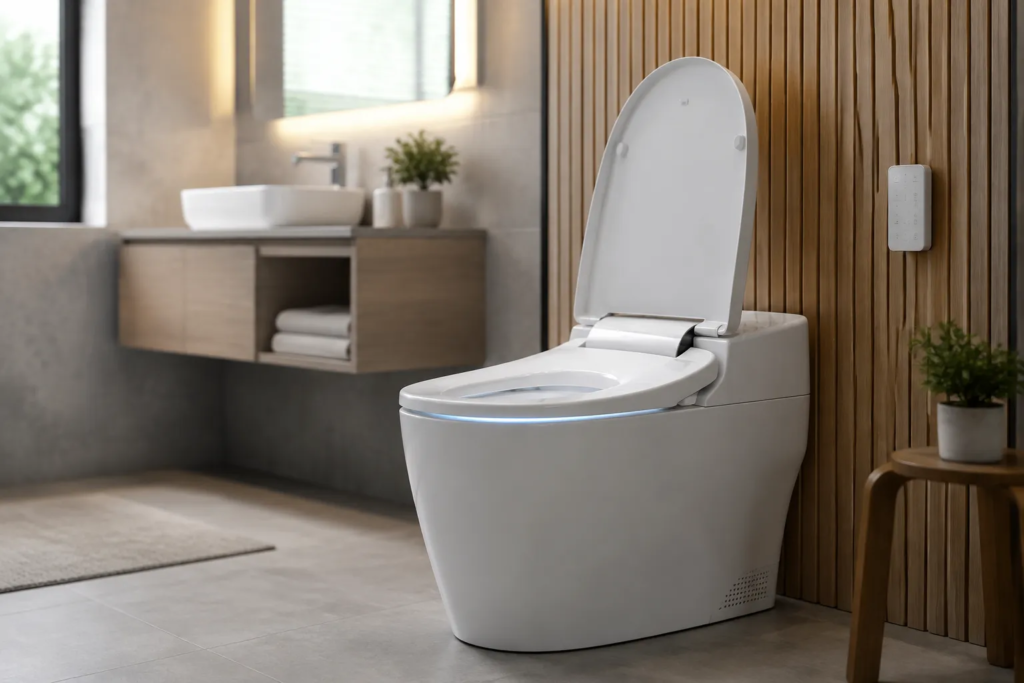
When customers ask me if smart toilets are worth it, I point them to a clear breakdown of the practical trade-offs. Investing in this kind of bathroom upgrade elevates your daily routine, but weighing the immediate benefits against the long-term realities ensures you make the right choice for your home.
Major Benefits: Hygiene, Comfort, and Sustainability
Smart toilets transform standard personal care into an effortless, high-comfort experience.
- Superior Hygiene: Hands-free washing provides a far more thorough clean than traditional tissue, improving overall skin health.
- Everyday Comfort: A built-in heated seat and customizable warm air dryer deliver immediate relaxation and comfort in any season.
- Automatic Sanitation: An integrated self-cleaning function uses specialized rinsing tech or UV sanitization to keep the bowl fresh without constant scrubbing.
- Eco-Friendly Performance: Drastically reduces toilet paper waste while optimizing energy consumption through automated power-saving modes.
Key Drawbacks: Price Tag, Power Dependency, and Repair Costs
While the perks are clear, the higher investment and technical requirements demand careful consideration.
| Drawback | Real-World Impact | What You Need to Know |
|---|---|---|
| High Price Tag | Premium investment | Purchase costs are higher upfront, often requiring dedicated plumbing and electrical setup. |
| Power Dependency | Needs electrical access | Features require an outlet nearby; power outages may require emergency manual flush backups. |
| Higher Repair Costs | Specialized maintenance | Advanced circuit boards and motors require trained technicians and brand-specific replacement parts. |
Cost, Installation, and Maintenance: Are Smart Toilets Worth It?
When evaluating if a bathroom upgrade pays off, we look directly at upfront costs, setup requirements, and long-term upkeep. Smart toilets require a higher initial investment than traditional fixtures, but understanding the breakdown helps determine if the features justify the price.
Average Price and Cost Factors
The overall cost depends heavily on built-in tech, brand tier, and feature complexity.
| Tier | Price Range | Included Features |
|---|---|---|
| Entry-Level | $500 – $1,200 | Basic bidet spray, heated seat, soft-close lid, manual controls |
| Mid-Range | $1,200 – $3,000 | Warm air dryer, auto-flushing, remote control, adjustable water temp |
| Luxury | $3,000 – $8,000+ | Self-cleaning function, UV sanitization, foot sensors, custom user profiles |
Main cost drivers include integrated dual-flush pumps, advanced filtration, and motorized lids.
Plumbing and Electrical Installation Requirements
Installing an integrated smart unit requires more than basic plumbing tools. In our installation projects, we account for two core infrastructure needs:
- Dedicated Electrical Outlet: Requires a standard 110V/120V GFCI outlet installed within 3 feet of the toilet base.
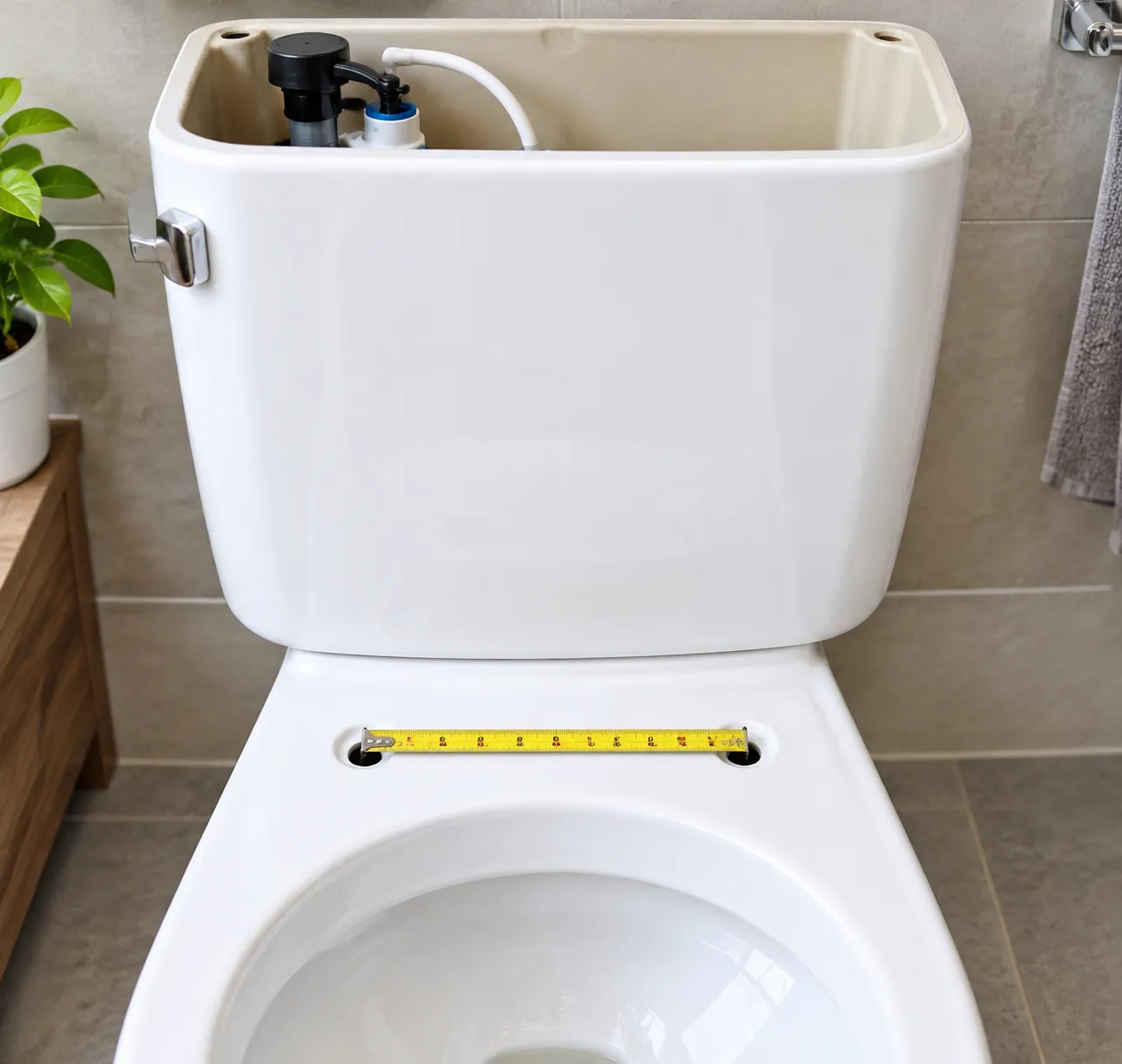
- Plumbing Alignment: Fits standard 12-inch rough-in dimensions, though back-to-wall or wall-hung models may require concealed tanks and structural framing.
- Water Supply Pressure: Needs a minimum water line pressure (usually 20 to 35 PSI) for smooth bidet and flush operation.
- Professional Labor Fees: Licensed electrician and plumber installation costs typically range from $300 to $800, depending on existing outlet proximity.
Ongoing Maintenance and Repair Costs
To decide if smart toilets are worth it over time, factor in recurring operational costs alongside the purchase price.
- Energy Consumption: Keeps seats and water warm 24/7, adding roughly $15 to $45 annually to your electricity bill (eco-modes help lower this).
- Consumables: Water filters and carbon deodorizing blocks require replacement every 6 to 12 months, costing $20 to $60 per year.
- Water Savings: Efficient dual-flush systems reduce annual water bills, offsetting a portion of the energy usage.
- Out-of-Warranty Repairs: Electronic control boards and solenoids cost significantly more to repair or replace than traditional rubber flappers and fill valves.
Lifespan and Reliability: How Long Do Smart Toilets Last?
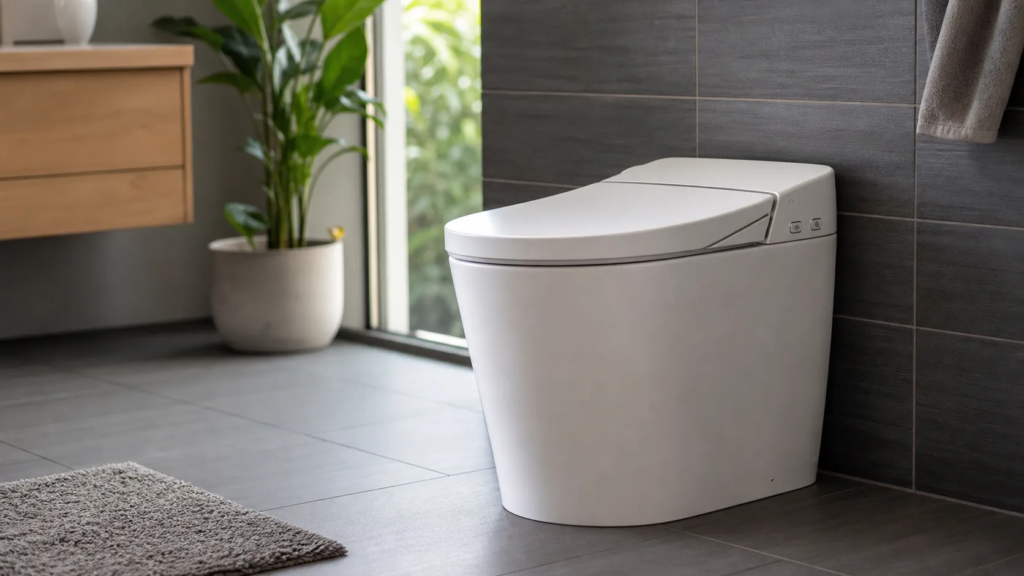
When evaluating if are smart toilets worth it for the long haul, understanding their expected lifespan is crucial. Unlike basic plumbing fixtures, smart toilets combine heavy-duty ceramics with microchips and electrical motors, meaning their longevity depends on both mechanical and digital parts.
Smart Toilets vs. Traditional Toilet Lifespan
- Traditional Toilets: The porcelain body can easily last 20 to 50+ years. Internal mechanical valves usually last 5 to 10 years and cost very little to swap out.
- Smart Toilets: The ceramic base lasts decades, but the integrated electronic modules—including the heated seat, motorized lids, and water pumps—typically have a lifespan of 6 to 10 years.
- The Reality: When planning a bathroom upgrade, treat a smart toilet more like a major home appliance (like a dishwasher or washing machine) rather than a simple piece of porcelain.
Key Factors Affecting Durability
- Water Quality: Hard water and mineral buildup are the primary causes of clogged bidet spray nozzles and damaged internal valves.
- Electrical Stability: Voltage spikes or unstable power feeds can prematurely fry internal circuit boards.
- Cleaning Methods: Harsh, abrasive chemicals degrade plastic housings, damage anti-bacterial coatings, and deteriorate internal seals.
- Daily Household Traffic: High-use family bathrooms place more operational stress on auto-opening lids, sensors, and flush motors.
Tips to Extend Your Smart Toilet’s Lifespan
- Install Inline Water Filters: Block sediment and calcium from entering and clogging delicate internal water lines.
- Use Surge Protection: Ensure the unit is plugged into a dedicated GFCI outlet equipped with surge protection to safeguard sensitive electronics.
- Clean with Mild Solutions: Use soft microfiber cloths and mild soap to protect electronic sensors and preserve the self-cleaning function surface coatings.
- Replace Filters on Schedule: Swap out inline water filters and carbon deodorizers every 6 to 12 months to keep pumps and fans running smoothly.
Verdict: Are Smart Toilets Worth It?
In my experience running a modern home fixtures platform, the short answer is yes—smart toilets are worth it if you prioritize hygiene, daily comfort, and long-term convenience. While the upfront investment is higher than a standard fixture, the daily luxury of a heated seat, hands-free flushing, and reduced reliance on toilet paper makes it one of the most impactful home additions you can make. It transforms a purely practical space into an elevated daily experience.
Who Will Benefit Most From a Smart Toilet
A smart unit isn't just a gimmick; it’s a functional bathroom upgrade designed for specific lifestyle needs:
- Seniors & People with Limited Mobility: Hands-free operation and automatic washing restore independence without requiring physical strain.
- Eco-Conscious Households: Drastically lower toilet paper usage reduces overall household waste, while smart water controls minimize unnecessary consumption.
- Busy Families: Integrated deodorizers and a powerful self-cleaning function mean far less time spent scrubbing the bowl.
- Comfort Seekers: Anyone wanting a high-end experience will appreciate customizable water temperatures, target sprays, and an integrated warm air dryer.
Key Questions to Ask Before You Buy
Before pulling the trigger, evaluate your current setup and personal preferences using this quick breakdown:
| Factor | Key Questions to Ask |
|---|---|
| Electrical Supply | Is there a dedicated GFCI outlet near the commode, or will you need to hire an electrician? |
| Feature Needs | Do you need full automation, or are a basic bidet function and a heated seat enough? |
| Energy & Utility Costs | Are you comfortable with a slight shift in energy consumption to run continuous warming features? |
| Space & Fit | Have you measured your rough-in distance and surrounding space to ensure a seamless installation? |
Aligning your actual daily habits with the right feature set ensures you get the absolute maximum value out of your purchase.