Overview
What Is a Smart Tankless Toilet and How Does It Work?
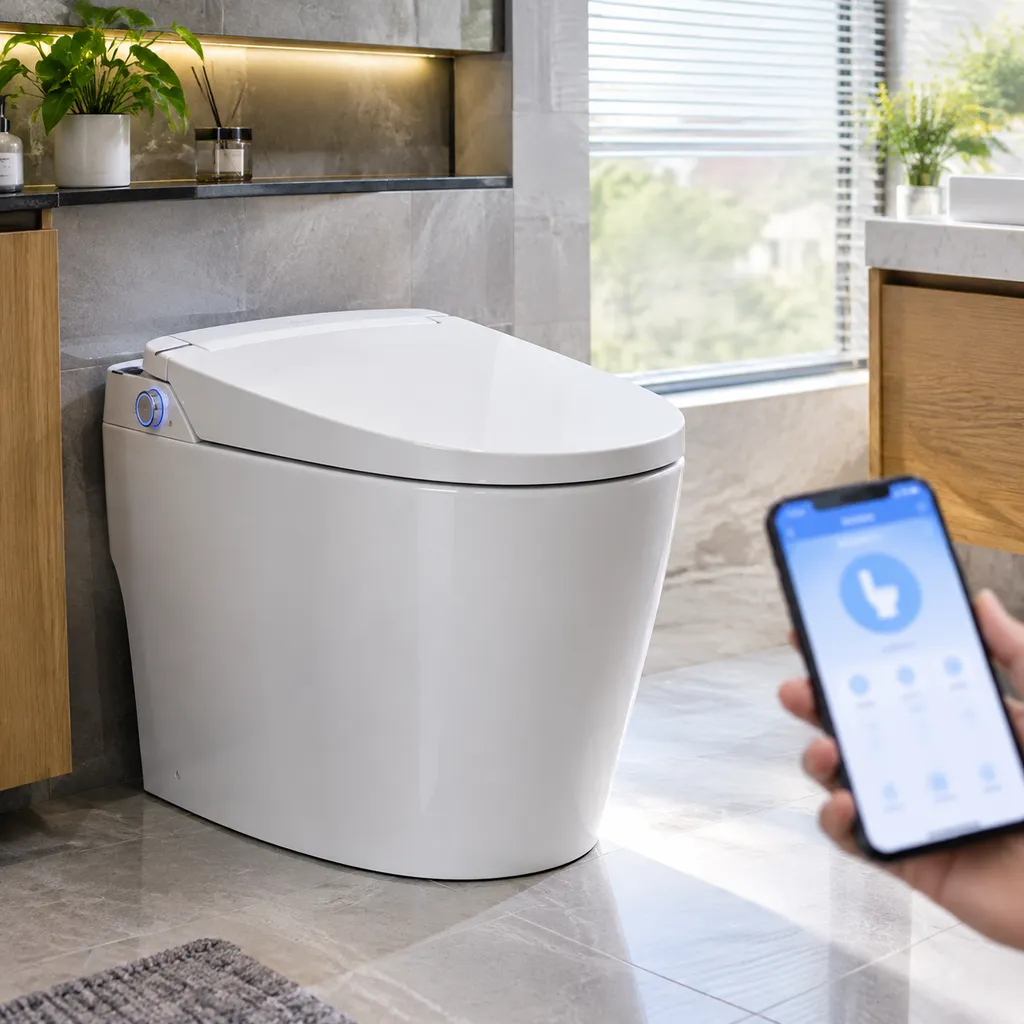
A smart tankless toilet is an advanced sanitary fixture that eliminates the traditional ceramic water tank, connecting directly to your home's water supply. By integrating intelligent electronic components, integrated sensors, and motorized valves, it provides automated personal hygiene and high-performance flushing within a compact, modern form factor.
How Tankless Direct-Flush Technology Operates
Instead of relying on gravity-fed water stored in an elevated tank, a tankless toilet utilizes a high-precision direct-flush mechanism powered by line pressure and electric solenoid valves.
- Direct Water Supply: Connects straight to the main water line, drawing high-volume water instantly without requiring a reservoir refill cycle.
- Electronically Controlled Siphon Jet: Electronic sensors trigger a motorized valve that releases pressurized water directly into the bowl rim and jet channels.
- Instantaneous Cycle: Delivers a complete, powerful siphon and washdown flush in seconds, enabling immediate back-to-back flushes without waiting for a tank to fill.
Key Differences Between Tankless and Traditional Toilets
| Feature | Smart Tankless Toilet | Traditional Gravity Toilet |
|---|---|---|
| Water Delivery | Direct high-pressure line connection | Water stored in a separate ceramic tank |
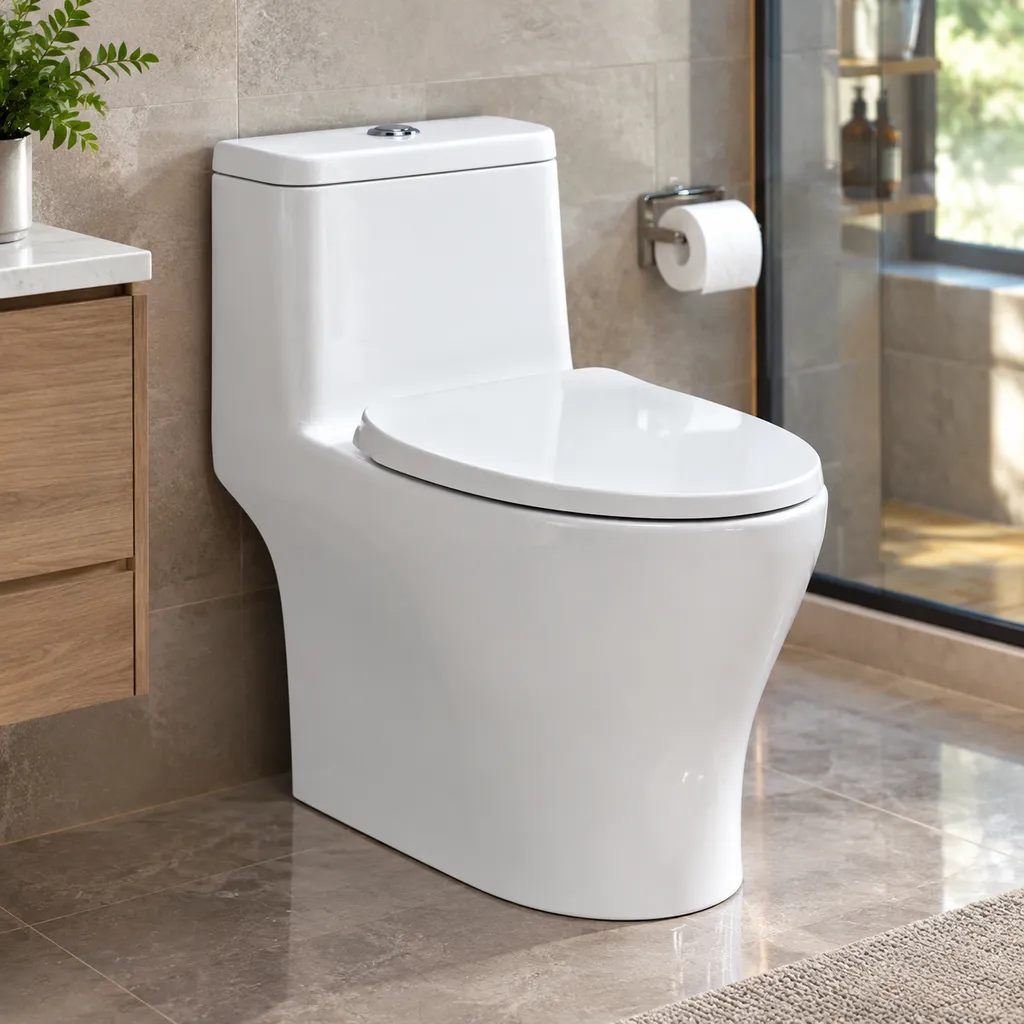
| Footprint | Compact, space-saving design | Bulky back tank extends outward |
| Flush Activation | Touchless sensors, remotes, or foot triggers | Manual flush lever or top push-button |
| Refill Time | Instantaneous; ready immediately | 30 to 90 seconds to refill the tank |
| Hygiene Features | Built-in bidet wands, warm air dryers, auto-cleaning | Basic manual bowl; requires add-on accessories |
| Power Needs | Requires dedicated electrical outlet | Operates mechanically without power |
Essential Features of Modern Smart Tankless Toilets
When we design modern bathroom solutions, our goal is simple: eliminate clutter while maximizing comfort and hygiene. A premium smart tankless toilet combines direct-line water delivery with intelligent automation, turning a standard fixture into a fully personalized wellness station.
| Smart Feature | Primary Benefit | Key Function |
|---|---|---|
| Touchless Automation | Maximum hygiene | Auto lid opening, closing, and foot sensor flush |
| Integrated Bidet & Dryer | Zero paper waste | Adjustable warm water wash with warm air dryer |
| Instant Heated Seat | Year-round comfort | Multi-level temperature controls with energy saver mode |
| UV Self-Sanitization | Effortless maintenance | Pre-mist bowl rinsing, self-cleaning wand, UV light sterilization |
Hands-Free Convenience: Auto Open/Close Lids and Foot Sensors
Complete touchless operation is the baseline standard for our smart tankless toilet designs. Built-in proximity sensors detect your approach, lifting the lid smoothly without requiring physical contact.
- Motion Detection: The lid opens automatically as you walk up and closes after you step away.
- Foot Sensor Flush: A quick tap of your foot near the base activates both seat lifting and flushing, offering total hands-free convenience without bending over.
- Automatic Deodorizer: Built-in carbon air filters activate instantly upon sitting, neutralizing odors right inside the bowl.
Integrated Bidet Functions and Warm Air Dryers
We build our smart tankless toilets with advanced wash systems that deliver customized cleanliness on demand. Integrated nozzles supply instant, continuous warm water directly from your line without relying on a bulky reservoir.
- Custom Spray Modes: Switch easily between posterior wash, gentle feminine wash, and oscillating pulse modes.
- Precision Control: Adjust water pressure and spray positioning directly via remote control or side panel.
- Warm Air Dryer: An adjustable multi-speed warm air dryer finishes the cycle, drastically reducing or eliminating toilet paper usage.
Heated Seats and Adjustable Temperature Settings
Cold mornings are never an issue with built-in instant thermal seating. Our units deliver consistent, even heating across the entire seat contour.
- Multi-Level Heat Presets: Tailor your preferred seat warmth across multiple temperature settings.
- Eco-Mode Efficiency: Smart sensors learn your usage habits to lower seat temperature during inactive hours, cutting down standby power draw.
- User Memory Profiles: Save your favorite heat, water, and dryer settings for single-touch access.
Self-Cleaning Wands and UV Sanitization Systems
Keeping your bathroom pristine should not require constant manual scrubbing. A high-grade smart tankless toilet uses automated dual-stage sanitation to stay spotless after every single use.
- Pre-Misting Bowl Surface: A light layer of water mists the ceramic bowl before use, preventing waste from sticking to the glaze.
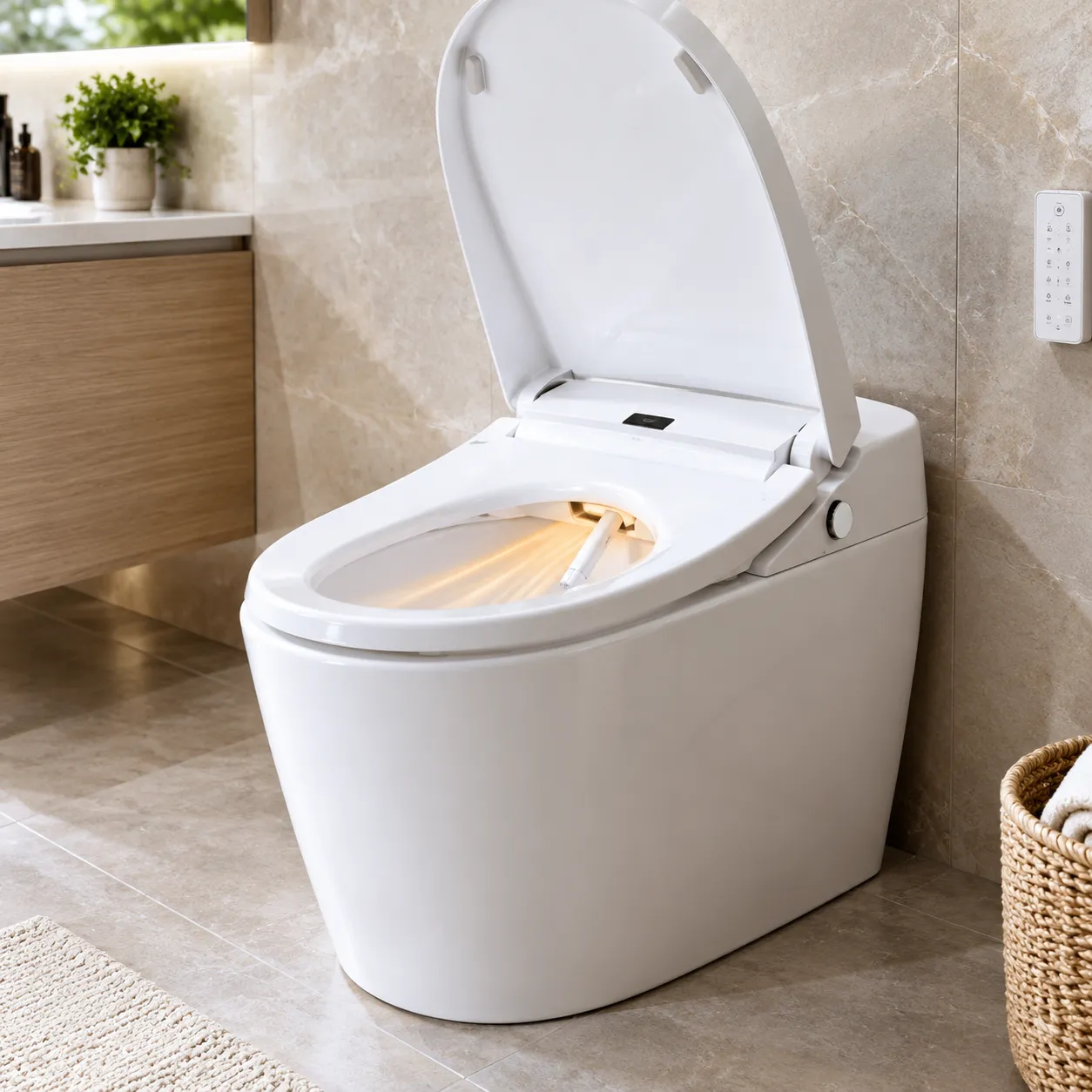
- Self-Cleaning Wand: The bidet wand automatically flushes its nozzle with fresh water before extending and after retracting.
- UV Sanitization: Integrated ultraviolet lights sanitize the wand nozzle and bowl interior during idle periods, eliminating bacteria and mineral buildup automatically.
Benefits of Installing a Smart Tankless Toilet
Upgrading to a smart tankless toilet transforms your bathroom into a cleaner, more efficient, and modern space. By connecting directly to the water supply and eliminating the bulky rear tank, these units deliver advanced comfort and high performance in a compact footprint.
Sleek, Space-Saving Design for Contemporary Bathrooms
Traditional ceramic tanks take up valuable room and create hard-to-reach spots that collect dust and grime. A tankless setup streamlines the entire room layout.
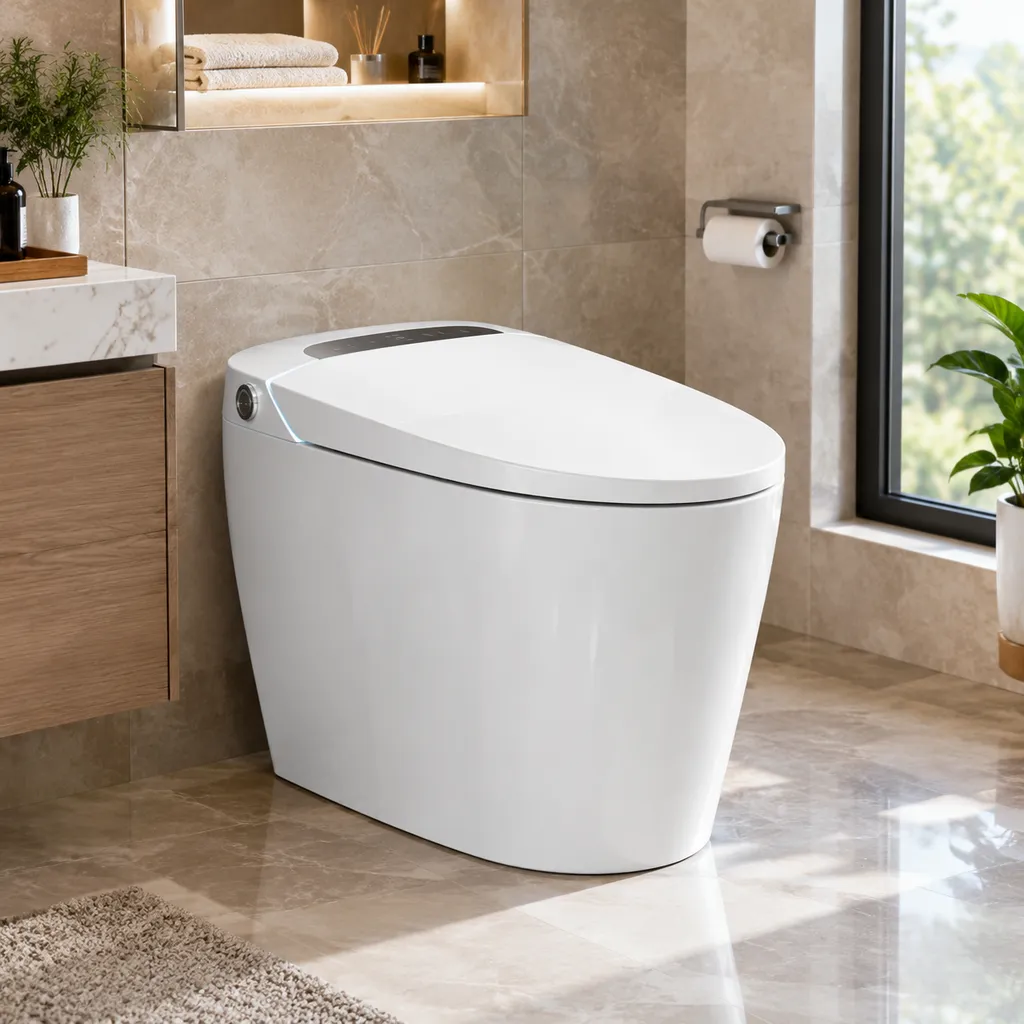
- Streamlined Profile: The direct-supply configuration leaves a low, clean silhouette that matches modern interior designs.
- Space-Saving Design: Frees up floor and wall clearance, making it ideal for both compact powder rooms and spacious master bathrooms.
- Effortless Cleaning: Without a tank in the way, wiping down exterior surfaces and surrounding floor areas takes seconds.
Enhanced Personal Hygiene and Touchless Operation
Smart units upgrade your daily routine by minimizing physical contact with bathroom surfaces and improving personal cleansing.
- Touchless Operation: Built-in motion sensors automatically open the lid when you approach and close it when you step away.
- Foot Sensor Flush: Quick foot-activated sensors allow for completely hands-free flushing.
- Bidet Cleansing: Multi-mode water spray wands deliver thorough, gentle personal washing.
- Warm Air Dryer: Integrated drying systems significantly cut down on the need for toilet paper.
- Automatic Deodorizer: Built-in air filtration neutralizes odors immediately to keep your space fresh.
High Water Efficiency and Eco-Friendly Performance
Direct-flush technology relies on direct line pressure to clear the bowl efficiently without wasting excess water.
| Key Factor | Smart Tankless Toilet | Traditional Tank Toilet |
|---|---|---|
| Room Footprint | Compact, modern space-saving design | Bulky rear tank limits usable area |
| Hygiene Level | Touchless operation with auto lid and bidet wash | Manual lever and standard paper cleaning |
| Flush Control | Auto-flush and hands-free foot sensor flush | Manual handle activation |
| Paper Reduction | Minimized usage with built-in warm air dryer | High continuous paper consumption |
| Odor Control | Active automatic deodorizer filtration | Relies on room ventilation |
By eliminating wasteful tank refills and reducing household paper consumption, installing a smart tankless toilet offers a reliable, eco-conscious upgrade for modern living.
Potential Drawbacks and Limitations to Consider
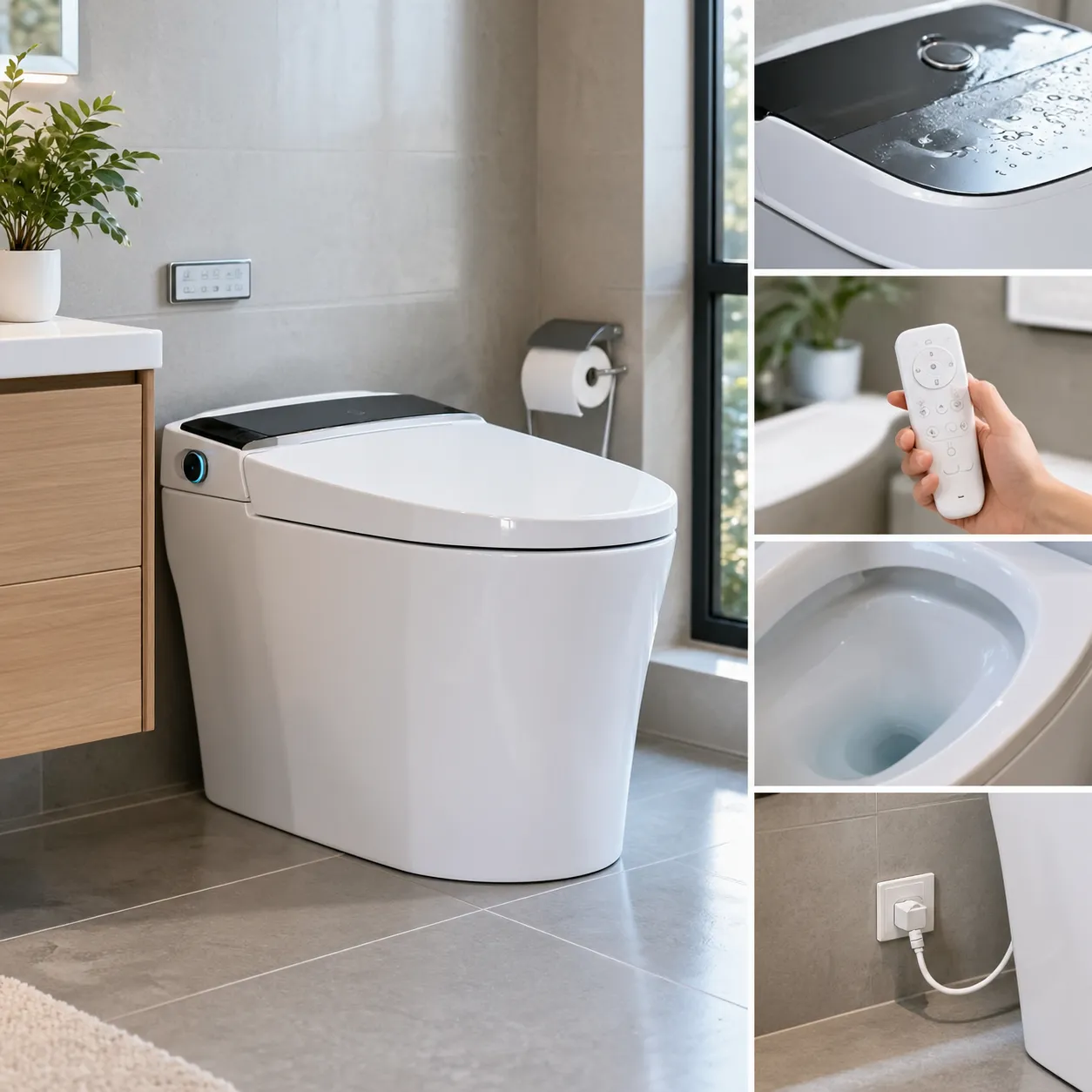
While a smart tankless toilet delivers premium comfort and a modern look, it introduces specific technical requirements that do not apply to conventional fixtures. We always advise homeowners to evaluate these factors before buying.
| Limitation | Impact | Solution |
|---|---|---|
| Water Pressure | Direct-line flushing requires strong dynamic flow | Verify line pressure or install a booster pump |
| Power Dependency | Smart bidet features and sensors need electricity | Install a dedicated GFCI outlet near the toilet |
| Initial Investment | Higher unit and installation labor expenses | Plan budget for plumbing and electrical upgrades |
Home Water Pressure Requirements
Tankless units pull water directly from the main supply line rather than storing it in a tank. If your home has low dynamic water pressure:
The flush performance drops significantly, leading to incomplete waste evacuation.
Minimum pipe sizing (typically a standard 1/2-inch or 3/4-inch line with steady PSI) is mandatory.
Older plumbing systems often require a pressure test or a dedicated booster pump before installation.
Dependence on Electrical Outlets and Power Supply
Every automated feature—from the warm air dryer and automatic deodorizer to heated seating—relies on steady electrical current.
Outlet proximity: You must have a grounded GFCI electrical outlet installed close to the base of the toilet.
Outages: During a blackout, advanced features like touchless operation and the foot sensor flush stop working unless the unit includes a built-in emergency backup battery or a manual flush override.
Higher Upfront Cost and Complex Installation
A quality smart tankless toilet requires a higher initial investment than a standard ceramic commode. The installation process typically involves:
Specialized plumbing to match precise inlet requirements.
Electrical retrofitting if your existing bathroom layout lacks a nearby power source.
Professional installation to prevent warranty invalidation and ensure watertight, code-compliant connections.
Buyer's Guide: How to Choose the Best Smart Tankless Toilet
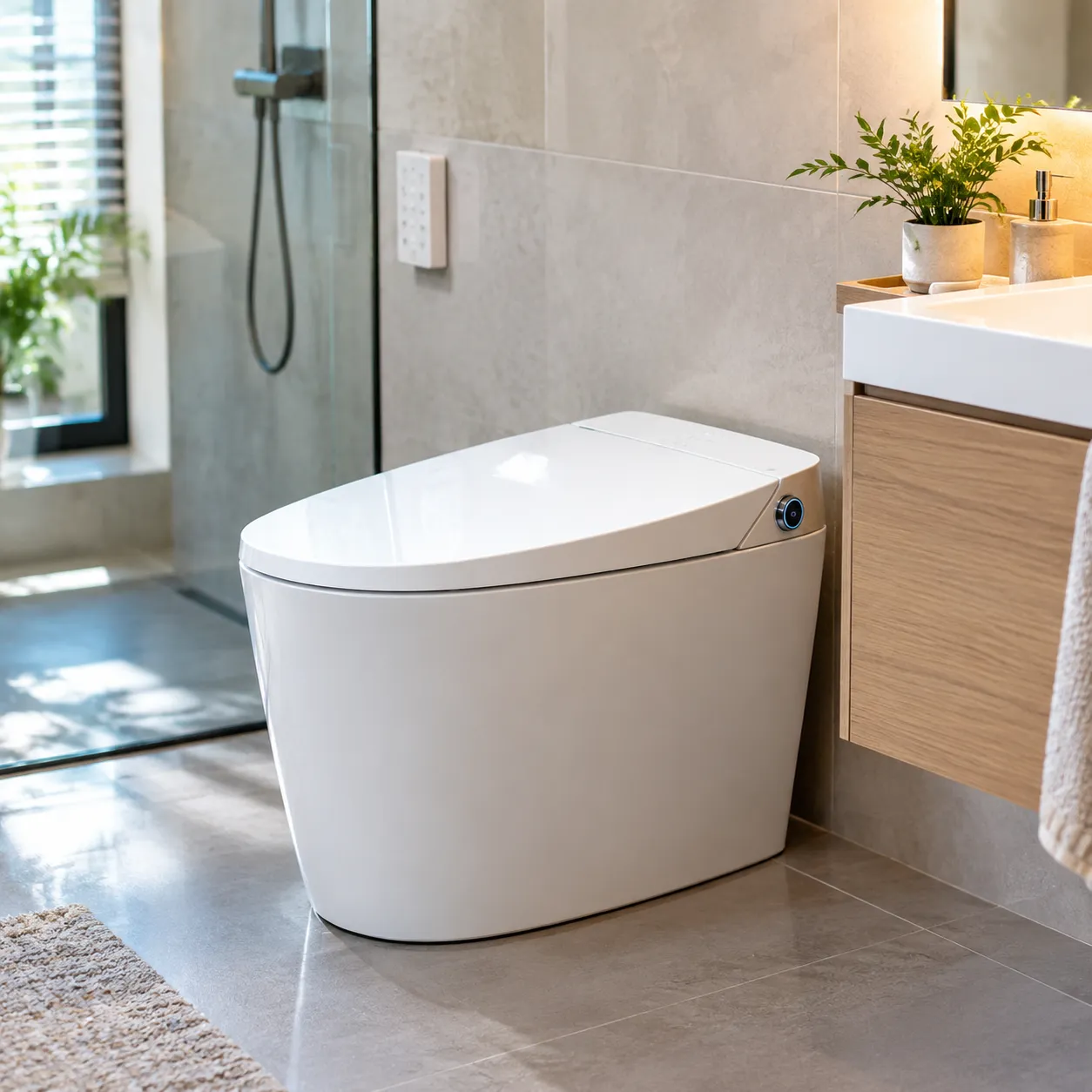
Finding the right smart tankless toilet comes down to matching your bathroom's structural capacity with the everyday convenience you expect. Because these fixtures replace traditional gravity tanks with direct-feed mechanisms and integrated electronics, we always recommend evaluating your space before picking a specific design.
Assessing Your Bathroom's Plumbing and Electrical Setup
Before buying, verify that your bathroom meets the technical baseline required for a direct-feed system:
- Static and Dynamic Water Pressure: Tankless models rely on immediate line pressure rather than stored water. Most units require a minimum flow rate of roughly 0.05 to 0.1 MPa (around 15 to 20 PSI dynamic pressure) to guarantee a clean siphon flush.
- Dedicated GFCI Outlet: You need a grounded, water-resistant 110V–120V outlet placed within three to four feet of the unit. Avoid extension cords to prevent voltage drops and safety hazards.
- Rough-In Measurements: Standard installations require a 12-inch rough-in distance from the finished wall to the center of the drain flange, though some spaces may require a 10-inch or 14-inch configuration.
- Supply Line Sizing: Ensure your incoming shutoff valve and supply lines match the manufacturer’s recommended diameter (typically 1/2-inch or 3/4-inch) to prevent pressure bottlenecks.
Comparing Must-Have vs. Luxury Smart Features
Every smart tankless toilet provides core bidet washing, but higher-tier models introduce intuitive automation that enhances hands-free operation and comfort.
| Feature Category | Core Features (Must-Have) | Luxury Upgrades |
|---|---|---|
| Cleansing & Hygiene | Front/rear wash, adjustable water pressure, self-cleaning nozzle | UV nozzle sterilization, instant continuous hot water, pulsed/oscillating wash |
| Hands-Free Operation | Remote control, side knob operation, basic touchless operation | Automatic lid open/close, foot sensor flush, auto-dual flush |
| Comfort & Air Quality | Heated seat with temperature control | Warm air dryer, automatic deodorizer, ambient night light, user presets |
| Form Factor | Space-saving design, elongated ergonomic bowl | Ultra-low profile skirted styling, integrated backup battery flush |
Evaluating Brand Reliability, Warranties, and Price Ranges
Smart toilets feature complex combinations of ceramic bodies, motorized valves, and digital circuit boards. Protecting your investment means weighing overall build quality against realistic budget tiers:
- Entry-Level ($600 – $1,000): Provides fundamental tankless flushing, manual-remote wash cycles, and seat heating. Warranties usually cover basic components for one year.
- Mid-Range ($1,000 – $2,200): Delivers full automation, including a foot sensor flush, integrated warm air dryer, pre-wetting bowl systems, and higher-grade ceramic glazes. Warranties in this tier typically span two to three years.
- Premium ($2,200+): Features ultra-slim, architectural profiles, fully automated open-and-close sequences, UV sanitation, and multi-user profile memory. These units often feature extended warranties covering both electronics and mechanical parts.
- Parts Availability and Support: Confirm that replacement components—such as inline water filters, remote controls, and inlet valves—are readily available from the manufacturer to ensure smooth maintenance over time.
Installation and Maintenance Requirements
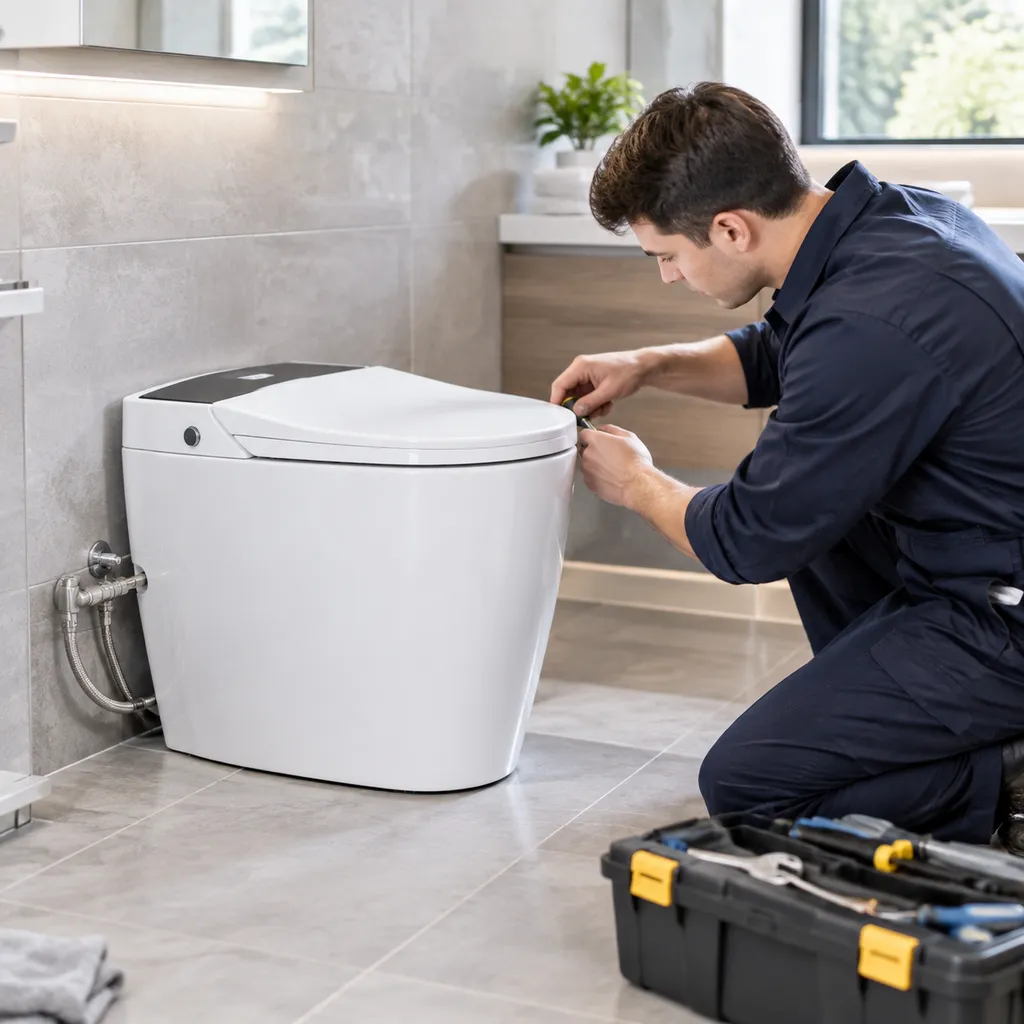
Installing and maintaining a smart tankless toilet is straightforward once you know the core mechanical and electrical prerequisites. Because these units rely on direct water line pressure and continuous power rather than a traditional gravity tank, proper setup ensures peak performance and long-term reliability.
Pre-Installation Checklist: Outlets, Valves, and Water Lines
Before installing your unit, verify your bathroom setup against these baseline requirements:
| Requirement | Standard Specification | Purpose |
|---|---|---|
| Power Supply | Dedicated 110V–120V GFCI Outlet (within 3 ft) | Powers the bidet heater, seat, and sensors safely in wet zones |
| Static Water Pressure | Minimum 0.14 MPa to 0.20 MPa (~20–30 PSI) | Guarantees strong direct flush performance without a storage tank |
| Water Supply Line | 1/2-inch or 3/4-inch dedicated cold water line | Delivers sufficient instantaneous flow rate |
| Rough-In Distance | Standard 12-inch (305 mm) floor rough-in | Ensures proper alignment with your existing drain flange |
- Electrical Placement: Install the GFCI electrical outlet on the wall adjacent to the toilet, elevated at least 12 to 18 inches above the finished floor to protect against moisture.
- Direct Water Feed: Connect to a dedicated shutoff valve that provides unrestricted flow. Avoid restrictive adapters that choke incoming water volume.
- Space Requirements: Ensure unobstructed space around the bowl to allow seamless operation of integrated features like the foot sensor flush and auto-opening lids.
Routine Cleaning and Descaling for Long-Term Durability
Keeping an intelligent toilet running smoothly requires straightforward care. Hard water mineral deposits and harsh chemicals are the main factors that affect internal electronics and valves over time.
- Nozzle and Wand Care: Activate the manual wand-cleaning mode monthly. Clean the stainless-steel spray tip with a soft cloth and a mild vinegar solution to clear mineral buildup.
- Inline Filter Maintenance: Shut off the water supply and clean the inline inlet filter mesh every six months to stop sediment from restricting water flow.
- System Descaling: In hard water regions, run a routine descaling cycle using mild citric acid to protect the instant ceramic heating core and internal bidet lines.
- Surface Cleaning: Wipe the seat and exterior housing with a microfiber towel and pH-neutral cleaner. Never use abrasive scouring powders, bleach, or benzene-based chemicals on sensors or touchless operation panels.
- Air and Odor Filters: Clean the air intake grill for the warm air dryer periodically and check the carbon cartridge of the automatic deodorizer to maintain optimal air filtration.
Frequently Asked Questions About Smart Tankless Toilets
Do smart tankless toilets work during a power outage?
Yes, standard flushing remains accessible during power interruptions. Most units include built-in backup battery systems or manual mechanical flush overrides:
- Core Flushing: Direct line clearing still works via a manual side button or reserve battery power.
- Electronic Amenities: Advanced features—including the warm air dryer, heated seating, and automatic deodorizer—pause until standard electrical power returns.
How much water pressure is required for a tankless toilet?
Because a smart tankless toilet draws water directly from the plumbing supply without a holding cistern, adequate water flow is essential:
- Minimum Dynamic Pressure: Most models require a working pressure between 30 to 45 PSI (approximately 0.2 to 0.3 MPa).
- Flow Rate: A sustained line rate of at least 4 to 5 gallons per minute (GPM) ensures the direct-flush valve and foot sensor flush operate at peak efficiency.
- Low-Pressure Solutions: If household pressure is below standard thresholds, models with integrated booster pumps deliver consistent performance.
Is an intelligent tankless toilet worth the investment?
For modern residential upgrades and high-traffic powder rooms, an intelligent fixture offers measurable daily value:
- Sleek Architecture: The compact, space-saving design frees up floor space and delivers a clean, modern aesthetic.
- Enhanced Sanitation: Built-in bidet streams, self-cleaning nozzles, and complete touchless operation minimize surface contact and improve daily hygiene.
- Resource Savings: Targeted direct-line flushing optimizes water volume per use, reducing waste compared to older conventional units.