What Is a Smart Toilet and How Does It Work?
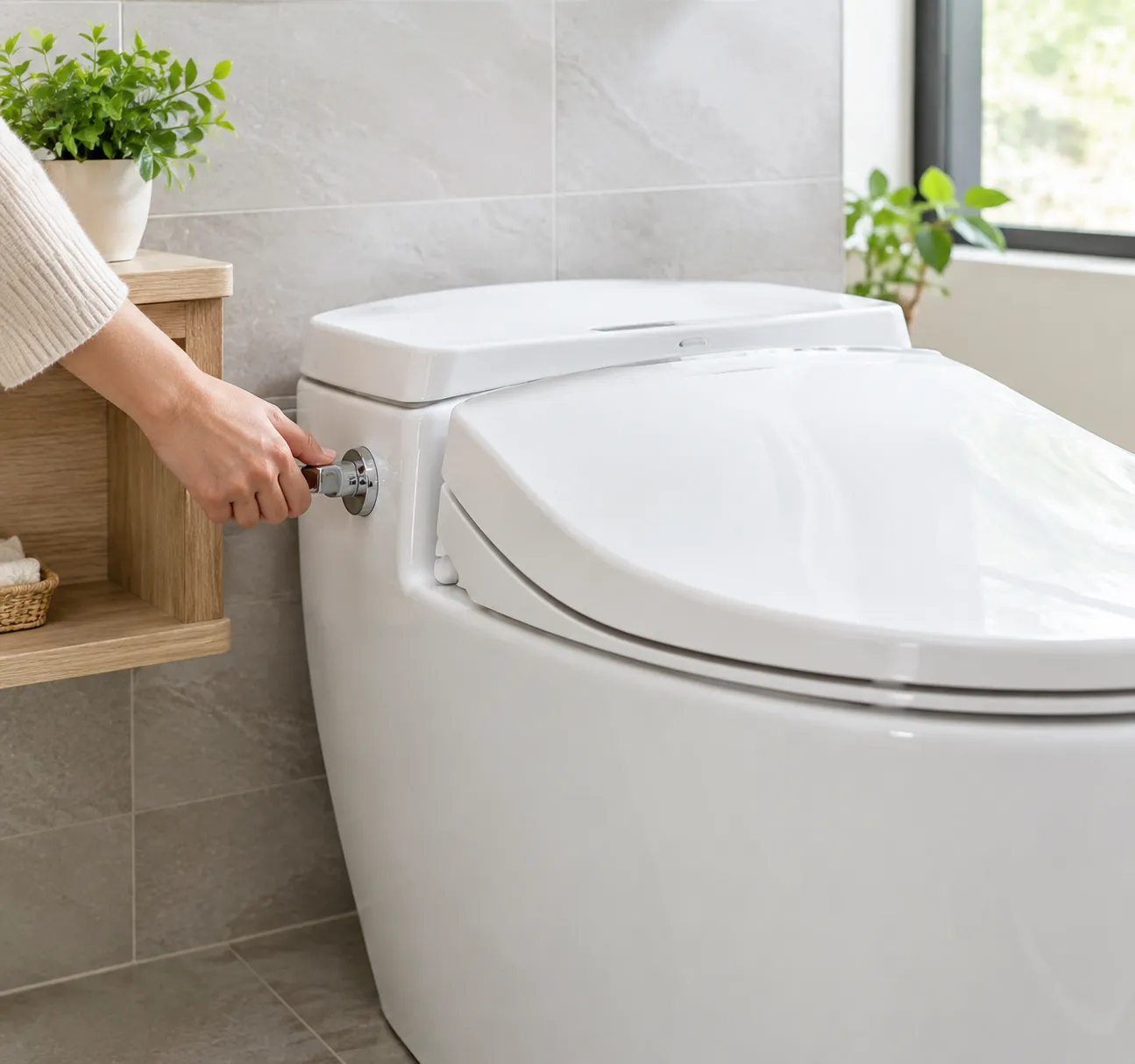
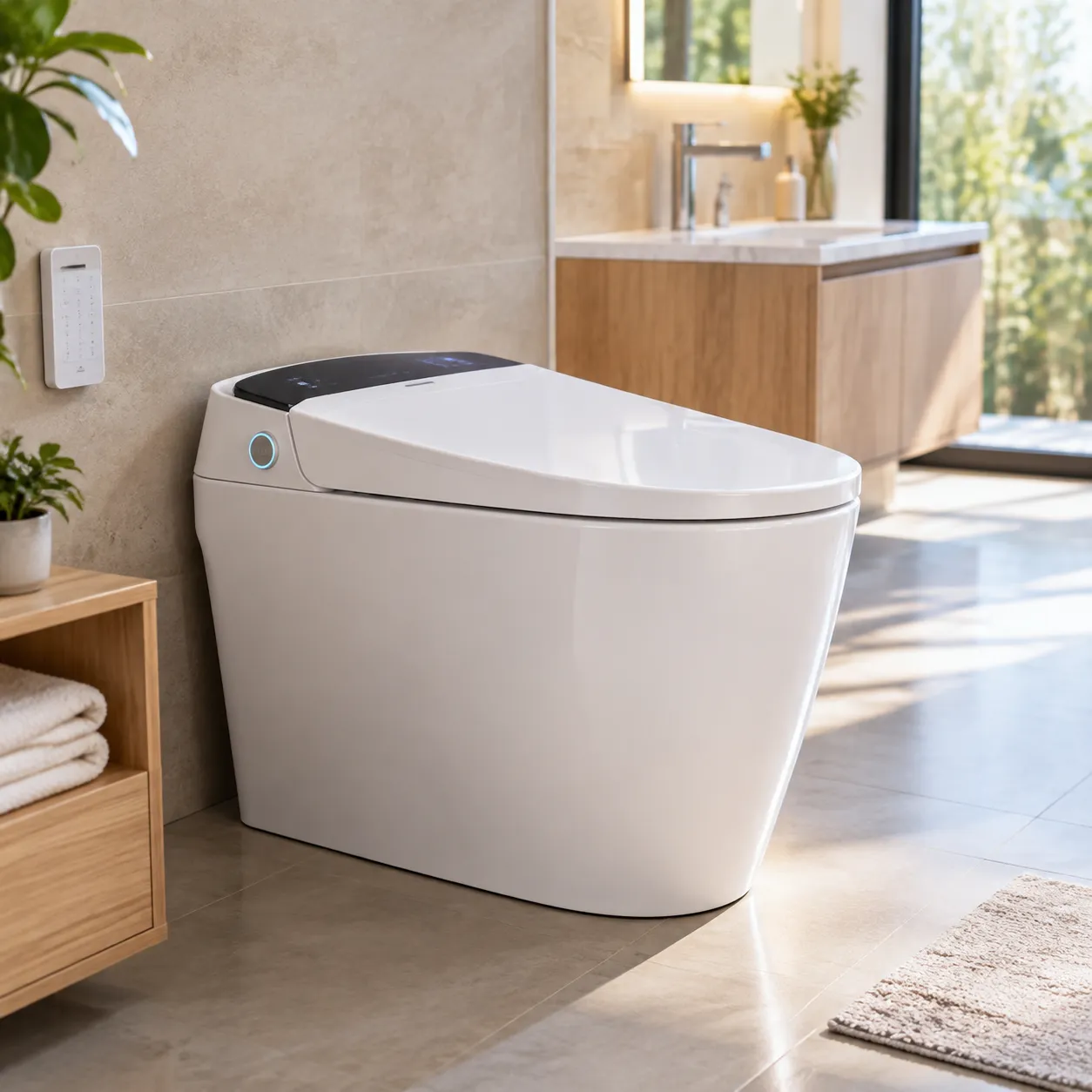
A smart toilet is an advanced sanitary fixture that integrates automated electronic functions, water-cleansing mechanics, and user-detection sensors into daily bathroom routines. Instead of relying solely on gravity flush systems and traditional dry paper, smart plumbing fixtures combine electricity, direct water lines, and microprocessors to automate personal washing, drying, bowl sanitization, and hands-free flushing.
+------------------+ +-------------------+ +--------------------+ | Proximity Sensor | --> | Microprocessor | --> | Automated Action | | (Detects User) | | (Executes Command)| | (Seat/Bidet/Flush) | +------------------+ +-------------------+ +--------------------+
Key Technologies Behind Modern Smart Toilets
Modern smart units run on integrated electronic architectures designed for precision, hygiene, and water efficiency:
- Infrared & Microwave Sensors: Track user proximity to open the electronic lid, trigger pre-wetting bowl mists, and activate hands-free flushing.
- Tankless Instant Heating: Ceramic heating modules warm water instantly on demand, eliminating stagnant warm-water reservoirs and maintaining steady water temperature.
- Multi-Position Precision Nozzles: Motorized, self-cleaning stainless steel or antimicrobial wands with adjustable pressure, oscillation, and pulse modes.
- Smart Actuator Valves: Motorized dual-flush mechanics that optimize water volume (typically 1.0 to 1.28 GPF) based on seating duration.
Standard Toilets vs. Bidet Seats vs. All-in-One Smart Toilets
| Feature | Standard Traditional Toilet | Add-On Bidet Seat | All-in-One Smart Toilet |
|---|---|---|---|
| Power Source Requirement | None (Gravity only) | Dedicated GFCI Outlet | Dedicated GFCI Outlet |
| Bidet Integration | None (Dry wipe only) | Retrofitted onto existing bowl | Fully integrated concealed system |
| Lid Operation | Manual | Manual or Motorized | Fully automatic (Motion sensor) |
| Aesthetics & Profile | Visible tank, standard lines | Bulkier rear rim profile | Sleek, tankless, seamless build |
| Flushing Mechanism | Manual handle / button | Manual handle on base toilet | Automatic sensor / Foot sensor / Remote |
Essential Standard Features
Every high-performance smart bidet toilet combo includes four core functionalities engineered to upgrade daily hygiene:
- Heated Seats: Ergonomic seat rings featuring adjustable temperature presets (ranging from 86°F to 104°F) for instant, year-round comfort.
- Adjustable Warm-Water Bidet: Front feminine wash and rear posterior wash modes with real-time temperature, spray position, and pressure controls.
- Warm Air Dryer: Multi-speed, temperature-controlled air blowers that gently dry the skin and minimize the need for toilet paper.
- Auto-Flush System: Automatic sensor flush triggered immediately upon standing, backed by built-in foot sensors and emergency manual push-buttons.
The Biggest Pros of Owning a Smart Toilet
Upgrading to a smart toilet completely changes the standard bathroom experience. From personal cleanliness to everyday convenience, the functional advantages go far beyond novelty tech.
Superior Personal Hygiene and Less Toilet Paper Reliance
Using water cleans far more effectively and gently than dry paper alone. A dedicated wash nozzle provides precision cleaning that leaves you truly fresh every single time.
- Fewer skin irritations: Warm water washes eliminate the harsh friction caused by standard wiping.
- Significant paper reduction: Cutting household toilet paper consumption by up to 75% saves money and drastically lowers household waste.
- Self-cleaning wands: Modern nozzles rinse themselves with antibacterial or UV-treated water before and after every use to maintain strict sanitary standards.
Daily Luxury and Built-In Comfort
Small daily comforts quickly add up, turning routine bathroom visits into a seamless, spa-like experience.
- Temperature-controlled heated seats: No more shocking cold seats during winter mornings.
- Instant warm water: Continuous heating systems deliver consistent warm water without running cold mid-wash.
- Soft ambient nightlights: Subtle LED lighting guides you in the dark without the need to turn on harsh overhead lights.
Complete Hands-Free Operation
Automated mechanisms minimize direct contact with high-touch surfaces, significantly improving household hygiene.
- Motion-activated lids: The seat and lid open smoothly upon approach and close automatically when you walk away.
- Reliable auto-flushing: Built-in sensors register when you stand up, initiating a precise flush without any physical handle pulling.
- Active carbon deodorizers: Integrated intake fans pull air through active carbon filters to neutralize odors before they escape into the room.
Water Conservation and Fewer Plumbing Clogs
Smart toilets optimize every drop of water while protecting your home drainage lines from blockages.
| Key Benefit | How It Works | Real-World Impact |
|---|---|---|
| Precision Dual Flushing | Automatically calculates the exact water volume needed per flush. | Saves thousands of gallons of water annually per household. |
| Clog Prevention | Drastically reduced reliance on thick toilet paper. | Protects older drain pipes and virtually eliminates routine plunger use. |
Enhanced Accessibility and Daily Independence
For individuals with limited mobility, a smart toilet restores autonomy and simplifies daily routines.
- Aging in place: Seniors can handle personal hygiene comfortably without needing physical assistance.
- Post-surgery and postpartum recovery: Gentle wash and warm air-dry modes provide effortless cleansing when moving or bending is painful.
- Simple remote interfaces: Intuitive wall-mounted panels and one-touch presets allow anyone to customize their settings effortlessly.
The Key Cons of Smart Toilet Ownership
While the daily luxury is undeniable, upgrading isn't without its practical trade-offs. Evaluating the true pros and cons of smart toilet ownership means looking closely at the upfront investments, technical demands, and day-to-day quirks.
High Upfront Purchase Price and Expensive Replacement Parts
The financial entry point is significantly higher than traditional fixtures:
- Initial investment: Full smart bidet toilet combos cost considerably more than standard ceramic toilets.
- Costly proprietary components: Unlike universal flappers or standard fill valves found at any hardware store, smart units rely on specialized circuit boards, heating elements, and motorized valves that are expensive to repair or replace once warranties expire.
Complex Installation and Power Source Requirements
Setting up an advanced unit requires more than basic plumbing know-how:
- Dedicated GFCI electrical outlets: Every unit has a strict power source requirement. You need a properly grounded, waterproof outlet near the base of the toilet, which typically requires hiring a licensed electrician.
- Specific water pressure lines: Tankless smart toilets rely on direct water line pressure rather than gravity-fed tanks. If your home has low water pressure, the flush performance can drop noticeably.
Electricity Dependency and Power Outage Limitations
When the power goes out, your high-tech fixture loses most of its signature benefits:
- Feature downtime: Heated seating, instant warm-water washing, warm air drying, and electronic lids stop functioning instantly during a blackout.
- Manual flush constraints: While most units feature a manual side button or emergency battery backup for basic flushing, operating them during an outage can be less intuitive than a simple mechanical handle.
Smart Toilet Maintenance Issues and Sensor Sensitivity
Electronic fixtures demand specific upkeep to stay functional over time:
- Hard water scaling: Mineral build-up can block the fine spray nozzles of the bidet wand, requiring regular descaling and filter changes.
- Over-sensitive sensors: In smaller bathrooms, proximity sensors may misread everyday movement, opening the electronic lid or triggering an auto-flush unexpectedly when you simply walk past the vanity.
Learning Curve and Remote Control Confusion
A high-tech interface is not always intuitive for every household member:
- Guest and kid confusion: Multi-button wireless remotes and side-mounted controls can easily overwhelm young children, elderly visitors, or houseguests looking for a straightforward, standard flush.
- Accidental settings changes: Shared households often deal with altered water temperature, nozzle position, and pressure presets between different users.
Smart Toilet vs. Add-On Smart Bidet Seat: Which Should You Choose?
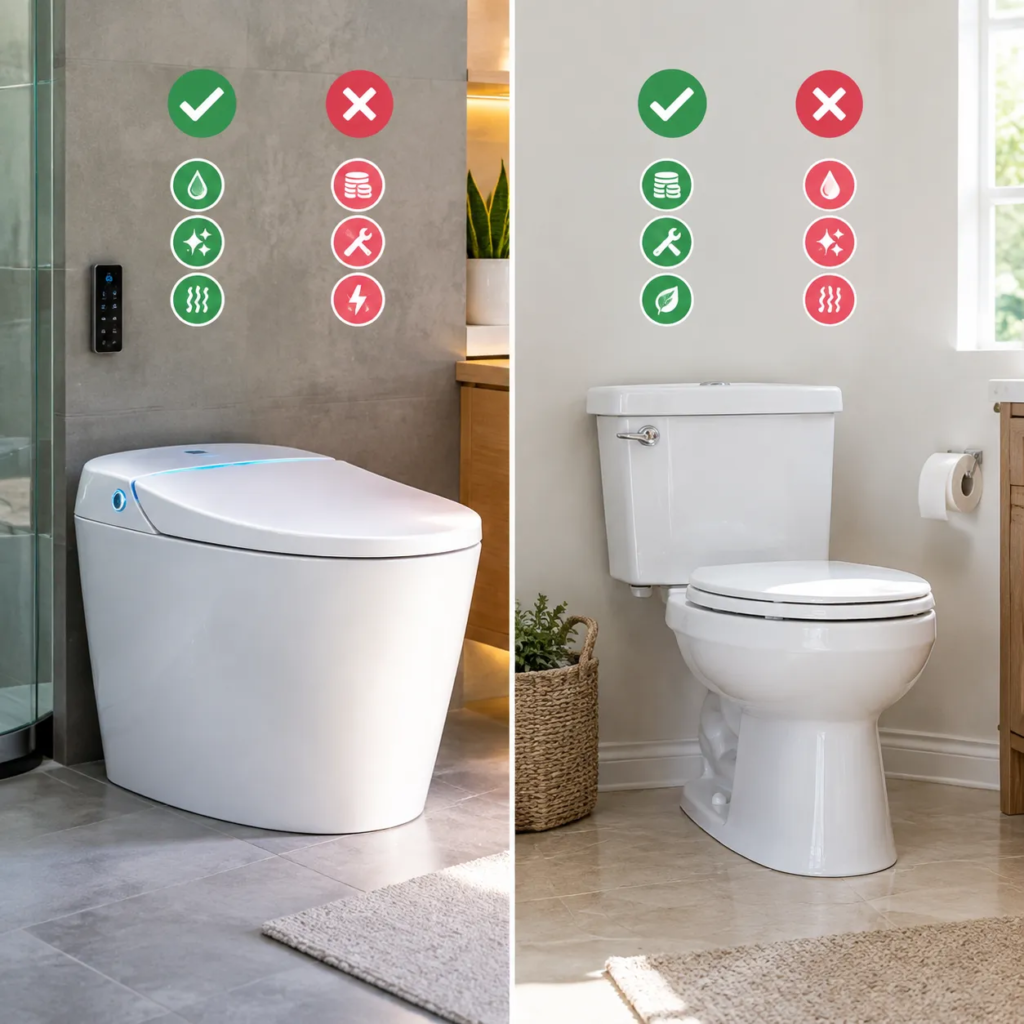
When upgrading your bathroom, the choice usually comes down to two options: replacing your entire fixture with an integrated smart bidet toilet combo or swapping your existing lid for an add-on electric bidet seat. Both deliver warm water cleansing and heated seats, but they serve different budgets, spaces, and long-term goals.
Price and Value Breakdown
An integrated smart toilet is an all-in-one luxury fixture, while a smart bidet seat is an accessible attachment that mounts directly onto your existing ceramic bowl.
| Feature | Integrated Smart Toilet | Add-On Smart Bidet Seat |
|---|---|---|
| Typical Purchase Price | $800 – $3,500+ | $200 – $600 |
| Design Profile | Sleek, tankless, seamless | Bulky rear housing on existing bowl |
| Primary Value | High-end luxury, full automation | Low-cost entry to warm-water washing |
| Replacement Cost | Entire unit or proprietary modules | Inexpensive standalone swap |
- Add-on bidet seats offer the best functional value per dollar, giving you heated water, adjustable spray nozzles, and basic drying without replacing the entire porcelain base.
- Integrated smart toilets carry a higher initial investment but deliver a fully engineered system where auto-flushing, motorized lids, and ceramic bowl shapes work together seamlessly.
Installation Effort, Bathroom Space, and Compatibility
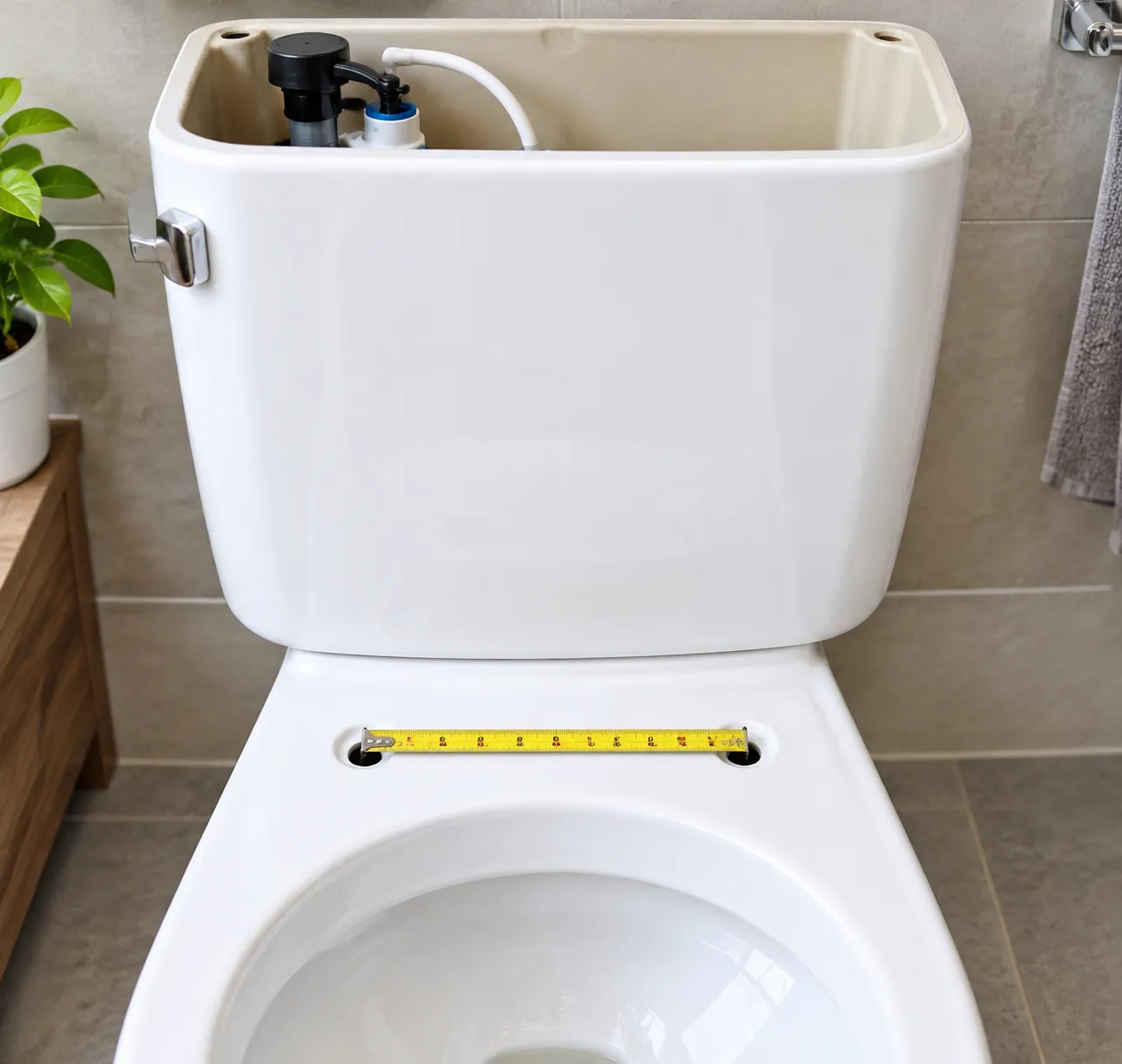
- Existing Fixture Compatibility: Add-on bidet seats require matching your current toilet bowl shape (round vs. elongated) and ensuring adequate clearance between the tank and mounting holes. All-in-one smart toilets eliminate fitment guesswork because the seat is custom-molded to the bowl.
- Bathroom Footprint: Smart toilets are often tankless or low-profile, freeing up vertical and horizontal space in compact powder rooms. Add-on bidet seats slightly reduce the usable sitting area toward the back of the bowl due to the integrated pump and heater housing.
- Plumbing and Electrical Work: Both options require a nearby GFCI power outlet. However, an all-in-one unit requires a full toilet swap, new wax ring seal, and verification of dynamic water pressure, whereas an add-on seat only requires a simple T-valve connection to your existing water supply line.
Aesthetics, Resale Value, and Long-Term Durability
- Visual Appeal: Add-on seats leave exposed water lines and power cords trailing along the side of the toilet. Integrated smart plumbing fixtures conceal all wiring and supply tubes inside the skirted ceramic body for a modern, minimalist look.
- Home Resale Impact: High-end smart toilets serve as standout centerpieces during a master bathroom remodel, actively boosting perceived property value. Add-on seats are generally treated as personal appliances and are often removed when selling a home.
- Long-Term Durability: Integrated units use heavy-duty commercial-grade components designed to handle high daily usage, whereas clip-on plastic seat hinges experience more mechanical stress over time.
Real-World Cost Breakdown: Purchase, Installation, and Running Costs
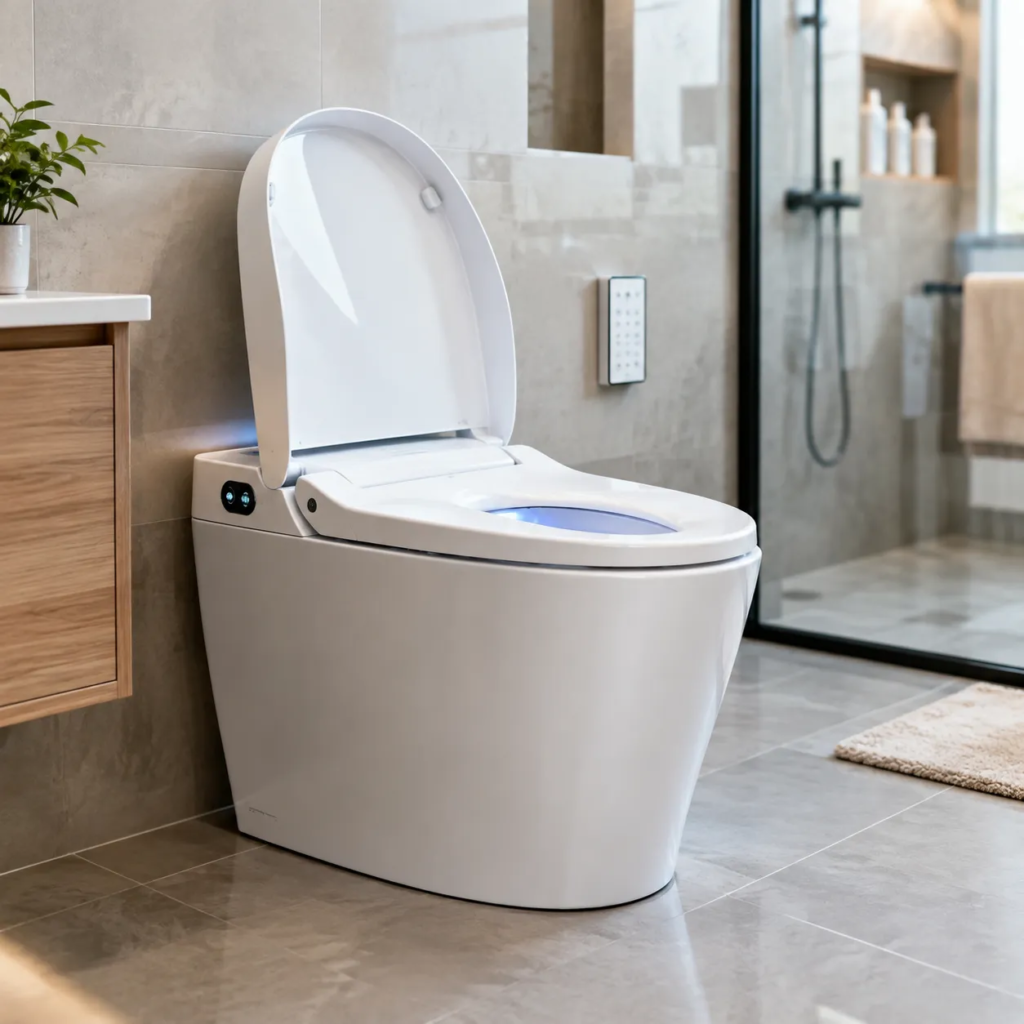
Upgrading to an integrated unit requires looking beyond the sticker price. When evaluating the overall pros and cons of smart toilet ownership, I always recommend factoring in the complete financial picture—from the initial purchase to installation and monthly utilities.
Smart Toilet Installation Cost: Electrician and Plumbing Labor
Smart plumbing fixtures require both water and a reliable power source requirement to operate properly.
- Dedicated GFCI Power Outlet ($150 – $400): Most standard bathrooms lack an electrical outlet next to the toilet. Hiring a licensed electrician to run a dedicated GFCI outlet is essential for safety and code compliance.
- Plumbing Labor and Mounting ($200 – $500): A direct swap into standard plumbing is straightforward, but if your supply line needs repositioning or water pressure adjustments, expect standard plumbing labor rates.
- Total Estimated Setup Cost: Expect to budget $350 to $900 for professional labor on top of the fixture's retail price.
Monthly Impact on Water and Electricity Utility Bills
Despite the high-tech features, the ongoing running costs remain surprisingly low:
- Smart Toilet Electricity Consumption ($2 – $5 per month): Continuous seat warmers and tankless instant water heaters draw minimal electricity, especially when set to built-in eco-modes during off-peak hours.
- Water Usage (Minimal to Negative Net Cost): Modern smart bidet toilet combo designs use efficient dual-flush systems (typically 1.0 to 1.28 gallons per flush), cutting household water waste.
- Toilet Paper Savings: The reduced reliance on paper rolls often balances out the minor increase in your monthly electric bill, making the ongoing operational cost essentially neutral.
Frequently Asked Questions About Smart Toilets
Can you still flush a smart toilet when the power goes out?
Yes. Most modern smart plumbing fixtures feature a smart toilet power outage flush backup. Depending on the model, this operates via a manual side button, an emergency 9V battery compartment, or a mechanical pull cord located under the service lid. While luxury functions like seat heating and the bidet wand pause during a blackout, the standard gravity or battery-assisted flush ensures full basic operation.
Do smart toilets consume a lot of electricity?
No. Overall smart toilet electricity consumption is modest. Most units utilize on-demand tankless water heaters and intelligent sleep modes that only draw significant power when someone is actively using the seat. On average, running a unit continuously adds between $2 to $5 per month to standard household utility bills.
How often do you need to clean and descale a smart toilet nozzle?
For optimal performance, inspect and descale the wand once every 1 to 3 months. While the self-cleaning toilet nozzle automatically rinses with fresh water before and after every single use, mineral deposits from hard water can build up over time. A quick wipe with a soft cloth and a routine citric acid rinse keep the spray nozzles clear and running at full pressure.
Are smart toilets sanitary for multiple household members to share?
They are significantly cleaner than traditional ceramic bowls. Key smart toilet hygiene benefits include:
- Antimicrobial Wand Materials: Retractable nozzles crafted from high-grade stainless steel or antibacterial resin.
- Pre-Mist Technology: The bowl automatically mists before use to prevent waste from sticking to the surface.
- Contactless Use: Motion-activated lids and automatic flush sensors eliminate shared touchpoints entirely.
Is a smart toilet worth the money compared to a standard toilet?
When evaluating the overall pros and cons of smart toilet ownership, the investment delivers clear returns in daily comfort, independence for users with limited mobility, and reduced paper consumption. For homeowners undertaking a bathroom renovation or looking to upgrade personal hygiene standards, the long-term lifestyle benefits far outweigh the initial setup cost.