Anatomy and Core Components of a One Piece Toilet
Understanding how a one piece toilet works begins with its internal anatomy. We design and engineer these fixtures as unified systems where the hydraulic components in the tank work in direct synchronization with the bowl's geometry.
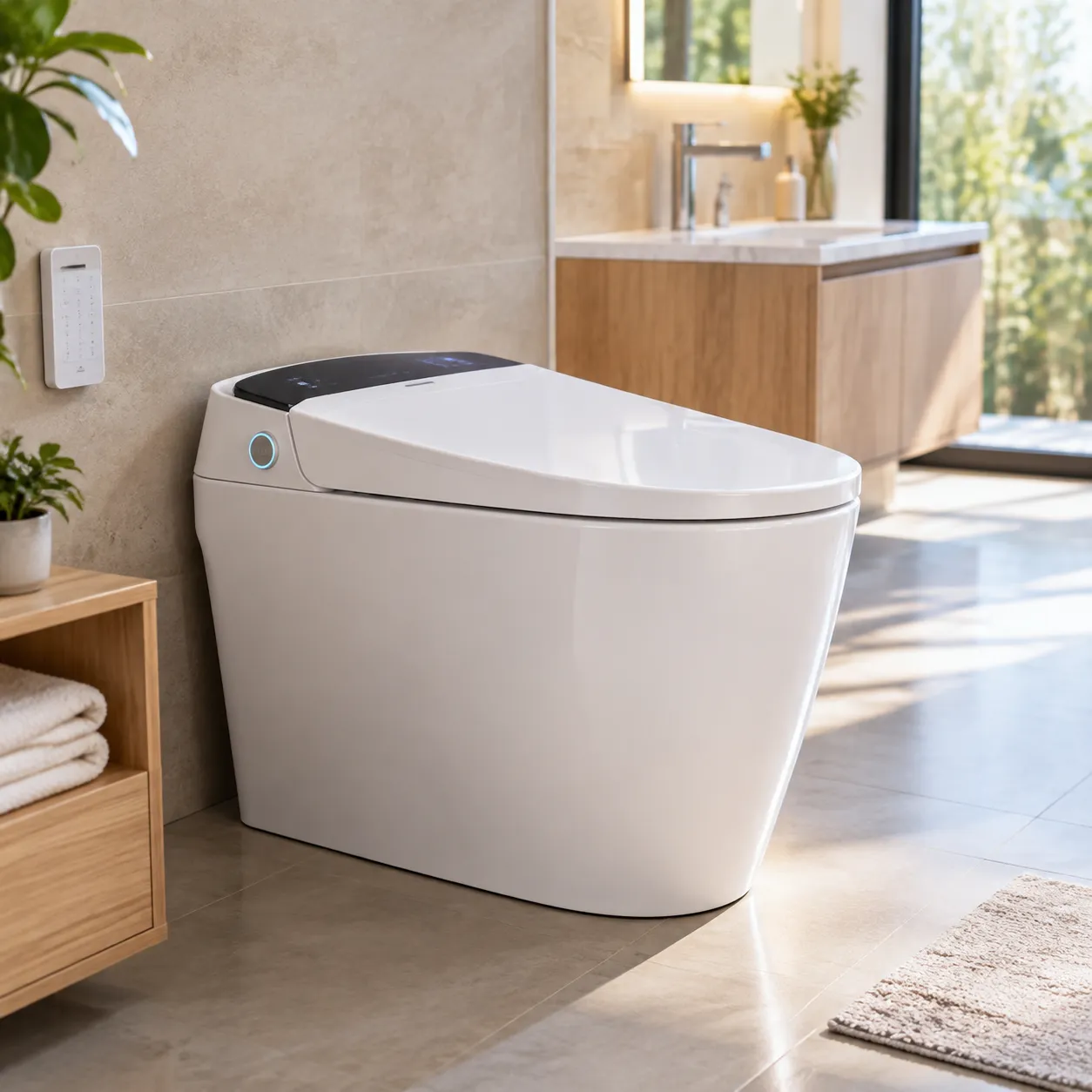
Integrated Tank and Bowl Seamless Design
Unlike traditional two-piece units, a one piece toilet fuses the water tank and bowl into a single, continuous ceramic structure during the molding process.
Seamless Construction: Eliminates the external rubber gaskets, bolts, and connection points found between separate tanks and bowls.
Leak Prevention: With no tank-to-bowl seam, the risk of external water leaks between the storage and bowl areas is entirely engineered out.
Low-Profile Architecture: The unified body allows for a more compact footprint while maintaining optimal water head pressure.
Fill Valve and Float Assembly
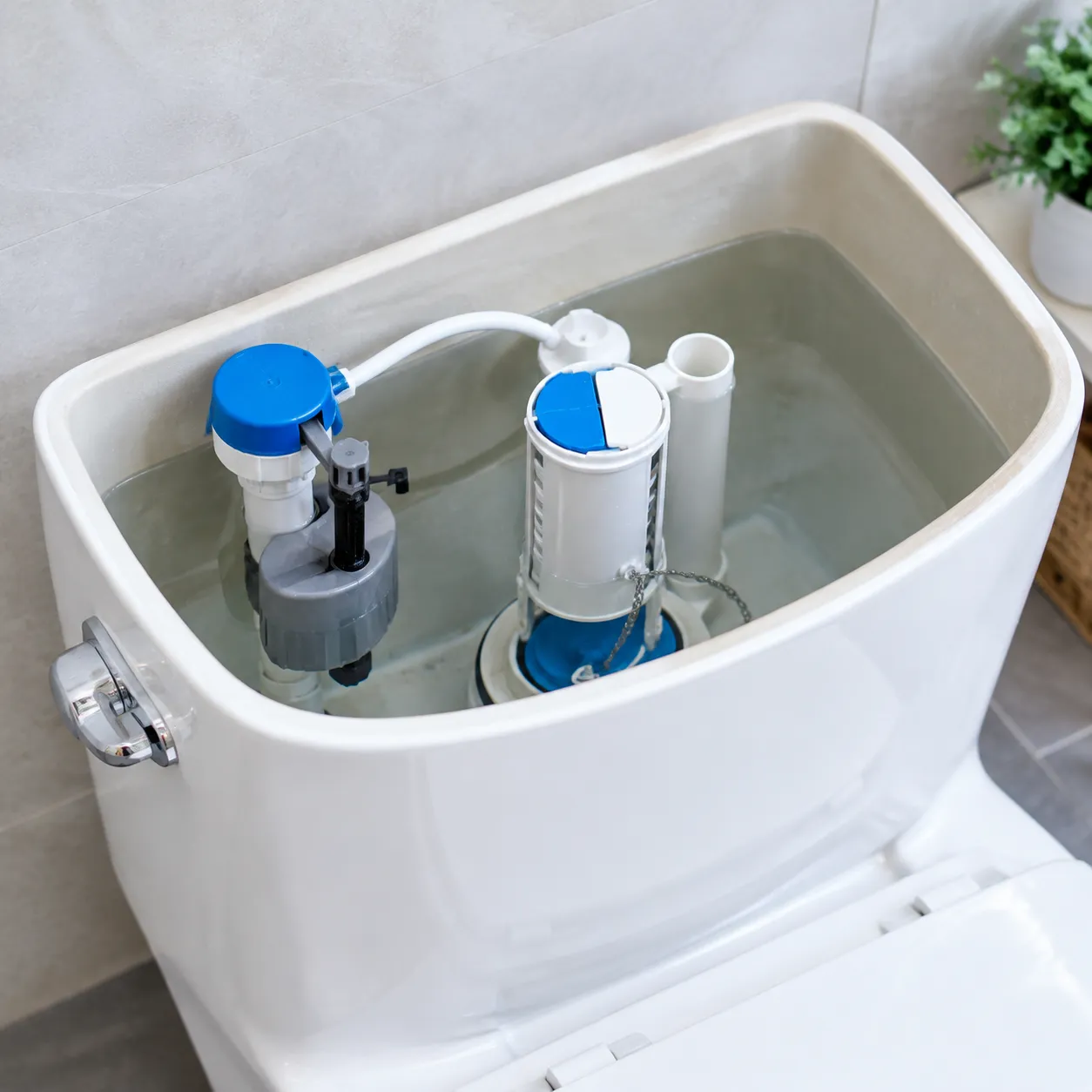
The fill valve regulates the incoming water supply from your home’s plumbing line directly into the integrated tank. Float Mechanism: As the water level drops during a flush, the float sinks, opening the fill valve to draw fresh water into the tank. Refill Tube: Diverts a calibrated stream of water down the overflow tube to replenish the bowl's water seal while the main tank fills. Shut-Off Precision: Once water reaches the preset fill line, the float rises to its peak and automatically shuts the valve, preventing overflow.
[ Water Supply ] ──> [ Fill Valve ] ──> [ Tank Storage ] │ └──> [ Refill Tube ] ──> [ Bowl Seal ]
Flush Valve, Tower, and Flapper Mechanism
The flush valve controls the instantaneous release of stored water into the bowl.
Flush Tower / Canister: Modern one piece designs frequently use a 3-inch or larger vertical flush tower instead of a standard flapper, providing 360-degree water release for accelerated velocity.
Flapper Valve: In traditional configurations, a hinged rubber flapper lifts when the trip lever is engaged, unsealing the tank drain until the water empties.
Direct Transfer Port: Allows maximum water volume to evacuate the tank within seconds to generate strong initial flushing momentum.
Siphon Jet and Glazed Trapway
The bowl relies on precisely directed water paths and smooth internal channels to evacuate waste efficiently.
Rim Jets: Upper channels along the rim distribute water downward to scrub the bowl walls and initiate downward flow.
Siphon Jet: A submerged nozzle positioned at the bottom of the bowl directs a concentrated, high-velocity stream directly into the trapway inlet.
Fully Glazed Trapway: An ultra-smooth, glass-lined internal pathway engineered to minimize friction, maintain vacuum pressure, and prevent clogs during the siphonic pull.
Step-by-Step Guide: How a One Piece Toilet Works
Understanding how a one piece toilet works comes down to tracking the rapid movement of water and air through a seamless ceramic system. Because the tank and bowl are molded together, the transfer of water is direct, fast, and highly efficient.
Here is the exact step-by-step process of a one piece toilet flushing mechanism in action:
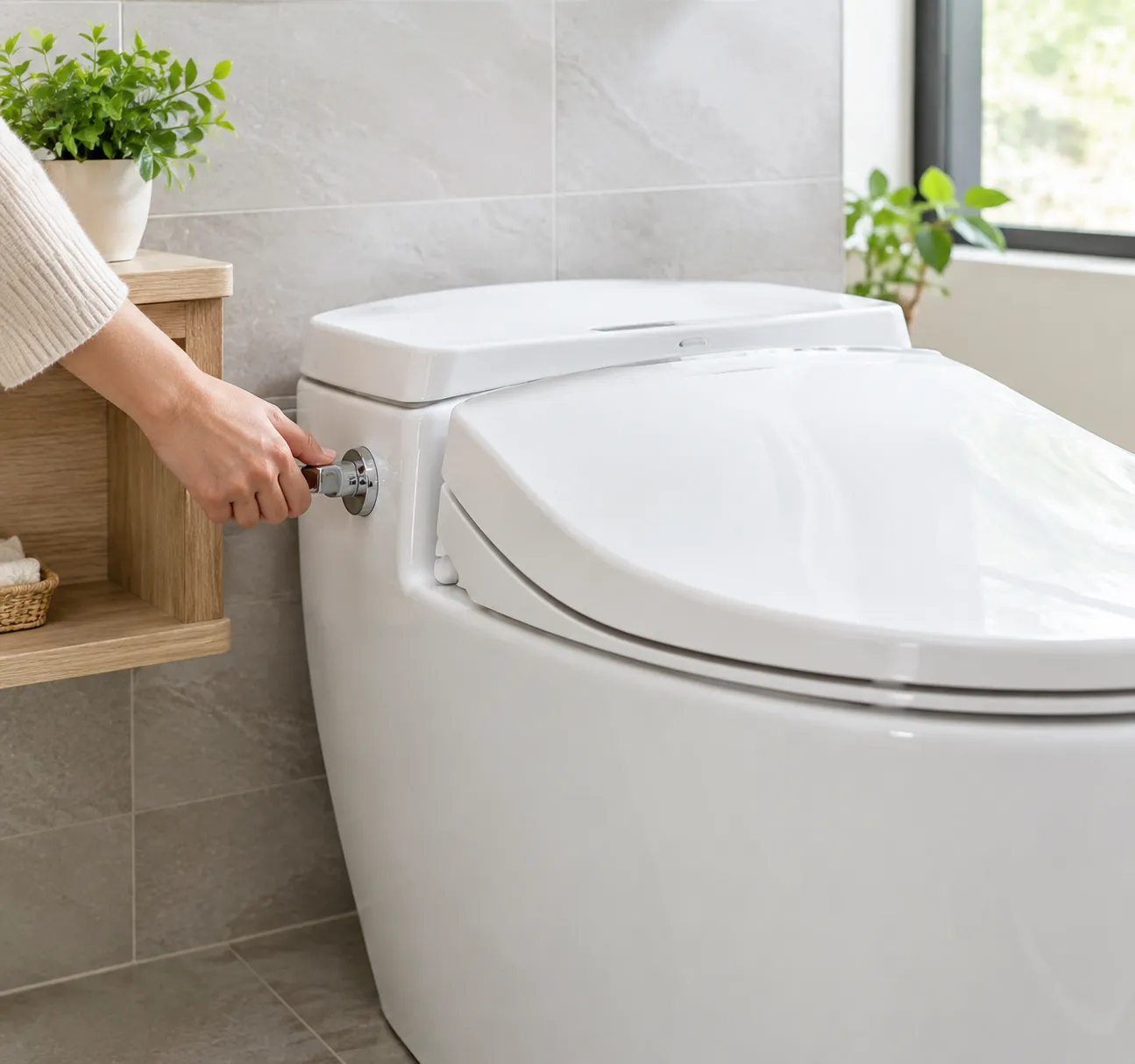
Initiating the Flush via Lever or Push-Button
The cycle begins the moment you press the flush button or trip the trip lever:
- Lifting the Seal: The mechanical connection immediately pulls up the flapper or raises the central flush tower assembly.
- Instant Discharge: With no separate coupling gasket or narrow tank-to-bowl connector in the way, stored water rushes instantly out of the tank directly toward the bowl.
Water Release Through Rim Jets and Siphon Hole
Once released, the water divides into two dedicated pathways to perform distinct cleaning and evacuation jobs:
- Rim Jets: A portion of the water channels through small openings under the upper rim, washing down the inner walls to remove waste and maintain hygiene.
- Siphon Jet: The bulk of the water routes directly to the siphon hole at the base of the bowl, pushing a concentrated, high-velocity stream straight into the glazed trapway.
Creating the Siphon Vacuum Down the Trapway
The core of the flushing power relies on the physics of the toilet trapway siphon action:
- Displacing the Air: The rapid surge from the siphon jet forces water up and over the bend of the trapway, completely filling the channel and pushing out trapped air.
- Vacuum Pull: As water crests the bend and flows down the drain pipe, gravity creates a powerful negative pressure vacuum (the siphon effect). This instantly pulls all water, solids, and liquids out of the bowl in a matter of seconds.
Tank Refilling and Water Seal Restoration
As soon as the bowl clears and the siphon breaks, the system resets for the next cycle:
- Flapper Closure: The flapper valve drops back over the flush orifice, creating a watertight seal at the bottom of the tank.
- Fill Valve Operation: The float drops with the water level, triggering the fill valve to draw fresh water from the supply line to refill the tank.
- Restoring the Trap Seal: A small refill tube diverts a steady stream into the overflow tube, sending fresh water directly into the bowl. This replenishes the water barrier at the bottom of the commode, permanently blocking sewer gases from entering the room.
Types of Flushing Mechanisms in One Piece Toilets
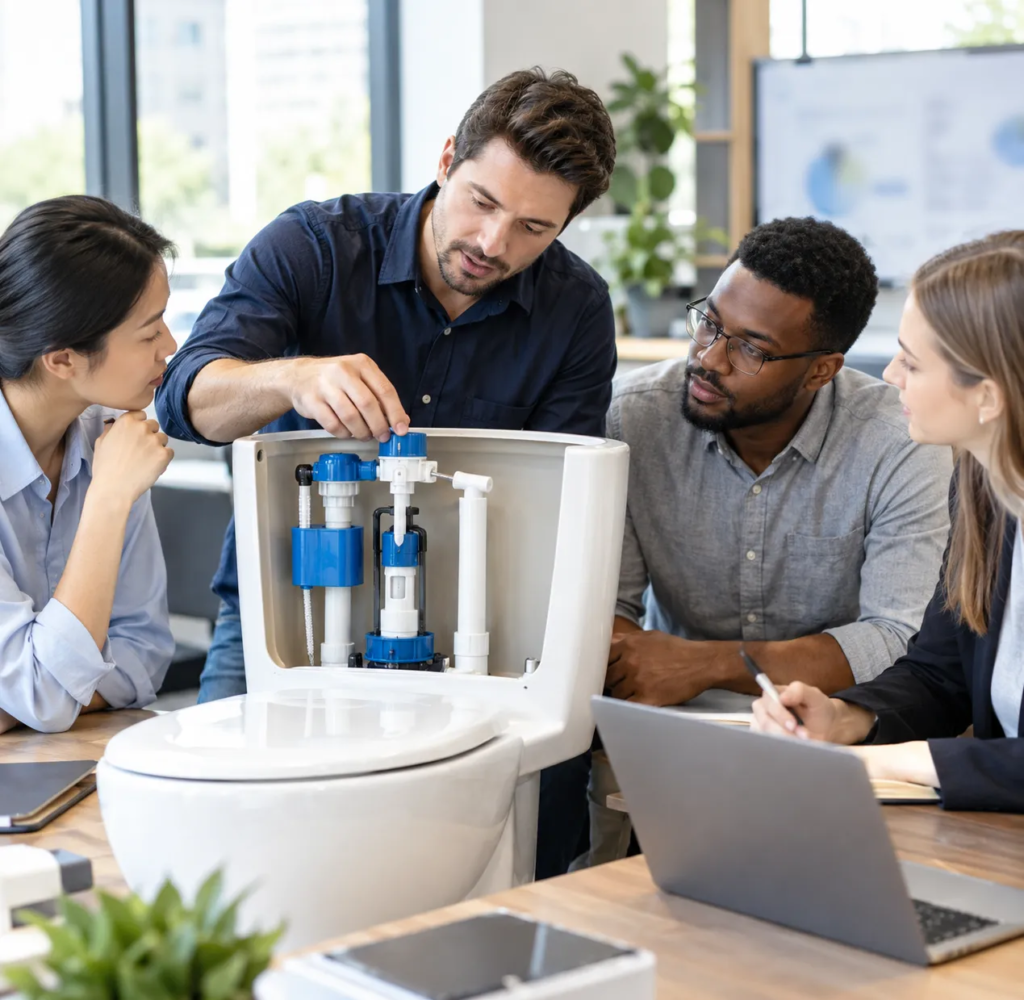
Understanding how a one piece toilet works comes down to the flushing mechanism engineered inside the ceramic body. Different designs use distinct hydraulic methods to clear waste efficiently.
Gravity-Fed Siphonic Flush System
This is the most common residential system. When you trip the flush lever, gravity drops water from the tank into the bowl, activating the siphon jet.
Working Action: Water rapidly fills the bowl and forces its way through the narrow, glazed trapway. Vacuum Pull: The sudden surge creates a siphonic vacuum that actively pulls waste and water out of the bowl.
Best For: Quiet operation, thorough bowl cleaning, and a high resting water line that minimizes skid marks.
Washdown Flush System
Washdown models rely on the sheer weight and gravitational force of rapidly dumping water rather than a siphon vacuum.
Direct Push: Water releases through wide rim openings, pushing waste directly out of the bowl and down the trapway.
Larger Trapway: Uses a wider, less convoluted pipe path, which drastically cuts down on clogs.
Best For: Compact bathrooms, water efficiency, and commercial-level waste clearing with fewer blockages.
Dual-Flush Water Conservation Mechanism
Dual-flush systems give you direct control over water volume per cycle using a split-button flush valve tower.
Partial Flush: Releases a reduced volume (typically 0.8 to 1.1 gallons) for liquid waste.
Full Flush: Releases the full tank capacity (typically 1.28 to 1.6 gallons) for solid waste.
Best For: Cutting annual utility bills and meeting strict green building water-efficiency standards.
Pressure-Assisted Flushing Technology
Pressure-assisted one piece commodes use an enclosed pressure vessel inside the ceramic tank instead of an open water reservoir.
Compressed Air Power: Incoming municipal water compresses air inside the sealed inner vessel.
Jet-Blast Flush: When you push the actuator, the compressed air forcefully blasts the water into the bowl at high velocity.
Best For: Heavy-use bathrooms and households demanding high-volume, clog-free waste removal in a single flush.
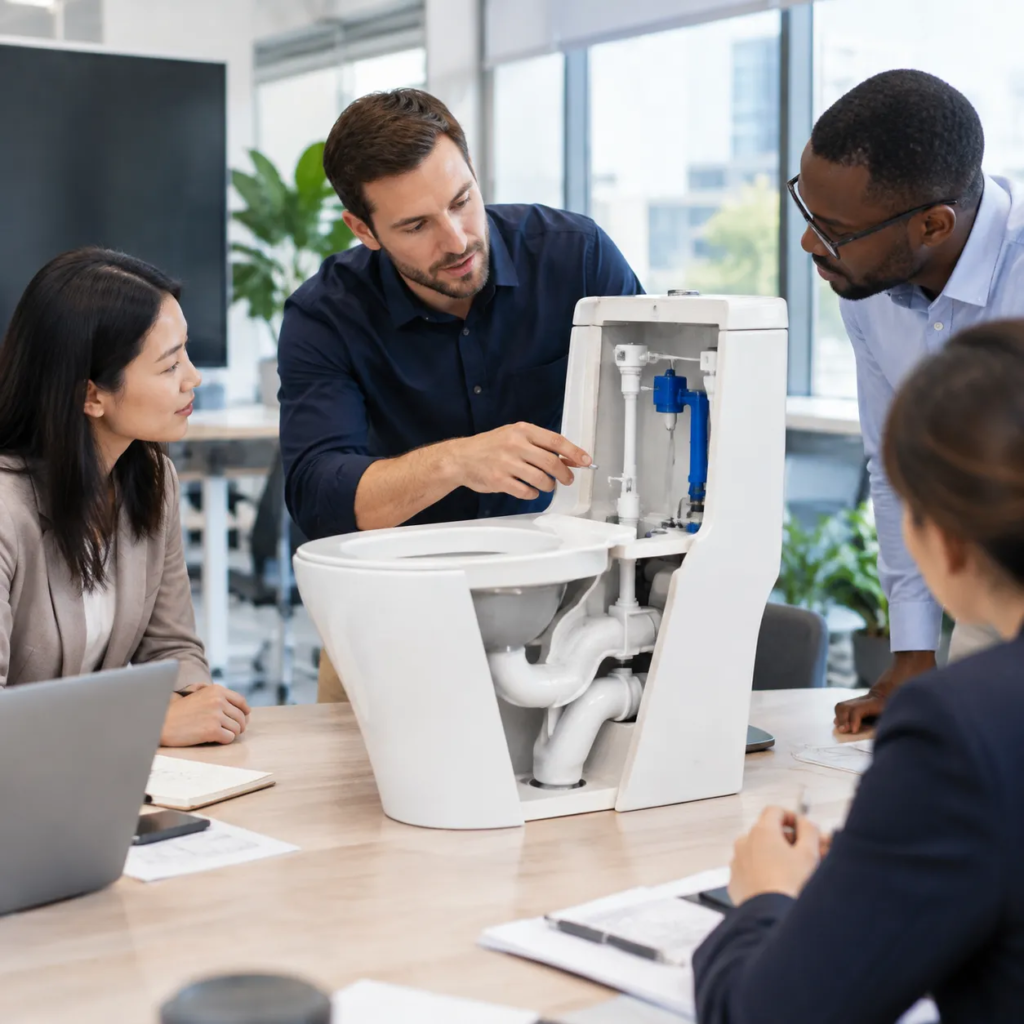
Lower Water Tank Profile and Gravity Pressure Dynamics
A common question regarding how a one piece toilet works involves its height. One piece units feature a low profile toilet tank, meaning water sits closer to the rim than in a tall two-piece tank.
To overcome the reduced vertical drop, one piece toilet flushing mechanisms rely on optimized fluid dynamics rather than sheer tank height:
Wider Flush Valves: Utilizing 3-inch or larger flush towers releases water instantly in a rapid surge.
Direct Jet Routing: Instead of relying strictly on falling water weight, internal channels direct a high-velocity stream straight to the rim jets and siphon hole.
Immediate Vacuum Creation: The quick burst initiates a faster pull down the trapway without requiring extra water volume.
Integrated Trapway Accessibility and Flow Efficiency
The internal trapway of a one piece toilet is engineered as a continuous, unified passage.
- Smoother Curves: The seamless molding process allows for fully glazed, sweeping bends that reduce friction during the siphon cycle.
- Maximized Flow Velocity: Water moves through the trap without turbulence caused by uneven joints or internal seams.
- Clog Resistance: The smooth transition from the bowl floor into the discharge line maintains strong vacuum power, ensuring waste clears cleanly on the first flush.
Troubleshooting Common Working Issues in One Piece Toilets
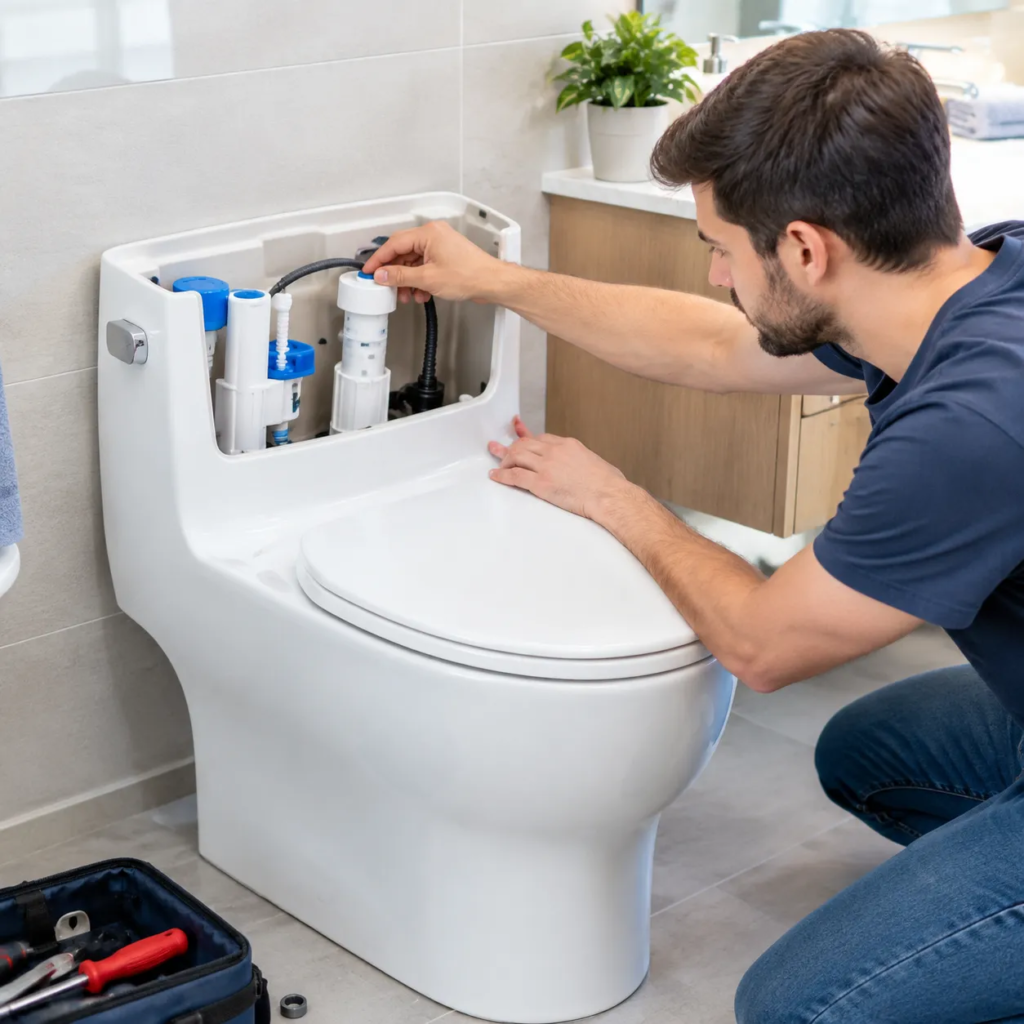
Understanding how does a one piece toilet work makes diagnosing everyday performance issues straightforward. Because these units combine the tank and bowl into a single casting, most mechanical faults happen inside the compact tank components or along the internal water channels.
Fixing a Weak or Incomplete Siphon Flush
A weak flush usually means water is not entering the bowl fast enough to trigger the siphon action.
- Clear clogged jet holes: Mineral scale and hard water deposits can choke the siphon jet at the bottom of the bowl and the small rim jets along the top. Use a small mirror and a stiff wire or vinegar soak to clear these openings.
- Inspect the lift chain: If the chain connected to the flush lever has too much slack, the flapper or flush tower will not open fully, cutting the flush volume short. Tighten the chain, leaving about a half-inch of play.
- Verify tank water volume: If the tank does not fill to the specified mark, the system cannot generate sufficient gravity flush velocity.
Resolving Continuous Running Water and Flapper Leaks
A toilet that runs continuously wastes water and usually points to an issue with the flapper valve assembly or flush tower seal.
- Check the flapper or seal disc: Over time, sediment or chemical cleaners degrade the rubber flapper or silicone seal at the base of the flush valve. Clean the mating surface or replace the worn seal.
- Check chain snagging: Ensure the chain is not getting caught underneath the flapper as it drops back down.
- Inspect the refill tube: Make sure the small rubber refill tube is clipped properly above the overflow pipe and not inserted too deeply, which can siphon water directly down the drain.
Adjusting the Fill Valve for Optimal Water Levels in a Compact Tank
Because one-piece models feature a low-profile toilet tank, precise toilet bowl water level adjustment is essential for delivering full flushing power.
- Locate the adjustment screw: Most modern fill valve assemblies have an adjustment screw or a clip on the float rod.
- Set the correct height: Turn the adjustment screw clockwise to raise the water level or counterclockwise to lower it.
- Align with the water line: Set the standing water level to roughly 1/2 inch to 1 inch below the top of the overflow tube. This maximizes head pressure during each flush cycle without letting water spill into the overflow pipe.
Frequently Asked Questions About How a One Piece Toilet Works
Why is my one piece toilet not flushing with full power?
A weak flush usually means the water is not dumping fast enough to trigger the siphon vacuum down the trapway. Here is what we check first:
Low tank water level: If the fill valve is set too low, there is not enough gravity head to clear the bowl. Clogged rim jets or siphon jet: Mineral and hard water scale block water entry, slowing down the flush cycle.
Flapper chain slack: Too much slack prevents the flapper or flush tower from opening completely.
Partial drain blockages: Buildup in the glazed trapway slows down water velocity.
Can standard universal replacement parts work in a one piece toilet?
Yes and no. It depends on the specific component:
Fill valves: Standard universal fill valves fit most one-piece models, provided the tank height accommodates them.
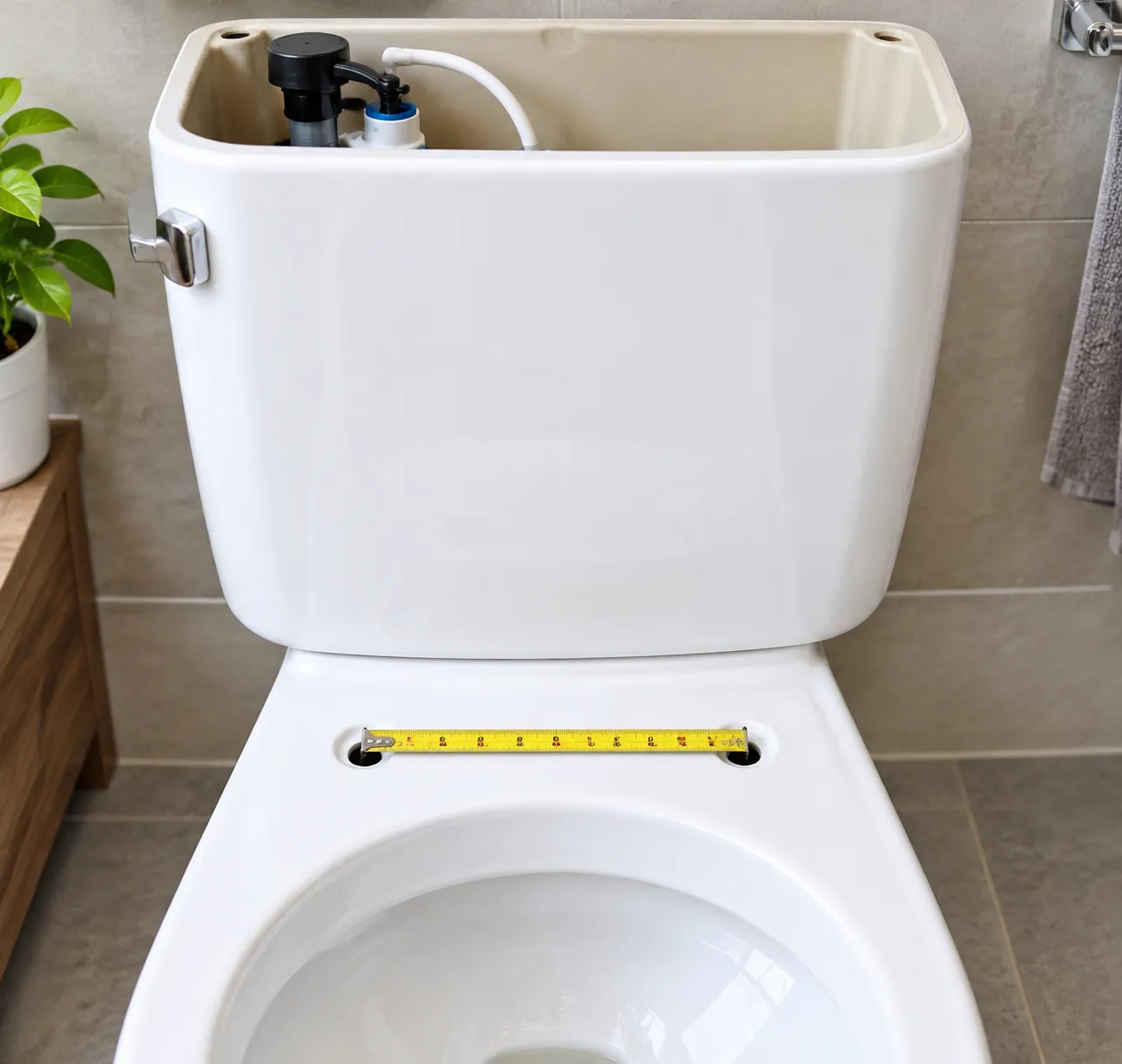
Flush valves: One-piece designs often feature low-profile tanks with proprietary 3-inch or oversized dual-flush tower assemblies. We recommend checking the brand's model specifications before replacing the flush mechanism.
Do one piece toilets use less water per flush than two piece models?
Water consumption is dictated by the flush rating (typically 1.28 or 1.6 GPF / gallons per flush), not the number of pieces. However, because a one-piece commode integrates the bowl and tank into a single seamless casting, the engineered trapway and optimized siphon jet deliver a faster, cleaner pull with less water volume compared to older designs.
How do I know if my one piece toilet flush valve is failing?
A malfunctioning flush valve shows clear warning signs:
Constant water trickle: Water continuously seeps into the bowl long after the cycle ends.
Ghost flushing: The fill valve turns on automatically every few minutes to replace water leaking past the valve seal.
Incomplete seal: The flapper or silicone seal ring is warped, cracked, or misaligned against the flush seat.