Overview
How Do Self Cleaning Smart Toilets Work?
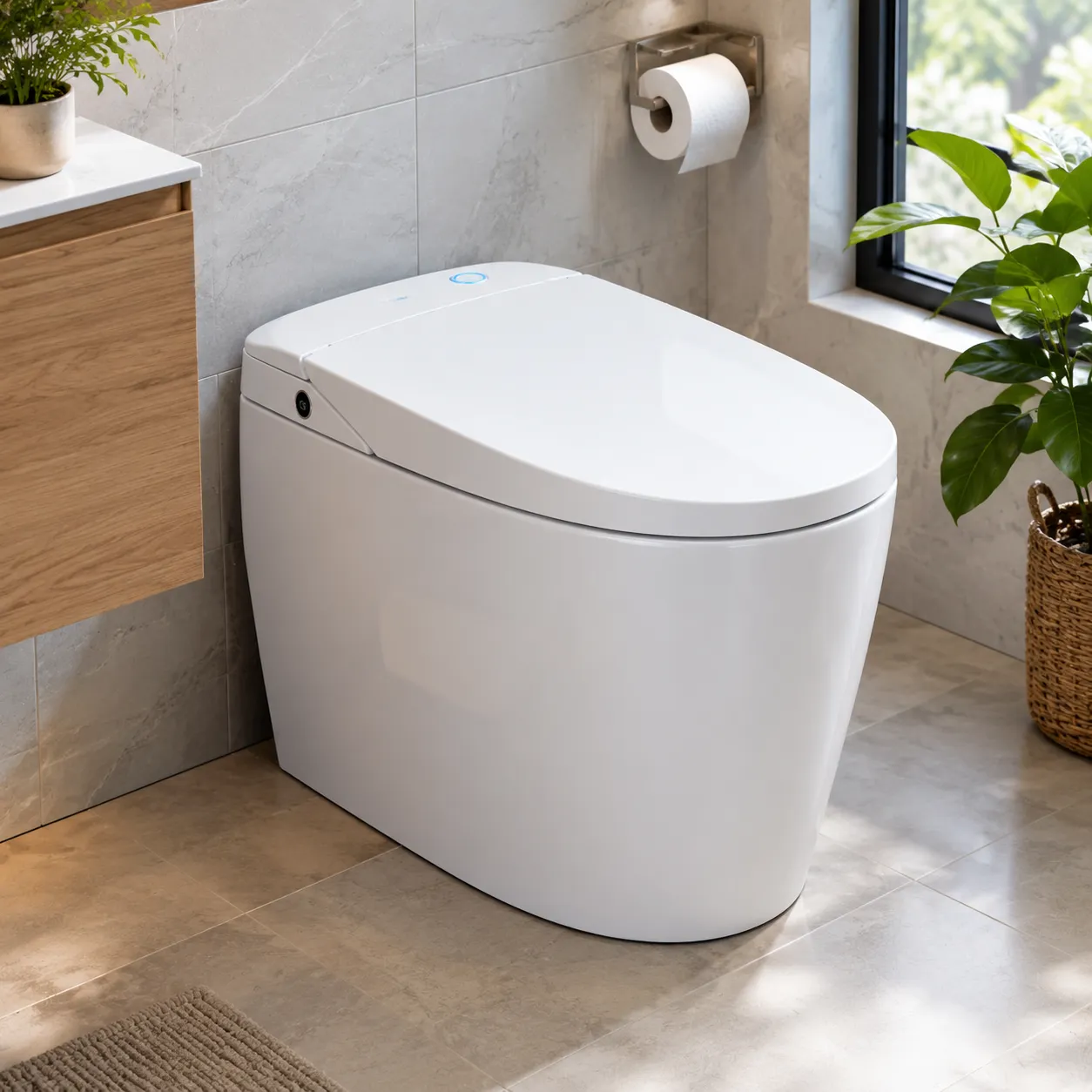
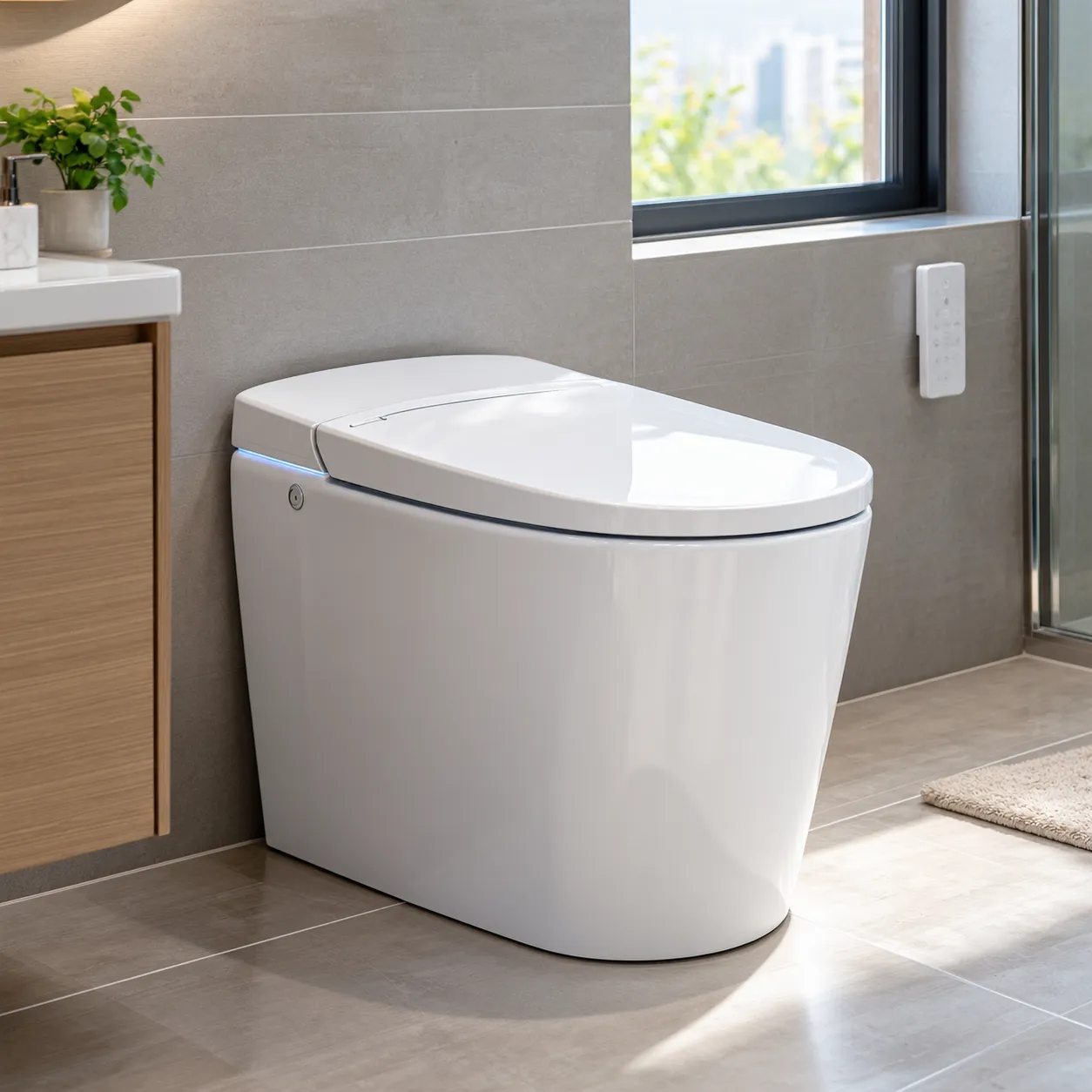
A modern self cleaning smart toilet replaces harsh manual scrubbing with an integrated, multi-stage sanitizing cycle. We design and evaluate these units to tackle bacteria, stains, and waste automatically after every single use through synchronized mechanical and chemical-free actions.
Electrolyzed Water and Pre-Misting Technology
- Pre-mist activation: When a user approaches, the system sprays a fine mist over the dry bowl surface. A wet bowl reduces waste adhesion by up to 80%.
- Electrolyzed water treatment: An electrolyzed water toilet transforms standard tap water into a mild, natural sanitizing solution (hypochlorous acid) to sanitize the bowl and wand without abrasive additives.
- Continuous clean cycle: The solution naturally reverts to standard tap water after sanitizing, keeping the system safe and eco-friendly.
UV Light Wand and Bowl Sterilization
Integrated uv light sanitization runs deep-cleaning cycles when the toilet is idle:
- Bidet wand sterilization: The self sanitizing bidet wand retracts into an enclosed chamber where a UV-C lamp eliminates 99.9% of lingering bacteria.
- Interior surface exposure: UV rays project across the bowl interior, neutralizing microscopic pathogens and preventing mold development.
Hydrophilic Ceramic Glaze and Non-Stick Coatings
The physical foundation of an automatic cleaning toilet relies on ultra-smooth surface engineering:
- Micro-gap elimination: Standard porcelain contains microscopic pores where waste clings. A specialized hydrophilic ceramic glaze creates an ultra-smooth, glass-like finish.
- Water-attracting barrier: Hydrophilic properties spread water evenly across the entire surface, allowing standard water pressure to sweep away residue without sticking.
Automatic Sanitizing Foam Shield Barriers
- Splash prevention: The system dispenses a dense micro-bubble foam layer over the standing water trap before use.
- Aerosol suppression: The foam barrier blocks bad odors and prevents bacteria from aerosolizing during high-velocity flushes.
- Waterline lubrication: As the foam dissipates, it coats the ceramic to stop mineral rings and residue from bonding to the bowl.
Key Self Cleaning Features to Look For in a Smart Toilet
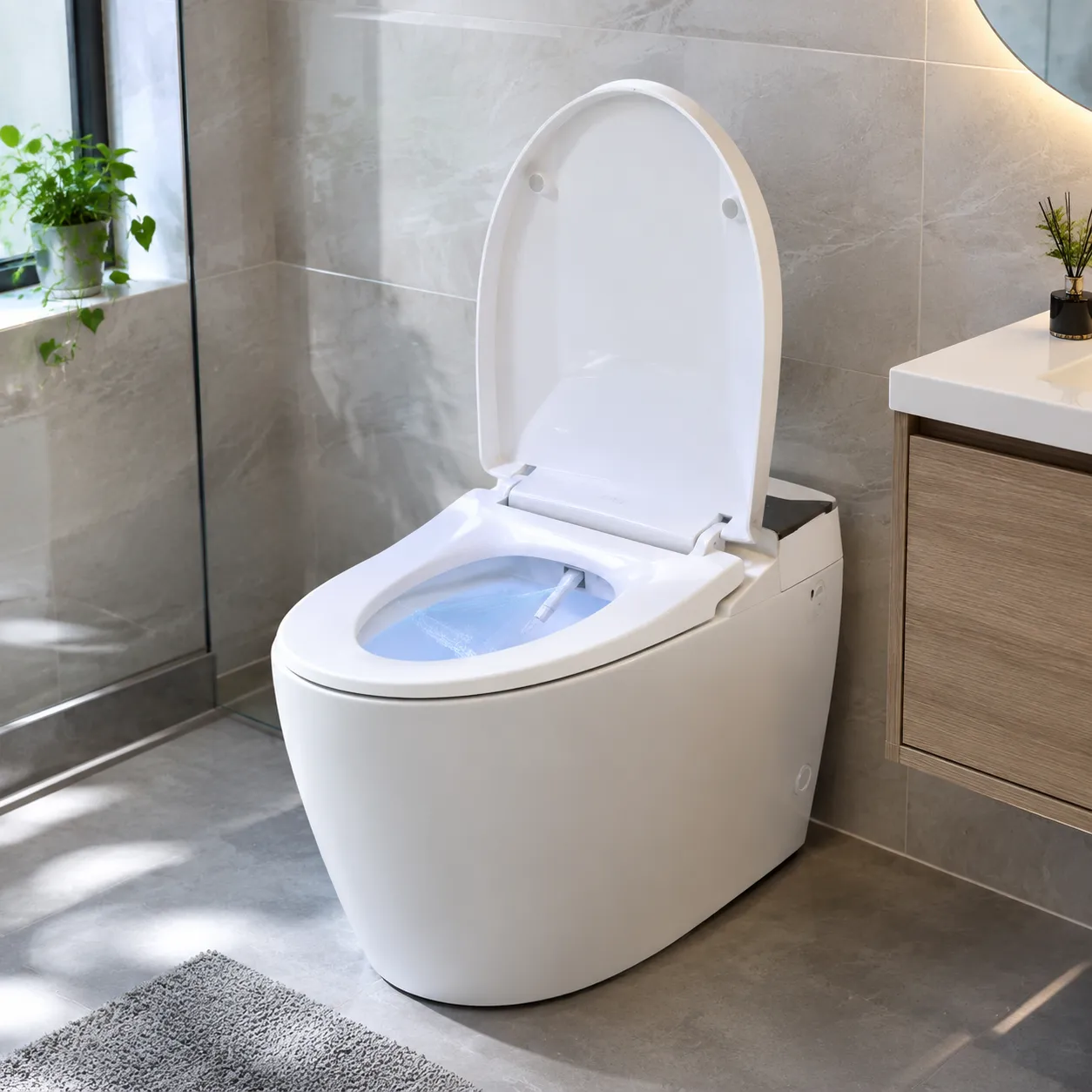
When we evaluate a self cleaning smart toilet, we focus on engineering that actively eliminates manual scrubbing while maintaining total daily hygiene. These are the critical self-maintenance features every reliable model must have.
Self-Sanitizing Bidet Nozzles and Wands
A truly clean smart toilet starts with the wash wand. We recommend looking for systems that combine physical rinsing with active sterilization:
- Automatic Pre- and Post-Rinse: The nozzle purges clean water over itself before and after every single extension.
- UV Light Sanitization: Integrated UV-C lights target the retracted wand between uses to neutralize lingering bacteria.
- Antimicrobial Materials: High-grade stainless steel or specialized antibacterial composite wands prevent mineral adhesion and bacterial growth.
Hands Free Auto Flush Toilet Mechanisms
Touchless operation removes surface contamination risks entirely:
- Off-Seat Sensor Flushing: Detects when a user stands up and triggers an automatic, calibrated flush without physical contact.
- Foot-Kick / Proximity Sensors: Allows manual triggering via a gentle foot tap near the base, ideal for quick visits.
- Dual-Flush Optimization: Automatically differentiates between liquid and solid waste to conserve water while delivering maximum bowl clearance.
Rimless Smart Toilet Bowl Design
Traditional toilet rims conceal deep crevices where mold, bacteria, and limescale thrive out of reach.
- Zero Dirt Traps: A rimless bowl features smooth, open curves with no hidden overhangs.
- Tornado/Cyclonic Flushing: Pressurized water jets create a high-velocity centrifugal swirl that scrubs the entire interior surface thoroughly with each cycle.
- Effortless Maintenance: Any residual spots wipe away in seconds without specialized angled brushes.
Built-In Odor Deodorizing Toilet System
A clean toilet should also keep the surrounding air fresh without artificial chemical sprays:
- Automatic Intake Fans: Low-noise fans trigger upon seating to draw air directly from the bowl before odors escape into the room.
- Activated Carbon Filtration: Air passes through an active carbon filter that chemically traps and neutralizes odor particles continuously.
- Long-Life Cartridges: High-efficiency filters provide years of continuous odor control before requiring simple slide-out replacements.
Essential Self-Cleaning Features Overview
| Feature | Core Mechanism | Primary Maintenance Benefit |
|---|---|---|
| Self-Sanitizing Wand | Water purge + UV sterilization | Prevents bacterial transfer and scale buildup |
| Hands-Free Auto Flush | Motion and seat-occupancy sensors | Eliminates touch points and prevents unflushed waste |
| Rimless Bowl Design | Smooth contour + cyclonic water path | Leaves zero hidden crevices for mineral or mold buildup |
| Carbon Deodorizer | Automated suction + activated carbon filter | Neutralizes odors immediately at the source |
Must-Have Smart Comfort and Luxury Additions
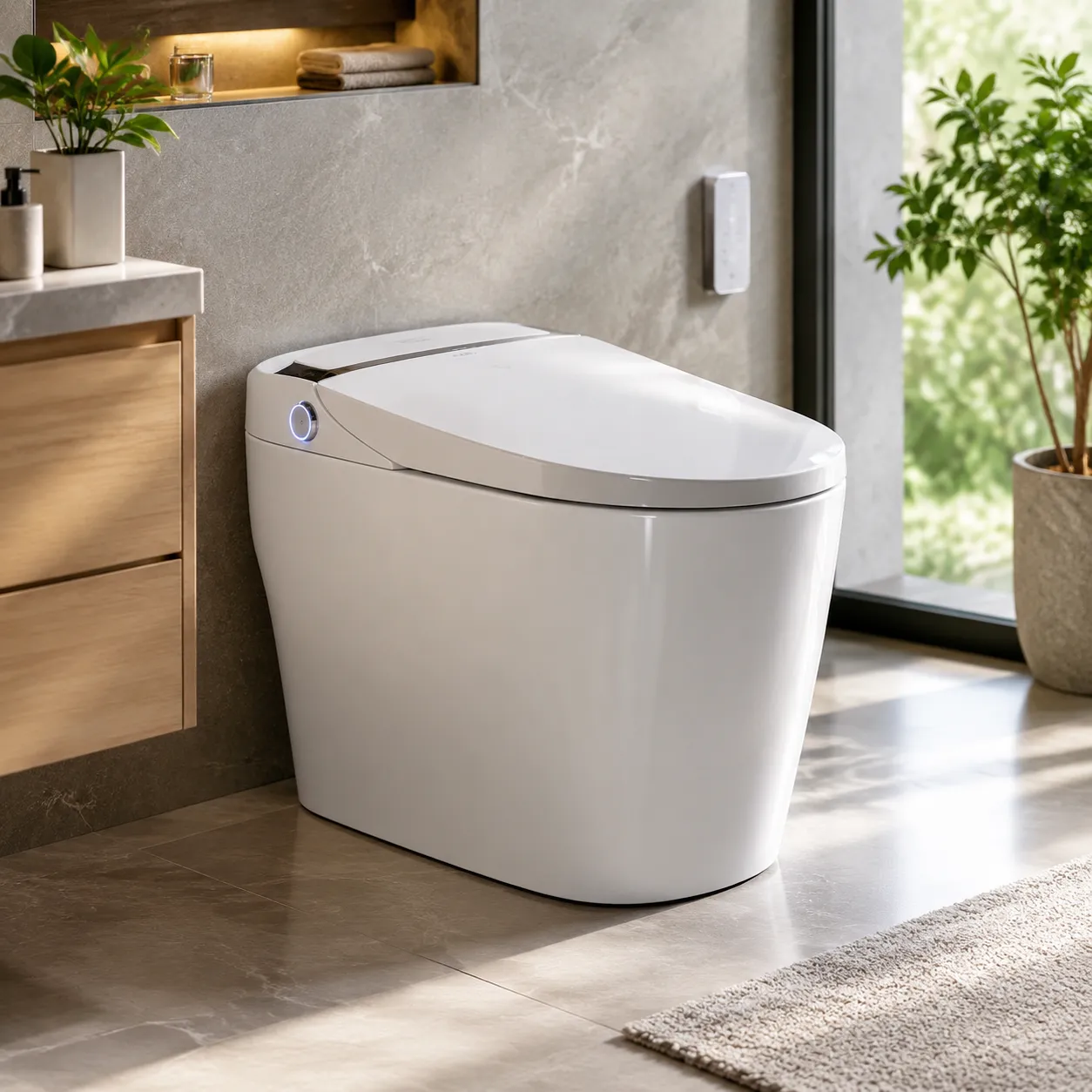
While automated sanitization saves cleaning time, daily comfort is what elevates an integrated bidet toilet into an essential upgrade. We focus on four core luxury additions that turn a standard bathroom routine into a high-end experience.
Instant Heated Seat with Temperature Presets
Stepping onto cold porcelain is a thing of the past. A quality heated seat smart toilet uses an energy-efficient heating element to maintain consistent, gentle warmth.
- Multi-Level Temperature Control: Set your preferred warmth level between low, medium, and high.
- Smart Eco Modes: The seat learns household usage habits and lowers the temperature during idle hours to save power.
- Instant Surface Warming: Fast-acting heating elements eliminate waiting time during cold mornings.
Adjustable Warm Water Wash Modes
Modern smart bidet systems provide targeted cleaning with zero guesswork. Tankless, on-demand heating modules deliver a continuous stream of warm water without running cold.
- Rear and Front Feminine Wash: Dedicated spray angles ensure precise, hygienic cleaning.
- Oscillating Massage Spray: The nozzle moves back and forth to cover a wider area while stimulating blood flow.
- Custom Water Pressure Control: Multi-stage pressure settings let you dial in the exact intensity you want, from a gentle rinse to a thorough cleanse.
| Feature | Primary Benefit |
|---|---|
| Instant Water Heating | Endless warm water without the bulky reservoir tank |
| Pulsating / Massage Mode | Enhanced comfort and improved personal hygiene |
| Adjustable Wand Position | Accurate nozzle positioning for every body type |
Warm Air Dryer with Speed Settings
A built-in warm air dryer drastically cuts down or completely eliminates the need for toilet paper, protecting sensitive skin and reducing household paper waste.
- Adjustable Air Temperatures: Multiple heat settings allow you to match the airflow to your skin's sensitivity.
- Variable Fan Speeds: High-velocity settings ensure faster drying times.
- Directional Air Ducts: Angled vents distribute air evenly for maximum coverage.
Motion-Activated Auto Open and Close Lid
A truly touchless bathroom setup relies on integrated sensors that manage the seat and lid without physical contact.
- Proximity Detection: Built-in radar or infrared sensors detect your approach, lifting the lid automatically.
- Foot Kick Sensors: A gentle tap at the base of the toilet raises the seat ring for male users without bending down.
- Automatic Departure Closing: The auto open close smart toilet lowers the seat and lid once you step away, keeping odors trapped and maintaining a neat appearance.
Pros and Cons of Self Cleaning Smart Toilets
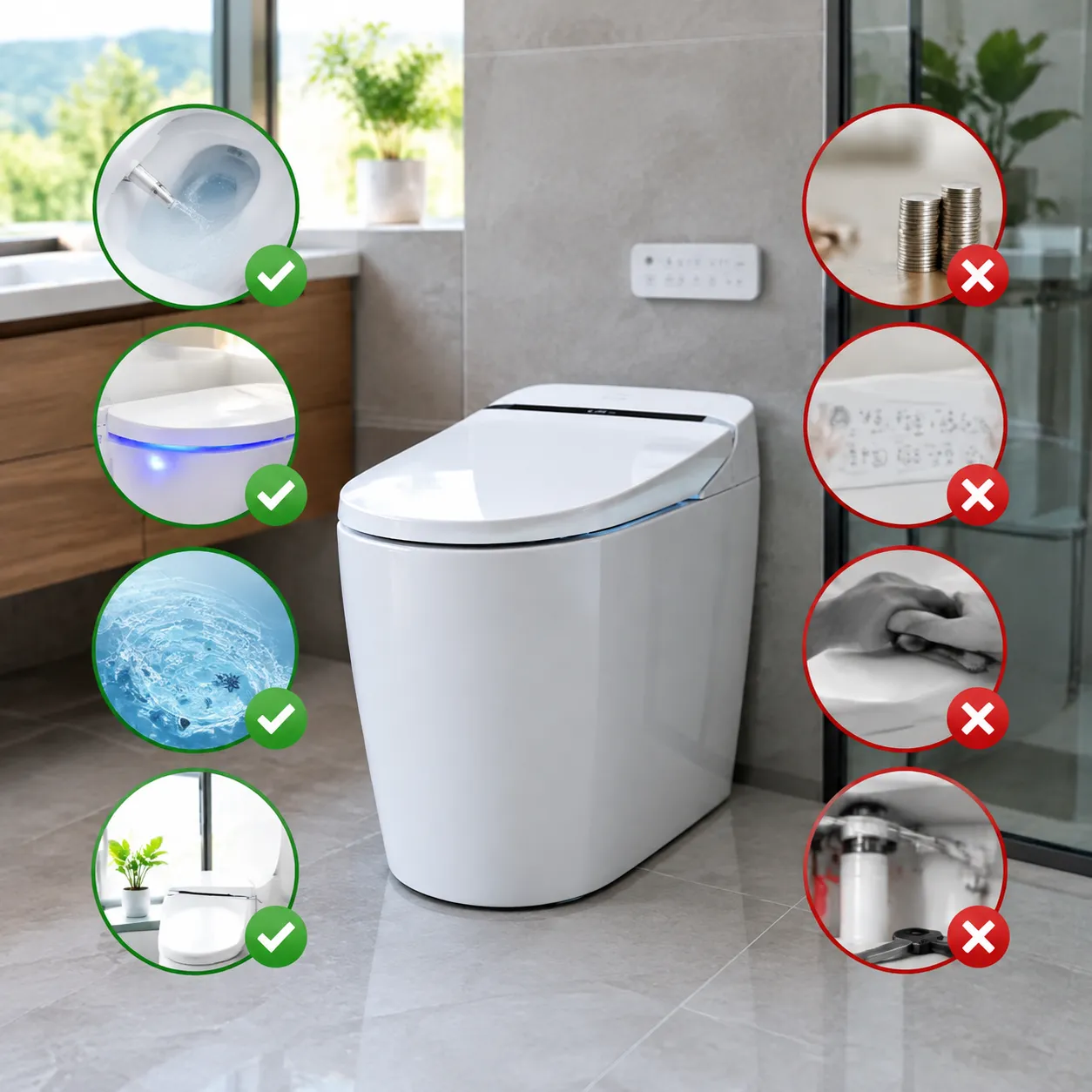
Investing in a self cleaning smart toilet upgrades daily personal hygiene while cutting bathroom maintenance down to the bare minimum. We evaluated the core practical benefits alongside the real-world trade-offs to help you decide if the switch makes sense for your home.
Major Benefits: Superior Hygiene and Less Maintenance
- Automated Sanitization: Built-in electrolyzed water systems and UV sterilizers actively eliminate bacteria and bowl staining after every use.
- Significant Time Savings: Eliminates the need for frequent manual scrubbing and deep cleaning sessions.
- Reduced Chemical Usage: Hydrophilic bowl coatings and automated misting prevent waste adhesion, drastically reducing reliance on harsh chemical cleaners and bleaches.
- Hands-Free Operation: Sensor-activated lids and touchless flushing minimize contact with high-touch bathroom surfaces.
Potential Downsides: Power Demands and Initial Cost
- Higher Purchase Price: Integrated smart units carry a higher upfront cost than standard ceramic toilets.
- Electrical Requirements: Requires a dedicated GFCI power outlet installed adjacent to the toilet fixture.
- Component Upkeep: Water filters and descaling mechanisms require periodic replacement to maintain peak performance in hard water areas.
| Evaluation Metric | Self Cleaning Smart Toilet | Standard Porcelain Toilet |
|---|---|---|
| Cleaning Effort | Automated self-rinsing and UV sanitizing | Requires weekly manual scrubbing |
| Chemical Cleaner Dependency | Extremely low (water-based sanitization) | High (bleach, acid bowl cleaners) |
| Power Dependency | Requires dedicated GFCI electrical line | Zero electricity required |
| Odor Control | Built-in active carbon filtration | Passive room ventilation only |
| Initial Investment | Moderate to premium | Low to moderate |
Are Self-Cleaning Smart Toilets Worth the Price?
For most homeowners, yes. The combination of daily touch-free convenience, automated odor control, and a consistently sanitized bowl delivers substantial long-term value. While the initial equipment and wiring costs are higher, the daily comfort and elimination of routine scrubbing make an integrated bidet toilet a dependable, high-yield bathroom upgrade.
How to Choose the Right Self Cleaning Smart Toilet
Choosing the right self cleaning smart toilet requires checking your bathroom's layout, plumbing compatibility, and electrical access before buying. We break down the exact specifications you need to verify to ensure a seamless installation.
Bathroom Rough-in Size and Space Dimensions
- Standard Rough-in: Measure the distance from the finished back wall (not the baseboard) to the center of the floor drain bolts. The standard size is 12 inches, though some older bathrooms require a 10-inch or 14-inch configuration.
- Side and Front Clearance: Maintain at least 15 inches from the center line of the toilet to side walls or vanities, and at least 21 to 24 inches of clear space in front of the bowl for proper sensor operation and legroom.
Dedicated Electrical Outlet (GFCI) and Voltage Requirements
- GFCI Protection: An automatic cleaning toilet requires a standard 110V–120V dedicated GFCI outlet to ensure safe operation near water lines.
- Outlet Placement: Install the receptacle roughly 6 to 12 inches off the floor and within 3 feet of the unit, preferably on the side where the power cord exits to avoid visible cables.
Water Line Pressure and Plumbing Compatibility
- Operating Pressure: Direct-line tankless smart toilet models typically require a minimum dynamic water pressure of 20 to 35 PSI (0.14–0.24 MPa) to flush effectively.
- Low-Pressure Solutions: If your residential water pressure is lower than average, select an integrated unit with a built-in pump-assisted flush system to prevent clogs.
- Shutoff Valve: Check that your existing angle stop is compatible with standard 1/2-inch or 3/8-inch supply lines.
Bidet Seat Attachment vs. All-in-One Integrated Smart Toilet
| Feature | Add-On Bidet Seat | Integrated Smart Toilet |
|---|---|---|
| Installation Scope | Retrofits onto existing ceramic bowl | Complete toilet and plumbing replacement |
| Design & Aesthetics | Bulky profile with exposed lines | Sleek, tankless, fully skirted design |
| Self-Cleaning Reach | Limited to nozzle rinse and basic mist | Full-bowl pre-mist, foam shield, UV wand sanitizing |
| Flushing Mechanism | Manual existing flush | Hands-free automatic foot and sensor flush |
| Upfront Cost | Lower initial investment | Higher initial investment |
Installation and Maintenance Tips for a Self Cleaning Smart Toilet
DIY Installation vs. Hiring a Plumber
Installing an integrated self cleaning smart toilet is manageable for experienced DIYers, but it involves both plumbing and electrical work.
- DIY Installation Requirements:
- Water Supply: Connect the included T-valve and braided hose directly to your shut-off valve.
- Floor Flange: Ensure your 12-inch rough-in is clean, level, and fitted with a new wax ring or rubber seal.
- Power Source: Plug the unit directly into an adjacent GFCI outlet.
- When to Call a Professional:
- If your bathroom lacks an outlet within 3 to 4 feet of the toilet, hire a licensed electrician to install a dedicated GFCI outlet.
- If your shut-off valve leaks or your floor flange sits below finished floor level, a licensed plumber will ensure a watertight fit without risking structural leaks.
Water Filter Replacement and Bidet Nozzle Descaling
To keep the internal pump and self-sanitizing sprayers functioning properly, routine upkeep is essential:
- Replace Inline Water Filters: Change the external inline sediment filter every 4 to 6 months. This prevents sand, rust, and mineral deposits from clogging the internal valves.
- Bidet Nozzle Descaling:
- Activate the manual nozzle-extension mode via the remote or side panel.
- Wipe the wand with a soft cloth dipped in a 1:1 solution of warm water and distilled white vinegar.
- Use a soft-bristled toothbrush to gently clear mineral scale from the spray apertures.
- Retract the wand to trigger the automated self sanitizing bidet wand rinse cycle.
Safe Cleaning Solutions for Specialized Bowl Coatings
Hydrophilic ceramic glazes and UV-treated surfaces prevent waste adhesion, but harsh chemicals will permanently strip these non-stick barriers.
| Safe to Use | Avoid Completely |
|---|---|
| Mild, pH-neutral liquid dish soap | Bleach and chlorine-based toilet cleaners |
| Diluted white vinegar (for spot mineral removal) | Abrasive scouring powders and creams |
| Soft microfiber cloths and non-scratch silicone wands | Stiff nylon brushes, wire brushes, or pumice stones |
| Warm water wipe-downs | In-tank chemical drop-in pucks or blue tablets |
Backup Battery Operation During Power Outages
Because an automatic cleaning toilet relies on electric solenoid valves rather than standard gravity flapper systems, power loss requires a backup plan:
- DC Battery Backup: Most units feature an underside battery compartment (typically powered by 9V or AA batteries) designed solely to power the flush mechanism during blackouts.
- Manual Side Flush: Look for a physical mechanical button on the side of the ceramic base that allows manual flushing without electrical power.
- External Emergency Flush Line: Some tankless models include a manual pull cord or direct lever located behind the service access panel.
Frequently Asked Questions About Self Cleaning Smart Toilets
Do You Ever Have to Scrub a Self-Cleaning Smart Toilet?
You rarely need to scrub, but an occasional light wipe-down is still necessary. While a self cleaning smart toilet handles daily bowl sanitization, mineral rings, and waste residue using automated pre-misting and electrolyzed water, it cannot wipe away exterior dust or deep waterline sediment.
- Routine maintenance: The automatic cleaning toilet system handles over 90% of regular bowl cleaning.
- Manual cleaning: We recommend wiping the exterior and rim once or twice a month with a soft microfiber cloth and mild, neutral soap.
- What to avoid: Never use abrasive scrub pads, bleach, or harsh chemical cleaners, as they strip the protective non-stick ceramic glaze.
How Long Do the Self-Cleaning Components and UV Lights Last?
Most core self-cleaning mechanisms are built to match the operating life of an integrated bidet toilet, typically lasting between 7 to 10 years under normal residential use.
- UV Light Sanitizer: Solid-state UV-C LEDs last roughly 15,000 to 20,000 hours of active cycle time. Because they run only in short intervals after use, they rarely burn out before the toilet itself reaches the end of its lifecycle.
- Electrolyzed Water Generators: The internal electrolysis cells generally function reliably for 5 to 8 years depending on water quality.
- Self-Sanitizing Bidet Wand: Motorized stainless steel or antibacterial nozzles are rated for thousands of wash cycles, provided you keep them free of mineral scaling.
How Much Electricity Does a Smart Toilet Use per Month?
Average smart toilet power consumption ranges between 15 kWh and 30 kWh per month, which typically adds $2 to $5 to an electric bill depending on regional energy rates.
| Component / Mode | Power Draw | Operational Impact |
|---|---|---|
| Standby Mode | 2W – 4W | Minimal baseline energy draw |
| Heated Seat (Active) | 40W – 60W | Moderate; lower with eco-mode active |
| Instant Water Heater | 1,000W – 1,400W | High wattage, but runs for only 30–60 seconds per use |
| UV Sanitization Cycle | 5W – 10W | Operates for 2–3 minutes after flushing |
Using the built-in energy saver mode lowers seat temperature during inactive hours and drastically cuts power consumption.
Can Hard Water Ruin a Self-Cleaning Bidet Toilet?
Yes, hard water is the primary cause of premature wear in any smart bidet toilet. High concentrations of calcium and magnesium cause mineral buildup inside the internal heater, flush valves, and bidet wand.
- Nozzle Clogging: Mineral deposits restrict spray patterns and prevent the wand from fully retracting.
- Internal Scaling: Hard scale reduces water heating efficiency and can trigger flow-sensor errors.
- The Solution: We advise installing an inexpensive inline sediment/carbon water filter directly on the supply line and performing periodic bidet nozzle descaling with a diluted citric acid solution.